








The UK government is facing mounting pressure to clarify when it will provide the public with free access to data regarding the ownership of large landholdings across England and Wales. Despite initial promises to dismantle the paywall surrounding the Land Registry, officials have yet to establish a concrete timeline, leaving environmentalists and transparency advocates frustrated by the lack of progress.
In March, the then-secretary of state for the environment, Emma Reynolds, announced that the government would lift the paywall on significant portions of the Land Registry. The initiative was positioned as a cornerstone of the broader “land use framework,” intended to help reconcile competing demands for housing, renewable energy, and nature restoration. The Department for Environment, Food and Rural Affairs (Defra) pledged to collaborate with HM Land Registry to provide spatial data for larger properties, while specifically exempting private homeowners to protect personal privacy.
However, months later, the project appears to be stalling. When asked for a firm date, government officials have been unable to provide one, citing the independent status of the Land Registry—an “arm’s length body” that reports to the Ministry of Housing, Communities and Local Government.
The Land Registry has confirmed that its plans are currently at a “very early stage.” In a statement issued in July, a spokesperson for the department indicated that any release of data would be subject to further public consultations to determine the format, scope, and accessibility of the information. By August, the registry was still unable to clarify even basic parameters, such as which specific types of land would be covered or who would be eligible to access the information.
For environmental campaigners, this delay represents a missed opportunity for accountability. Guy Shrubsole, author of Who Owns England? and a leading voice in the push for land reform, described the current lack of transparency as unacceptable.
“It’s ridiculous that in the 21st century the public are kept in the dark about who owns the land beneath our feet,” Shrubsole said. “This is data that will help councils build more homes, expose who’s polluting our rivers, and help communities restore nature.”
The call for transparency has gained political weight following the leadership transition this summer, which saw Andy Burnham assume the role of prime minister. Burnham has placed “localism” and “place-first politics” at the heart of his legislative agenda. Advocates argue that an open, accessible registry of land ownership is an essential tool for local authorities and communities to exercise the agency that Burnham has promised to restore.
“Burnham has come to power promising place-first politics, and to bring unaccountable government agencies to heel,” Shrubsole added. “Who owns our land underpins any politics of place, and it’s high time the Land Registry was made to reveal this profoundly important information.”
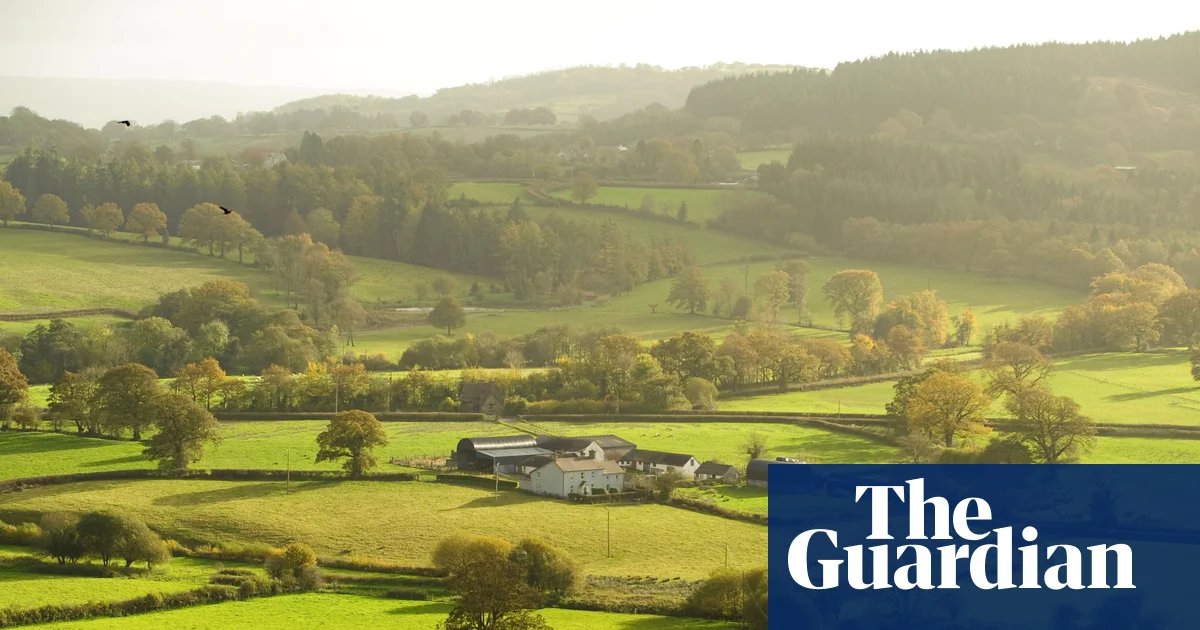
The opacity of the current system has tangible consequences for the environment. Proponents of the policy argue that without knowing who owns specific parcels—such as grouse moors, peatlands, or river catchments—it is nearly impossible to hold private entities accountable for land degradation, water pollution, or the failure to implement essential climate mitigation strategies.
In response to inquiries regarding the delays, a Defra spokesperson maintained that the government remains committed to its original pledge. “We are improving the transparency of land ownership data and will provide free access to land ownership data for the vast majority of England, as we committed to in our land use framework,” the spokesperson said. “We are taking forward this commitment and will share further details as this work continues.”
For now, the public is left waiting for an update, which the Land Registry expects to provide early next year. Until then, the details of who controls the vast swathes of England and Wales—and the power they hold over its ecological future—remain hidden behind a digital wall.
Disclaimer: This content is auto-generated for informational purposes only.
Source: Read Original News