








IAEA Endorses Pakistan’s Civilian Nuclear Security: A Shift from the ‘Nuclear Walmart’ Era?
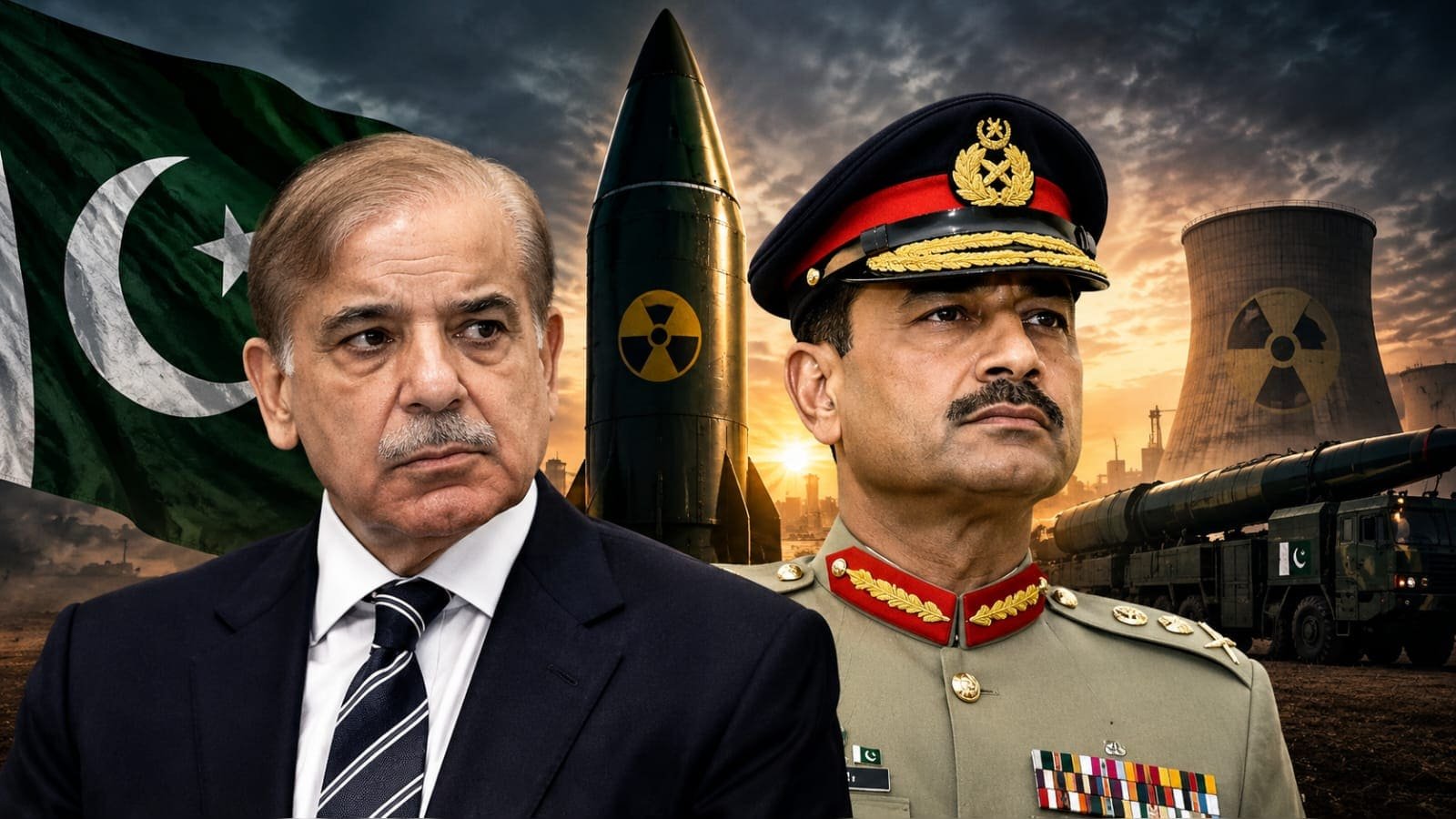
Nearly two decades after Pakistan’s global reputation was shattered by revelations that its premier nuclear scientist, Dr. Abdul Qadeer Khan, had operated a clandestine network selling sensitive atomic technology, the country has received a significant endorsement from the International Atomic Energy Agency (IAEA).
The Vienna-based nuclear watchdog’s International Physical Protection Advisory Service (IPPAS) recently concluded its first-ever review of Pakistan’s nuclear security infrastructure. The mission, which spanned 12 days in late 2026, reported that Pakistan has established a “robust nuclear security regime” for the protection of its nuclear materials and civilian facilities. The IAEA further noted that these safety protocols are being actively implemented and continuously bolstered through regular capacity-building initiatives.
A Legacy of Proliferation
For years, the “AQ Khan” name was synonymous with a sprawling illicit enterprise that supplied uranium enrichment technology and centrifuge designs to Iran, Libya, and North Korea. The scandal prompted former CIA Director George Tenet to label Pakistan as a “Nuclear Walmart,” highlighting a global marketplace where sensitive expertise was allegedly available to the highest bidder.
While Pakistan maintained that Khan acted without state authorization, the damage to its international standing was profound. The shadow of this era has remained a constant feature in discussions regarding Pakistan’s nuclear ambitions, especially as it maintains one of the world’s fastest-growing arsenals, estimated to hold approximately 170 warheads.
Indian Experts Urge Caution
In New Delhi, the IAEA’s positive assessment has been met with a mixture of skepticism and critical scrutiny. Indian strategic experts argue that the report must be viewed through a narrow lens, noting that the scope of the IAEA mission was strictly limited to civilian nuclear sites.
“International oversight is a measure of reassurance for the global community concerned about the security of nuclear material, particularly given the historical context,” said one leading disarmament expert.
Former Indian diplomat Rakesh Sood, who previously served as the Prime Minister’s Special Envoy for Disarmament and Non-Proliferation, was more pointed in his assessment. “Pakistan clearly seeks these international certificates for well-known reasons. We must not allow the ‘Nuclear Walmart’ chapter of history to be forgotten,” Sood remarked, emphasizing the enduring lack of transparency regarding Pakistan’s military-grade nuclear program.
Scope of the Review
The IPPAS mission focused exclusively on civilian infrastructure, including a visit to the Karachi Nuclear Power Generating Station. The review team—comprising experts from China, Russia, Romania, and Slovakia—evaluated Pakistan’s legislative and regulatory framework as managed by the Pakistan Nuclear Regulatory Authority.
Crucially, the mission did not—and could not—inspect Pakistan’s strategic military nuclear facilities. As a non-signatory to the Nuclear Non-Proliferation Treaty (NPT) as a nuclear-armed state, Pakistan’s military assets remain outside the purview of standard IAEA safeguards. This critical distinction remains the focal point of the regional debate.
While supporters of the review argue that peer-reviewed security practices represent a step toward global stability, critics maintain that until the opacity surrounding the military’s nuclear infrastructure is addressed, international endorsements of civilian sites offer only a partial picture of the security landscape in South Asia. For India, the findings serve as a technical update rather than an erasure of the deep-seated strategic concerns that define the nuclear rivalry between the two neighbors.
Disclaimer: This content is auto-generated for informational purposes only.
Source: Read Original News