






As global demand for metals like copper and iron quadruples over the last half-century, the environmental footprint of the extraction industry is increasingly threatening the world’s oceans. A new study published in Earth-Science Reviews warns that climate change acts as a force multiplier for mining-related pollution, with rising temperatures and volatile weather patterns significantly increasing the risk of toxic waste leakage into marine environments.
Researchers identified that approximately 293,000 kilometers (182,000 miles) of global coastline are potentially vulnerable to contamination from metal mines and their associated tailings storage facilities. By analyzing data on 4,094 active mines, 28,563 inactive sites, and 1,427 waste storage facilities, the study highlights six high-risk hotspots: North America, South America, Northern Europe, the Mediterranean, East Asia, and Australia.
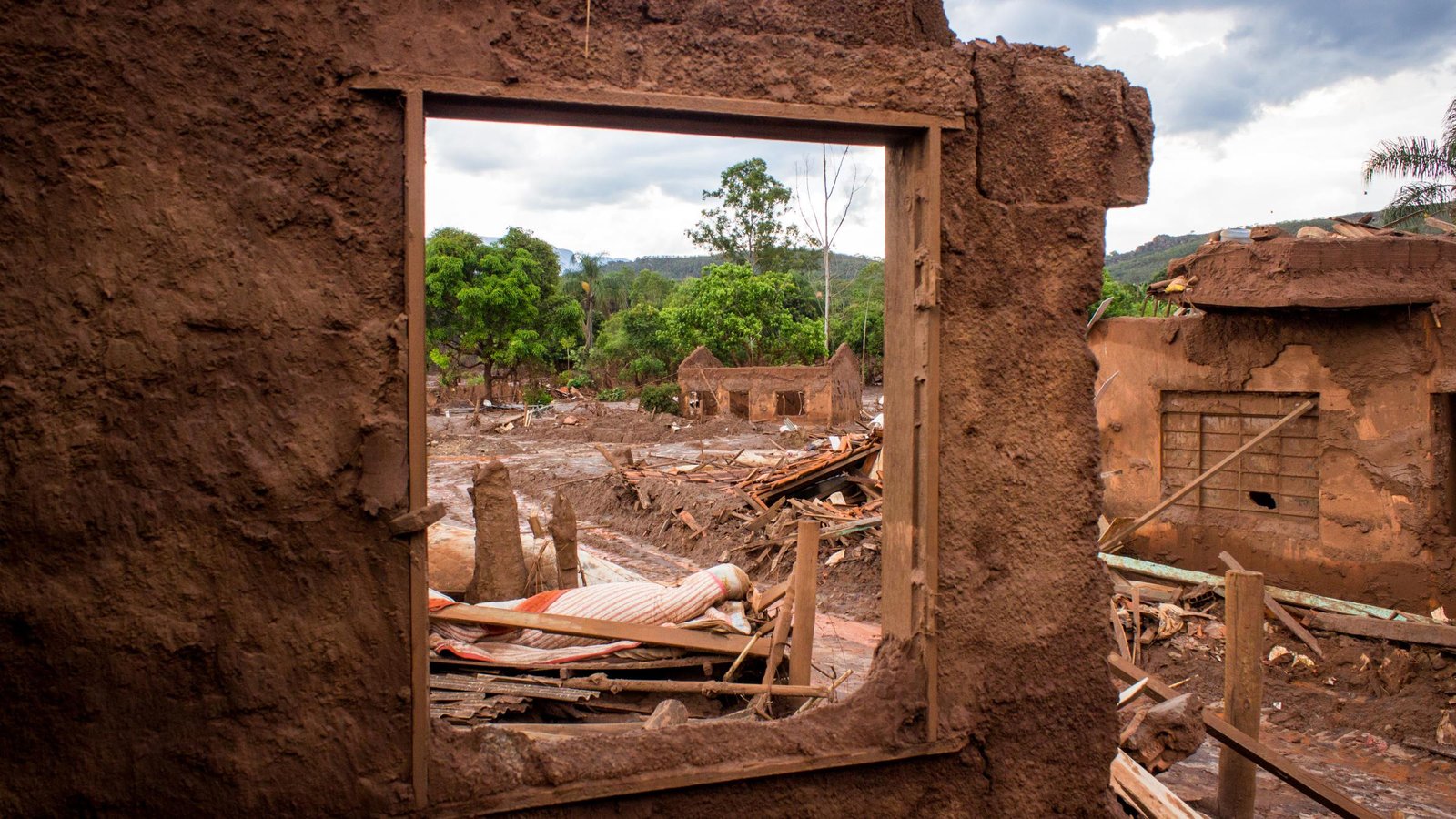
While catastrophic tailings dam failures—such as the 2015 Mariana disaster in Brazil, which sent millions of cubic meters of toxic slurry into the Atlantic—capture public attention, the study suggests that the slow, chronic release of waste from inactive, “legacy” mines represents a more pervasive global challenge. Because these sites often lack active management and long-term funding for remediation, toxic metals can erode into watersheds over decades or even centuries.
Climate change is expected to exacerbate this migration of pollutants. Using worst-case climate modeling, researchers found that by the end of the century, temperate regions will likely experience significantly warmer summers, leading to increased thawing and erosion. In places like the Canadian Yukon, such conditions have already compromised infrastructure, with tailings dumps failing due to the melting of permafrost that was once considered stable.
The implications for the marine environment are profound. As sea levels rise by as much as 3 to 5 meters in some regions, contaminated land currently situated near the coast may be inundated, allowing seawater to mobilize stored heavy metals and chemicals. Once these substances enter the marine food web, they pose serious risks to both biodiversity and the millions of people who depend on the ocean for food and economic stability.
“This is not just potentially an environmental pollution issue,” said Tristan McKenzie, a professor of coastal hydrology and chemistry at University College London, who was not involved in the study. “This is also a health issue. This is a food quality issue.”
The researchers emphasize that proactive management is essential. Suggested mitigation strategies include satellite monitoring to identify at-risk dams, as well as on-the-ground interventions like stabilizing sediments, dredging contaminated areas, or using phytoremediation—planting vegetation like mangroves or marsh grasses that can draw metals out of the water.
However, political and financial barriers remain significant hurdles. Many legacy mines lack a corporate parent to hold accountable for cleanup costs, prompting calls for a global mining legacy fund. Beyond site-specific remediation, experts suggest that reducing the overarching demand for virgin metals and strictly enforcing industry best practices are the only ways to limit the long-term impact on coastal ecosystems.
As lead author Adam Sproson of the U.K.’s National Oceanography Centre noted, the technical solutions to contain this waste already exist. The challenge lies in the scale of the legacy burden and the shifting climate landscape that threatens to undo existing containment efforts. As Jan Morrill of the nonprofit Earthworks summarized, the industry remains caught in an inherent dilemma: “There’s no mining without risk, and there’s no mining without pollution.”
Disclaimer: This content is auto-generated for informational purposes only.
Source: Read Original News