






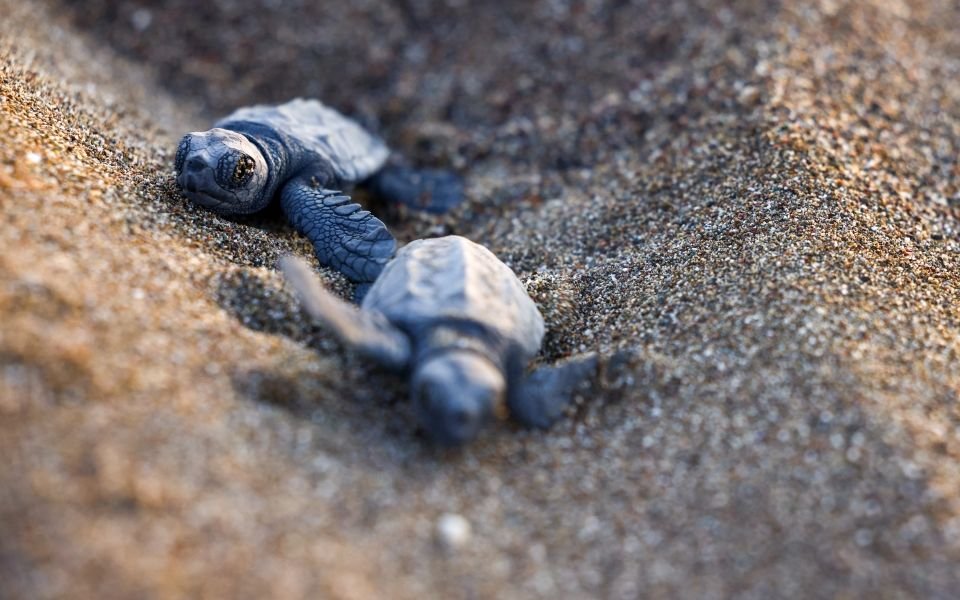
Under the soft glow of a moonlit sky on Turkey’s Iztuzu Beach, a critical biological drama is unfolding. Tiny loggerhead turtle hatchlings, driven by instinct, scramble across the sand and into the Mediterranean Sea. While this ancient cycle has persisted for millennia, scientists warn that it is now being fundamentally reshaped by a warming climate, turning the species into a silent barometer for the health of the entire basin.
As Turkey prepares to host the UN’s COP31 climate summit in Antalya next month, the loggerhead has been chosen as the event’s official mascot. The selection is far from symbolic; it serves as a stark reminder that the Mediterranean is warming at an alarming rate, a trend observed consistently since the early 1980s.
For biologists like Yakup Kaska, who leads conservation efforts at the 4-km Iztuzu sandbar, the turtles represent an urgent warning system. Because sea turtles rely on both terrestrial beaches to nest and marine waters to feed, they reflect environmental stressors across two distinct ecosystems. Their vulnerability is particularly tied to the physics of their reproduction: the sex of a turtle hatchling is determined by the temperature of the sand in which the egg is buried.
Research is painting a concerning picture of a gender imbalance. A five-year study conducted at Patara beach by ecology lecturer Ayfer Sirin found that warming sand temperatures are driving a significant shift toward female-dominated populations. Current estimates suggest that 70% to 90% of hatchlings in many Mediterranean colonies are now female. Scientists caution that this demographic skew poses a long-term threat to the species’ reproductive viability, as a shortage of males could destabilize populations. Furthermore, nest temperatures exceeding 30 degrees Celsius (86 degrees Fahrenheit) have been linked to higher rates of embryo mortality, creating a dual threat to the survival of the next generation.
The nesting sites at Iztuzu, which see approximately 30,000 hatchlings enter the sea each season, are just one piece of a much larger, interconnected puzzle. “They might be nesting in Turkey, but they are feeding in Tunisia or the Adriatic,” Kaska noted, emphasizing that the migratory nature of these reptiles demands unprecedented cross-border cooperation. As delegates gather for COP31, the call for unified regional action to restore coastal ecosystems and bolster biodiversity is expected to take center stage.
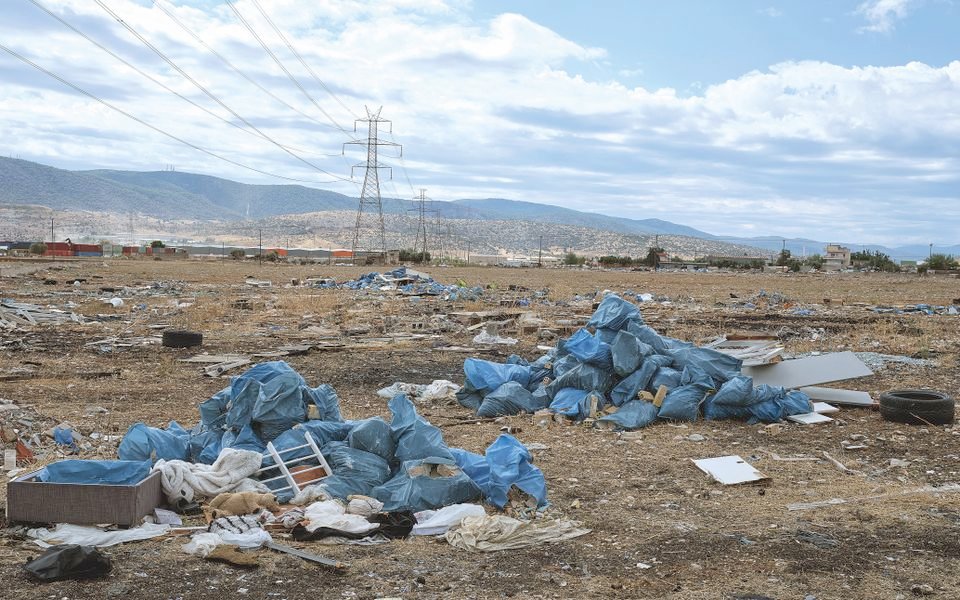
While climate-driven temperature shifts represent a long-term existential threat, hatchlings face immediate, localized hazards the moment they reach the water. Fishing nets, boat propellers, and plastic pollution continue to take a heavy toll. At the nearby Dekamer rehabilitation center, veterinarians treat turtles for injuries caused by human maritime activity. Perhaps most alarming is the ubiquity of plastic waste; Kaska reports that 60% of the turtles brought to the center for treatment contain at least five pieces of plastic in their digestive tracts, a testament to the pervasive nature of marine pollution.
Despite these challenges, the turtles exhibit a remarkable, if limited, capacity for adaptation. Some have begun nesting further north in regions where they were previously uncommon, as shifting temperatures alter the suitability of historical beaches. However, experts like Sirin maintain that behavioral adjustments alone are insufficient to counter the rapid pace of climate change.
As the international community converges on the Turkish coast for COP31, the hatchlings of Iztuzu serve as a living exhibit of the stakes involved. The goal of reaching net-zero emissions by 2053, a target set by the Turkish government, is framed not merely as an economic objective, but as an ecological necessity. As dawn breaks over the Mediterranean, the final hatchlings of the night disappear into the waves, carrying with them the future of a species that is increasingly struggling to keep pace with a changing world.
Disclaimer: This content is auto-generated for informational purposes only.
Source: Read Original News