









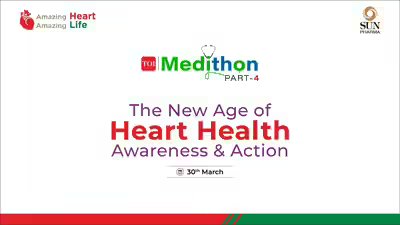
Heart disease is no longer a condition that arrives late in life. Across India, it is showing up earlier, progressing quietly, and striking without clear warning. This shift formed the core of discussions at TOI Cardio Medithon 4, held on March 30 under the theme “The New Age of Heart Health, Awareness and Action.”The conversations moved beyond textbook advice. They focused on real gaps: delayed diagnosis, confusing symptoms, and everyday habits that slowly weaken the heart. What emerged was a clear message. Awareness alone is not enough. Action, consistency, and early attention now matter more than ever.
Prevention: The simple rules people still ignore
The first panel brought attention to something that sounds basic but remains widely neglected, prevention.Dr Anil Dhall, MD, DM (Cardiology), Consultant Cardiologist & Program Leader at The Heart Clinic, Gurugram, summed it up with a practical formula rooted in daily living: right food, right thinking, right behaviour, and timely treatment can reduce the chances of falling ill. Yet he also pointed out a reality many overlook. Genetics can still play a role, even when habits are in check.Dr P. P. Mohammed Musthafa, Chairman & Chief Interventional Cardiologist at Metromed International Cardiac Centre, Calicut, highlighted a critical concern. Very few people experience chest pain as a clear warning. Many confuse heart attack symptoms with gas or acidity, leading to dangerous delays.Dr Pratap Kumar Pradhan, Senior Consultant in Interventional Cardiology at Hi Tech Medical College and Hospital, Bhubaneswar, pointed to three key triggers that continue to drive heart disease, tobacco use, obesity, and a sedentary lifestyle. The advice remained straightforward: control these early and stay consistent with regular tests.The discussion made one thing clear. Prevention fails not due to lack of knowledge, but due to inconsistency in everyday choices.
Life after a heart attack: Recovery is a long road
Surviving a heart attack is often seen as a second chance. But doctors at the Medithon stressed that recovery is not automatic. It requires active effort from the patient.Dr P. V. Girish, Senior Consultant Interventional Cardiologist at Metromed International Cardiac Centre, Calicut, explained that life after a heart attack depends largely on how the patient responds. Doctors can guide, but the patient’s discipline shapes the outcome.Dr Ashish Kumar Jha, Chief Interventional Cardiologist & HOD of Cardiology at Heart Hospital, Patna, broke recovery into four phases. It begins with patient education as early as the third day, followed by structured exercise, medication, and strong emotional support from family and friends.Dr B. R. J. Kannan, Director of Cardiology at Vadamalayan Hospital, Madurai, added an important layer. The extent of damage to the heart muscle plays a major role in determining how much recovery is possible and what life will look like after.This session shifted the focus from survival to quality of life. Recovery is not just physical. It includes fear, lifestyle changes, and long-term commitment.
Women and heart health: The symptoms that go unnoticed
Heart disease in women often remains under-recognised, and this panel addressed that gap directly.Dr P. Naga Sri Haritha, HOD & Senior Consultant Interventional Cardiologist and Director of Cardiac Sciences at KIMS Hospital, Guntur, identified stress as a major factor. Women often experience both emotional and physical stress in different ways, which can silently affect heart health.Dr Sarita Choudhary, Professor in the Department of Cardiology at SMS Medical College & Hospital, Jaipur, explained that symptoms in women are often not typical. Instead of sharp chest pain, women may feel fatigue, breathlessness even at rest, nausea, or vague discomfort.Dr Hema Malathi Rath, Assistant Professor at NRS Medical College, Kolkata, pointed to life stages that increase risk. During pregnancy, the heart works harder due to increased blood volume. After menopause, reduced estrogen levels can raise bad cholesterol, increasing risk further.The takeaway here was simple but important. Many women ignore early signs because they do not match the “classic” symptoms.
Younger generations: Risk starts earlier than expected
One of the most concerning discussions at the Medithon focused on how early heart risks are now beginning.Dr P. Arun Prasath, Director of Cardiology at Surendra Multispeciality Hospital, Cuddalore, warned about ultra-processed foods. High sugar, salt, and unhealthy fats are quietly increasing heart risk. Even a small rise can have long-term effects. His statement stood out: sitting is the new smoking.Dr E. Arunachalam, Consultant Interventional Cardiologist and Director of Cardiology at Aruna Cardiac Care, Tirunelveli, highlighted that being young does not guarantee a healthy heart. In some cases, heart-related changes can begin as early as 10 years of age.Dr Harikrishnan P, Senior Consultant Interventional Cardiologist at Apollo Speciality Hospitals, Chennai, stressed the importance of staying active. Regular movement, small breaks from sitting, and any form of physical activity can make a difference.This panel reflected a shift in reality. Heart care is no longer a concern after 40. It now begins much earlier, shaped by lifestyle choices made in school and college years.
Awareness must turn into action
TOI Cardio Medithon 4 highlighted a gap that continues to affect outcomes across India. People may know about heart risks, but they often act too late.The discussions showed that early testing, recognising unusual symptoms, and making steady lifestyle changes can prevent many cases. At the same time, challenges like cost, access to care, and misinformation still remain.What stood out most was a simple idea. The heart does not fail suddenly. It weakens slowly, shaped by daily habits, stress, and missed warning signs. Recognising this early can change outcomes in a significant way.