






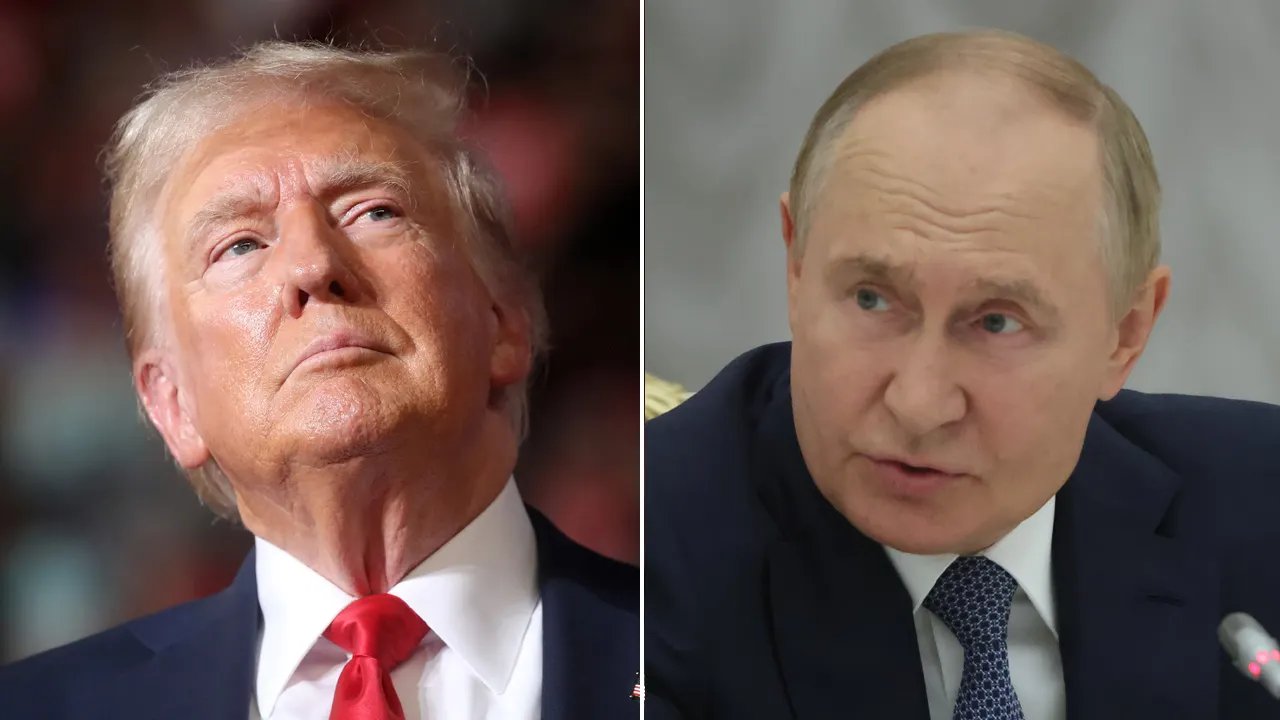
President Donald Trump has signed an executive order waiving significant sanctions and tariffs on Russian energy imports, a move the administration argues is necessary to curb rising domestic fuel costs. The decision, announced Friday, marks a major pivot in U.S. foreign energy policy, specifically targeting the provisions of the recently passed Lindsey O. Graham Sanctioning Russia and Iran Act.
The waiver, which Trump justified as being in the “national interest of the United States,” follows a high-stakes agreement between Washington and the Kremlin. Under the terms of the deal, Russia has committed to releasing millions of tons of diesel fuel into the global market. The administration hopes this influx of supply will stabilize energy prices ahead of the critical November midterm elections, where fuel costs remain a top concern for American voters.
Navigating Global Tensions and Economic Policy
The diplomatic maneuvering comes at a time of heightened geopolitical friction, with ongoing conflicts in Iran and Ukraine placing immense pressure on the global energy infrastructure. By waiving the sanctions—which were originally designed to impose tariffs of up to 100% on goods from major importers of Russian crude and those purchasing Russian energy—Trump is attempting to decouple immediate economic relief from long-standing trade restrictions.
The executive action has also escalated rhetoric regarding the war in Ukraine. In recent days, the President has publicly urged Ukrainian leadership to cease strikes against Russian oil refineries, arguing that such tactical moves jeopardize global market stability and complicate his ongoing diplomatic efforts with Moscow. In a pointed critique, Trump suggested that it was time for a change in leadership in Kyiv, signaling a potential shift in U.S. support as he prioritizes domestic economic outcomes.
The Political Impact of the Graham Act
The Graham Act, named after the late South Carolina Senator Lindsey Graham, was signed into law only last month with broad legislative backing. The bill was intended to serve as a strict deterrent against Russian energy revenue, reflecting the views of a legislator who was a prominent advocate for aid to Ukraine. By utilizing his executive authority to bypass the law’s most stringent penalties, President Trump has set the stage for a potential confrontation with lawmakers who view the waiver as a departure from a hardline stance against the Kremlin.
The administration maintains that the waiver is a strategic tool, allowing the president to monitor the situation and pivot if necessary. However, the move has already sparked intense analysis from market observers and political commentators, many of whom are examining how this reversal will influence voter sentiment in key battleground states, including Ohio, where the administration has been heavily campaigning.
Tech and Data Analysis in Energy Forecasting
As these geopolitical shifts unfold, the tech industry is playing an increasingly vital role in how both the public and private sectors process energy volatility. Advanced AI-driven analytics and real-time market tracking tools—such as those integrated into the Google Cloud infrastructure and Google News aggregation platforms—are now essential for businesses and voters alike to interpret the scale of these policy changes.
Modern data platforms provide granular insights into global oil shipments and the impact of tariff fluctuations on downstream consumer prices. For the average citizen navigating high inflation, search trends and real-time news updates on digital platforms serve as the primary source for understanding how diplomatic decisions in Washington, D.C., eventually manifest at the gas pump. As the midterms approach, the ability to synthesize complex trade data with political rhetoric has become a defining challenge for digital information ecosystems, ensuring that the electorate remains informed on the shifting landscape of global commerce and national security.
Disclaimer: This content is auto-generated for informational purposes only.
Source: Read Original News