







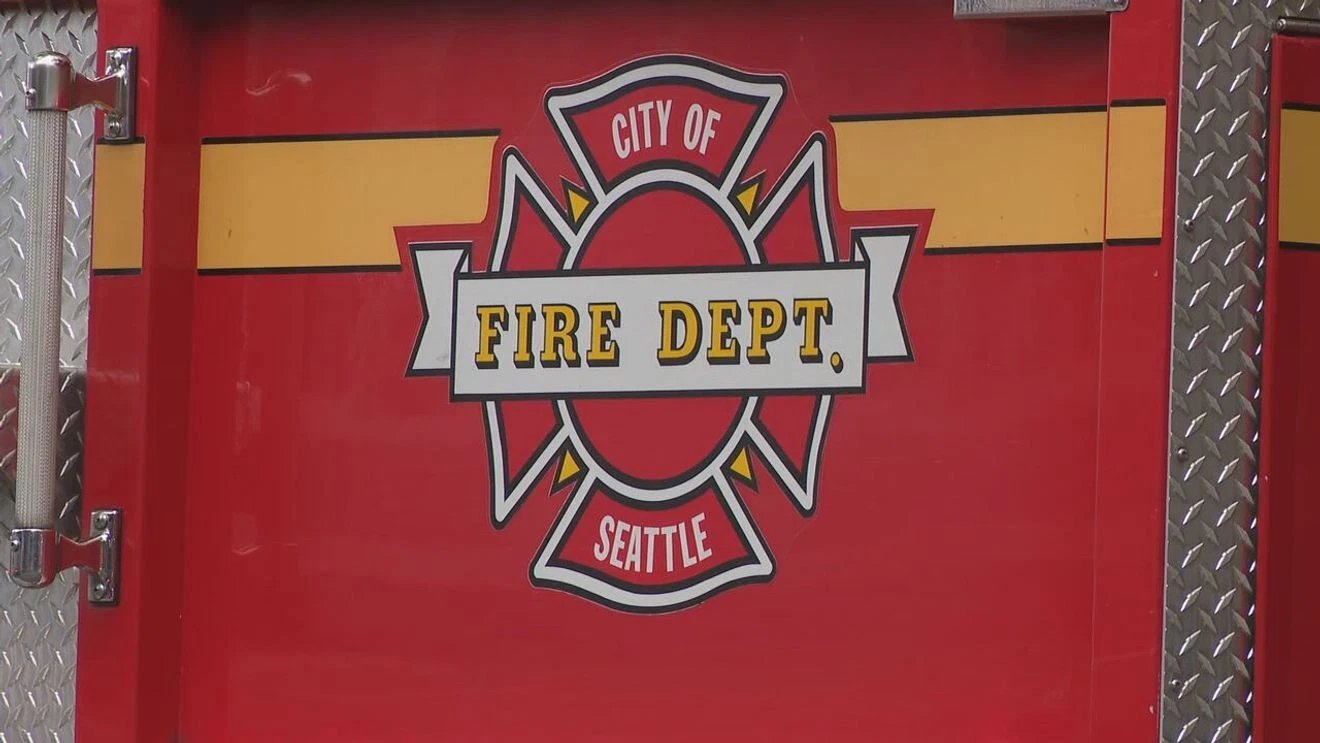
SEATTLE — A significant emergency response unfolded in the heart of Seattle’s Ballard neighborhood on Saturday morning as specialized crews battled a hazardous gas leak in a commercial facility. The Seattle Fire Department (SFD) deployed a hazmat team to the 5400 block of Ballard Avenue Northwest shortly after 10:30 a.m. following reports that a carbon dioxide (CO2) alarm had triggered inside the structure.
Upon arrival, fire personnel initiated a controlled investigation. Hazmat specialists confirmed that the atmosphere within the building contained unsafe concentrations of CO2, necessitating an immediate intervention. While firefighters worked to isolate the source of the leak, additional teams utilized high-powered ventilation equipment to purge the structure of the gas. The incident was successfully mitigated by 12:30 p.m., at which point crews deemed the area safe for re-entry. Officials confirmed that no injuries were sustained during the event.
The Role of Smart Monitoring in Building Safety
The successful mitigation of this incident underscores the growing necessity of advanced sensor technology in commercial infrastructure. While the Seattle Fire Department utilized traditional hazmat detection tools to identify the breach, the modern tech landscape is shifting toward proactive, AI-driven building management systems.
Leading tech giants, including Google, have integrated sophisticated environmental monitoring into their smart home and enterprise ecosystems. Through the integration of the Google Home platform and Nest-compatible sensors, building managers can now receive real-time telemetry regarding air quality, moisture levels, and the presence of volatile gases. As machine learning algorithms become more integrated into these hardware suites, they are increasingly capable of distinguishing between minor environmental fluctuations and genuine, life-threatening emergencies. By leveraging predictive analytics, these systems can automate the activation of building-wide ventilation protocols before first responders even arrive on the scene, minimizing the risk of exposure.
AI’s Growing Impact on Emergency Response
Beyond individual building sensors, the integration of Artificial Intelligence in public safety is fundamentally changing how cities like Seattle manage hazardous material emergencies. AI platforms are now being utilized to map the spread of gases in urban environments in real-time. By processing atmospheric data, wind direction, and building ventilation schematics, algorithms can provide incident commanders with rapid projections of the potential “danger zone.”
As cloud computing continues to transform civic infrastructure, departments like the SFD are increasingly looking toward unified data dashboards. These tools aggregate information from multiple sources, including integrated fire alarm systems and municipal sensor grids, to provide a “digital twin” of an incident. This tech-enabled situational awareness allows hazmat teams to identify the exact location of a leak within complex commercial buildings, potentially shaving precious minutes off response times.
Identifying Hazards in an Increasingly Automated World
While technology serves as a powerful shield, the Ballard incident serves as a vital reminder of the basic physical indicators that even the most advanced AI sensors might complement rather than replace. Experts emphasize that occupants should remain vigilant for manual warning signs that a fuel-burning system is malfunctioning.
Physical indicators of a gas leak—such as flickering yellow or orange flames on heaters instead of a steady blue, the presence of soot streaks near appliances, or unusual condensation on interior surfaces—remain critical cues for residents and business owners. When combined with modern, cloud-connected detection devices, these manual observations provide a secondary layer of defense.
As the industry moves toward more integrated “smart city” frameworks, the intersection of rapid human response and intelligent, automated monitoring will remain the gold standard for public safety. Saturday’s resolution in Ballard highlights the effectiveness of this partnership, ensuring that a potentially dangerous situation resulted in zero casualties and a swift return to normalcy for the local business community.
Disclaimer: This content is auto-generated for informational purposes only.
Source: Read Original News