







Tensions Escalate in New Delhi as ‘Cockroach’ Movement Leader Released from Custody
NEW DELHI – The youth-led protest movement that has gripped India’s capital over the past week saw a significant development on Saturday as Abhijeet Dipke, the founder of the Cockroach Janta Party (CJP), was released from police detention. His release follows a tense standoff between government authorities and activists protesting against the nation’s election oversight body.
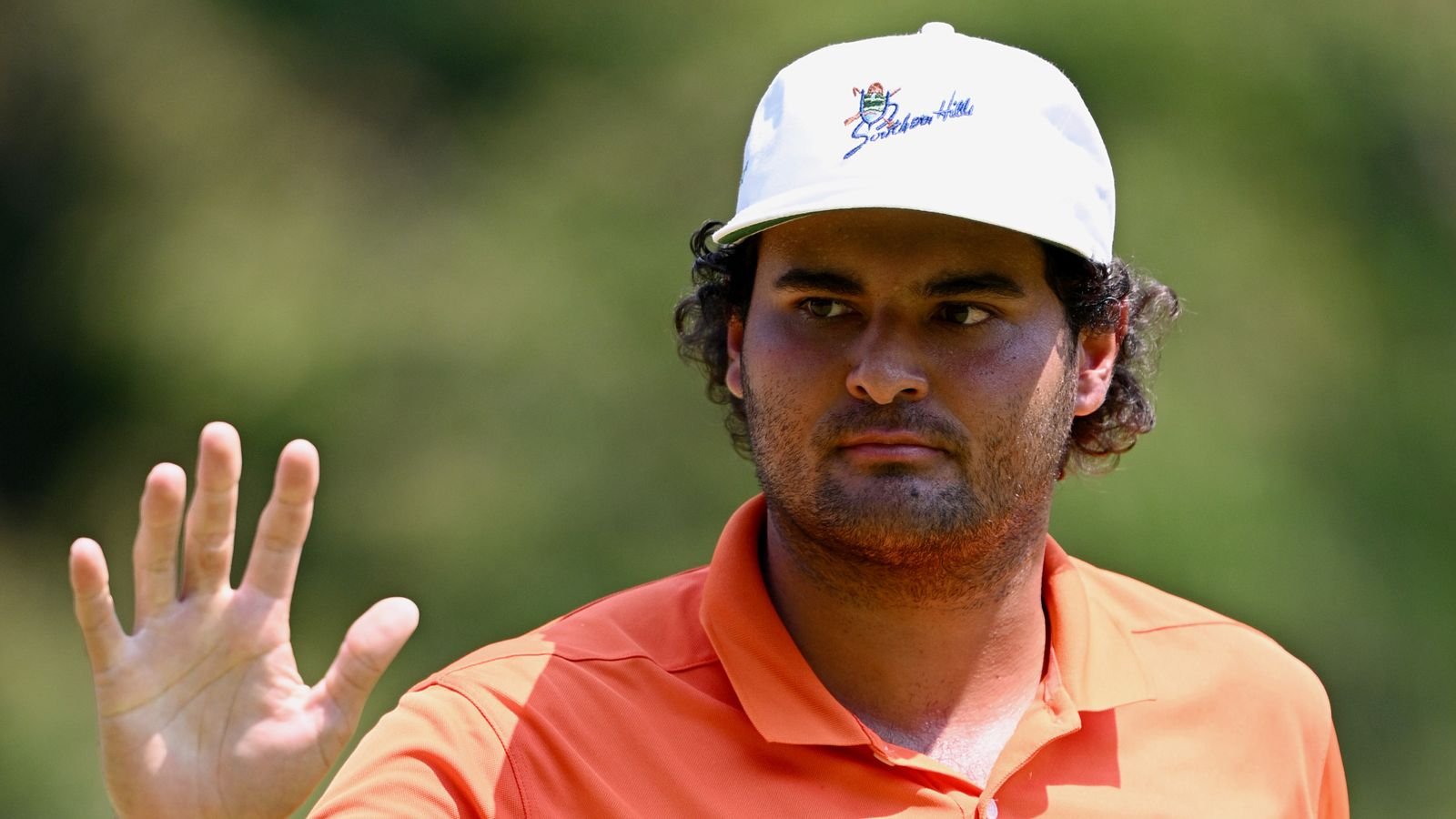
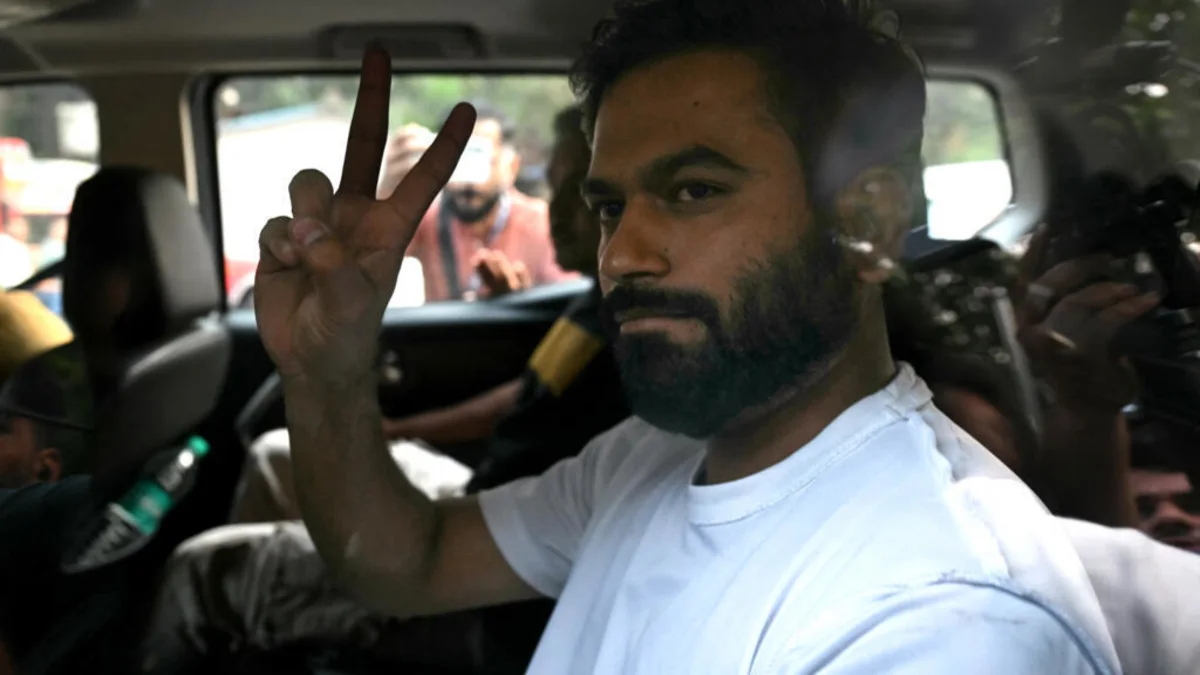
Dipke, 31, was taken into custody on Friday morning while attempting to navigate toward the Connaught Place district, where a major rally had been scheduled. His arrest was part of a broader security crackdown aimed at stifling public demonstrations against the Election Commission. Following his release on Saturday afternoon, Dipke appeared in high spirits, waving to journalists and supporters as he was transported away from the police station.
A Challenge to Election Integrity
The CJP and various opposition factions have united in an escalating campaign demanding the immediate resignation of the chief election commissioner. The movement’s core grievance stems from a recent “special intensive revision” of voter rolls, which allegedly resulted in the removal of over 130 million names from the electoral registry.
Protesters argue that these mass deletions are a calculated effort by the ruling Bharatiya Janata Party (BJP) to manipulate the electoral landscape in their favor. The Election Commission, tasked with safeguarding the integrity of voting in the world’s most populous democracy, has repeatedly denied these allegations, dismissing claims of systemic wrongdoing.
The Cost of Dissent
The protest movement, colloquially dubbed the “Cockroach” movement, has seen a heavy-handed response from law enforcement. Earlier this week, two prominent CJP figures, Ashutosh Ranka and Saurav Das, were apprehended for demonstrating at Jantar Mantar, a historic protest site currently under a restrictive ban. Both remain behind bars, with Dipke expressing his solidarity with his jailed colleagues in a social media update following his release, stating, “Now just waiting for my brothers to be free.”
Reflecting on his own brief period of incarceration, Dipke maintained a defiant stance, suggesting that his arrest was an expected hurdle. “The day I decided to come back to India, I placed my fate in the hands of the people and the Constitution,” he noted in a digital post.
Broader Political Unrest
The movement has gained momentum with the involvement of vocal student activists. Neha Bora, a key figure in the protests who was also detained during Friday’s security sweep, was released alongside Dipke. Speaking to the media shortly after her release, Bora issued a direct plea to authorities to halt the voter roll revision process and ensure that the voting rights of ordinary citizens are upheld.
The government’s crackdown comes against a backdrop of long-standing allegations that the BJP has politicized voter rolls under the guise of removing undocumented migrants from neighboring Bangladesh. While the ruling party maintains that these measures are necessary for national security, critics and international rights groups argue that such actions are part of a larger trend of eroding democratic norms and suppressing civil society.
As the CJP continues to challenge the state, observers are watching closely to see if the government will engage with the protesters or continue its strategy of containment. For now, the release of key leaders has only fueled the resolve of a movement that refuses to be silenced.
Disclaimer: This content is auto-generated for informational purposes only.
Source: Read Original News