








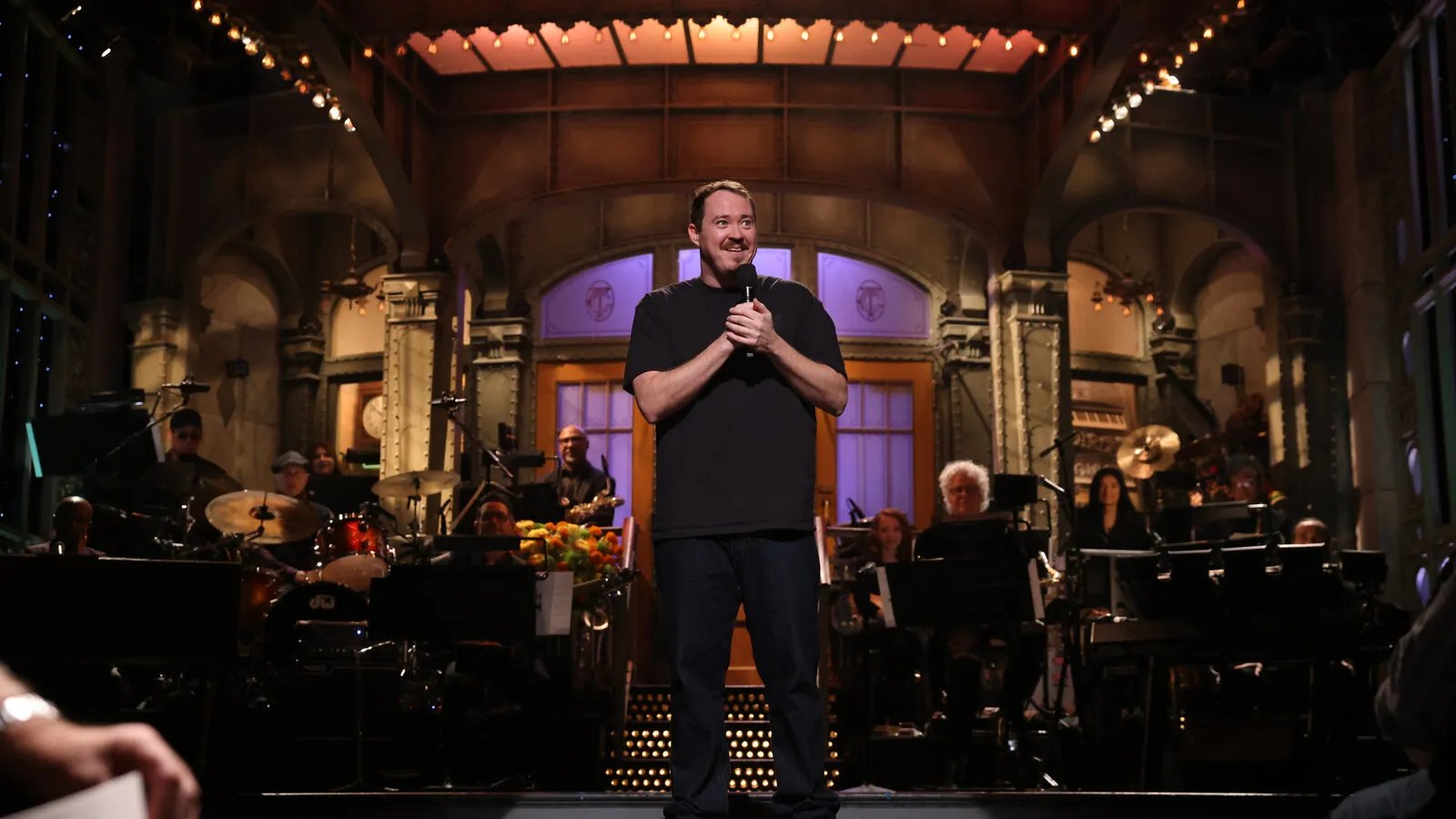
NEW YORK — Comedian Shane Gillis is facing intense public backlash following his debut as host of “Saturday Night Live” on October 10, with critics and advocacy groups condemning his opening monologue for remarks that many have labeled misogynistic and derogatory toward women.
During the broadcast, Gillis, known for his provocative style of stand-up comedy, delivered a series of jokes targeting women’s roles in professional environments and their personal agency. While the live studio audience provided immediate laughter, the reaction on social media platforms was swift and polarized. By Sunday morning, the segments of the monologue had been clipped and circulated across X (formerly Twitter) and TikTok, triggering a firestorm of criticism from gender equality advocates and viewers who felt the content crossed the line from edgy satire into harmful rhetoric.
“What we witnessed on the stage of a national institution like Saturday Night Live was not ‘challenging comedy,’ but a reinforcement of tired, harmful tropes that seek to diminish women’s contributions to the workforce and public life,” said Sarah Jenkins, a spokesperson for a prominent media watchdog group. “Comedy has long been a space for subversion, but when it relies on disparaging entire demographics, it ceases to be commentary and starts to look like harassment.”
The controversy has reignited a long-standing debate regarding the boundaries of acceptable humor in late-night television. Supporters of Gillis argue that his performance was consistent with his established comedic persona, which leans heavily into “frat-boy” sensibilities and observational commentary that intentionally pushes against the grain of modern political correctness. They contend that the outrage is a symptom of an overly sensitive culture that stifles artistic freedom.
“Comedy is meant to be provocative,” noted one industry analyst familiar with the late-night landscape. “SNL has a history of hosting divisive figures, but the tension between the show’s traditional cultural reach and the comedian’s specific, polarizing brand of humor is becoming increasingly difficult for the network to manage without facing these kinds of PR crises.”
Neither NBC nor the Saturday Night Live production team had issued a formal statement as of Monday afternoon regarding the backlash. The network’s silence has left many observers speculating about the future of vetting processes for guest hosts. Some entertainment insiders suggest this incident may force NBC to reconsider its approach to booking talent, as the show navigates the evolving expectations of a diverse and highly vocal audience.
For Gillis, the episode is the latest chapter in a career marked by both rapid ascent and high-profile scrutiny. As the debate continues to unfold online, the incident serves as a stark reminder of the narrowing gap between the stage and the digital court of public opinion, where a single monologue can spark a nationwide conversation about culture, misogyny, and the evolving mandate of late-night comedy.
Disclaimer: This content is auto-generated for informational purposes only.
Source: Read Original News