








Netanyahu Eyes Strategic Pivot: India and Latin America Key to Future Security
In a significant policy address delivered just over a week before Israel’s national elections, Prime Minister Benjamin Netanyahu has underscored the urgent need for Israel to diversify its international partnerships. Addressing the shifting tides of global geopolitics, the long-serving leader cautioned that Israel must proactively prepare for a future where American support—currently robust—could potentially waver depending on the political orientation of future US administrations.
Building Alliances Beyond Washington
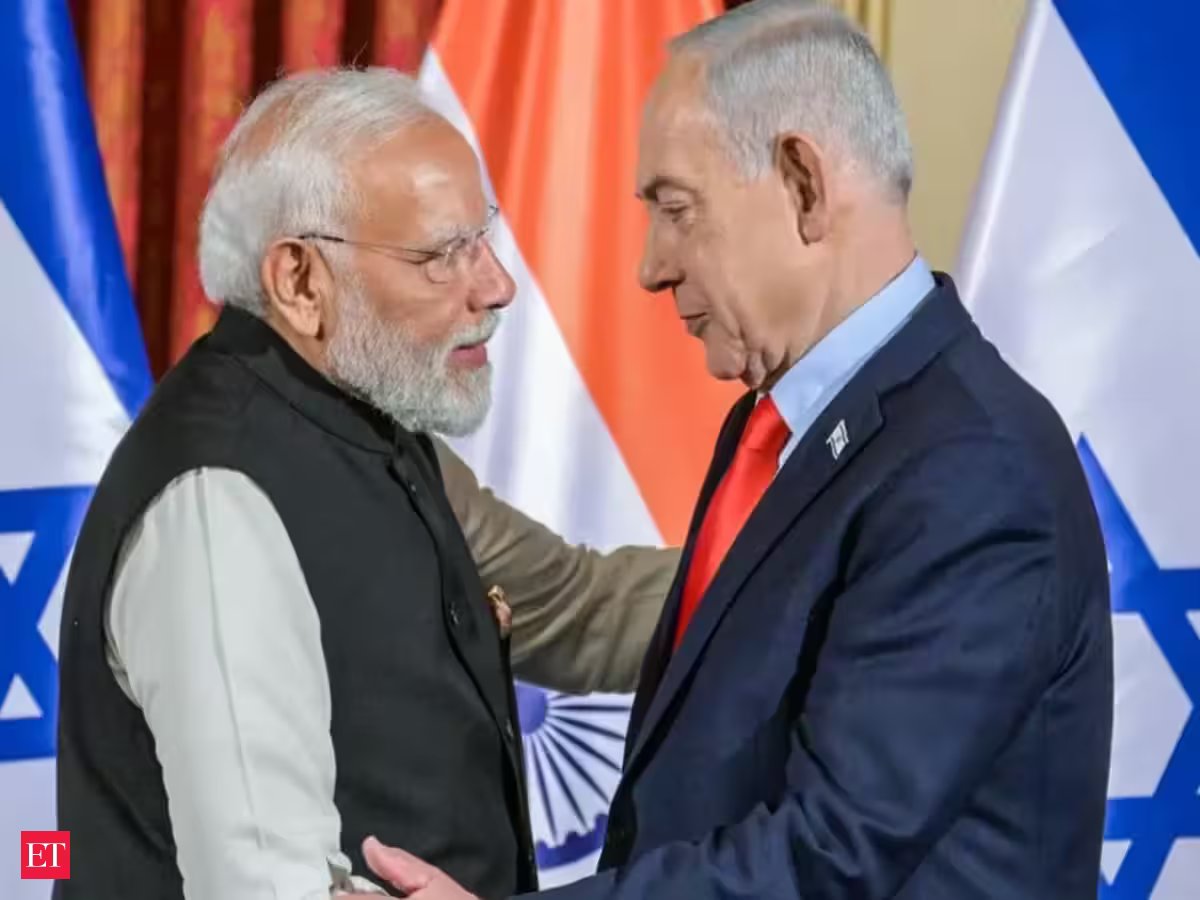
During a presentation of his updated security doctrine, Netanyahu signaled a departure from a near-total reliance on Western powers. He explicitly identified India as a critical pillar for Israel’s diplomatic and strategic future. Describing India as a major global power with which Israel shares a deeply positive bond, the Prime Minister suggested that such relationships are essential to insulating Israel against potential shifts in US policy.
“We must expand our pool of alliances and develop capabilities that make us valuable to everyone,” Netanyahu stated. He pointed toward recent political movements in Latin America, particularly in Brazil, as further evidence of an opening global landscape where Israel can forge new, mutually beneficial ties to bolster its national security.
The ‘India Factor’ in Israeli Diplomacy
Netanyahu’s focus on New Delhi is not new, but its inclusion in a formal security doctrine highlights the deepening nature of the bilateral relationship. The Israeli Premier has frequently utilized his rapport with Prime Minister Narendra Modi to frame Israel’s global standing as resilient and far-reaching. By highlighting the “unique” and warm connection between the two nations, Netanyahu aims to convince his domestic audience that Israel possesses the diplomatic leverage to thrive, even if its relationship with the United States becomes complicated by partisan shifts in Washington.
Analysts note that this strategy serves a dual purpose. By demonstrating an ability to cultivate independent power blocks, Netanyahu presents himself as a visionary statesman capable of safeguarding Israeli sovereignty regardless of who occupies the White House.
Domestic Backlash and Election Tensions
The Prime Minister’s security vision has faced sharp criticism from his political rivals. Gadi Eisenkot, the former Chief of Staff of the Israel Defence Forces and a primary contender in the upcoming election, dismissed the doctrine as a performative political maneuver. Eisenkot argued that the document offered little more than rhetoric at a time when the country is reeling from ongoing security crises.
“This is Netanyahu’s method: manipulating perceptions, frightening people and trying to divert attention from the parade of lies and racism surrounding his campaign,” Eisenkot remarked. Critics of the Prime Minister contend that his past handling of relations with Democratic administrations in the US has left Israel unnecessarily exposed. They argue that Netanyahu’s penchant for public clashes with US leaders has historically eroded support among key segments of the American electorate, potentially creating the very hostile environment he now warns against.
As Israel approaches the polls, the debate over the country’s international positioning remains a central campaign issue. While Netanyahu pushes for a “security-first” diversification strategy, his opponents continue to question whether such doctrines are legitimate policy shifts or merely tactical efforts to maintain political dominance in an increasingly polarized climate. Regardless of the election’s outcome, the emphasis on strengthening ties with non-traditional partners like India marks an evolving chapter in Israel’s foreign policy strategy.
Disclaimer: This content is auto-generated for informational purposes only.
Source: Read Original News