








The Standing Rock Reservation is witnessing a high-tech evolution in sustainable agriculture as Wózu Inc. integrates advanced solar engineering with traditional buffalo restoration efforts. By installing a custom-designed agrivoltaic system, the organization has moved away from unreliable generators toward a resilient, renewable energy model that protects both the land and its animal inhabitants.
The project, spearheaded by the Native-led nonprofit Indigenized Energy, serves as a blueprint for how climate-conscious infrastructure can be tailored to the unique physical requirements of indigenous ranching.
Engineering Resilience in the Heartland
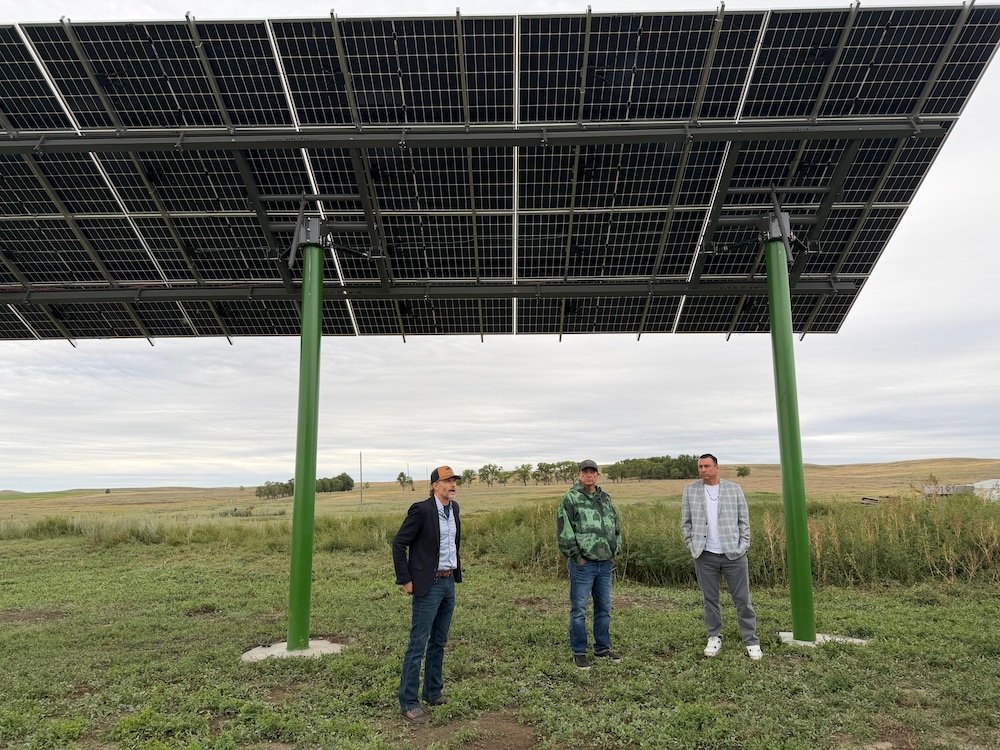
The $200,000 installation was far more complex than a standard residential or commercial solar array. Because the solar panels are located in a pasture setting, engineers had to account for the physical presence of buffalo—animals that can weigh as much as a small car. To ensure the safety of both the infrastructure and the herd, the solar racks were built with reinforced steel supports and elevated well above the ground to withstand the weight of a buffalo using the structure as a scratching post.
Beyond the hardware, the project features a 10-kilowatt AC solar array paired with battery storage donated by SolarEdge. This setup provides the barn with stable, clean electricity and a critical backup power source, ensuring that the facility remains operational for animal care and quarantine even during grid outages. David Riley, chief strategy officer at Indigenized Energy, noted that this wasn’t just a utility project; it was an investment in a vital cultural and economic resource, describing the buffalo as “family members.”
The Rise of Agrivoltaics in Indian Country
This installation highlights the growing field of agrivoltaics, where solar energy production and agricultural activities coexist on the same plot of land. While the global market for agrivoltaics is projected to reach $182 billion by 2034, its application in tribal communities is particularly significant. As climate change brings hotter temperatures, droughts, and unpredictable growing seasons to the Great Plains, these systems offer a way to keep farming operations economically viable.
Experts like Jen Rouda, founder of the consulting firm 7Skyline LLC, believe that solar arrays offer a dual benefit: they generate necessary power while providing essential shade that cools the soil and reduces heat stress for livestock. This is increasingly important as producers face “revenue stress” caused by the rising costs of traditional power and water. By integrating these systems, tribes can stabilize food production while simultaneously lowering their energy expenditures.
A Scalable Future for Tribal Energy
The success at Standing Rock underscores a broader shift in how technology and traditional ecological knowledge can intersect. Modern solar arrays are no longer just static glass panels; they are becoming platforms for innovation. Consultants like Lon Richards of Solar Volt LLC point out that future battery storage systems will likely include advanced sensors. These sensors can provide real-time, granular data on soil health, crop moisture, and animal behavior, giving ranchers unprecedented insight into their land management.
For Wózu founder Dave Archambault II, the project is about long-term stability. By securing a reliable, independent power supply, the organization can continue its mission of restoring the buffalo and its relationship with the land without the constant threat of utility-related disruptions.
Indigenized Energy is currently seeking funding to replicate this model across other tribal nations. As the organization manages a growing backlog of buffalo-related solar projects, they hope that demonstrating the success of this agrivoltaic system will attract the capital needed to help other tribes achieve energy sovereignty while safeguarding their most important ecological assets.
Disclaimer: This content is auto-generated for informational purposes only.
Source: Read Original News