









BEIJING — China’s economy showed signs of a critical rebound in the third quarter, driven by an unexpected surge in demand for artificial intelligence-related technology that helped bolster the nation’s export sector. Data released Monday by the National Bureau of Statistics revealed that the world’s second-largest economy grew by 4.5% in the three months ending in September, marking a recovery from a three-year low.
The latest figure represents a slight uptick from the 4.3% growth recorded in the second quarter, though it remains below the 5% expansion seen in the first three months of the year. The 4.5% growth rate places the economy at the lower boundary of Beijing’s official annual target of 4.5% to 5%. While some observers view this as a precarious position, many analysts argue that hitting the lower end of the goal provides essential breathing room for policymakers to implement structural reforms without the pressure of overheating the market.
“The economy has sustained steady development against significant pressure,” a spokesperson for the National Bureau of Statistics stated. Officials pointed to the emergence of “new growth drivers” and an “improving structure,” emphasizing that the nation is successfully pivoting away from its traditional reliance on heavy industry toward more technology-forward sectors.
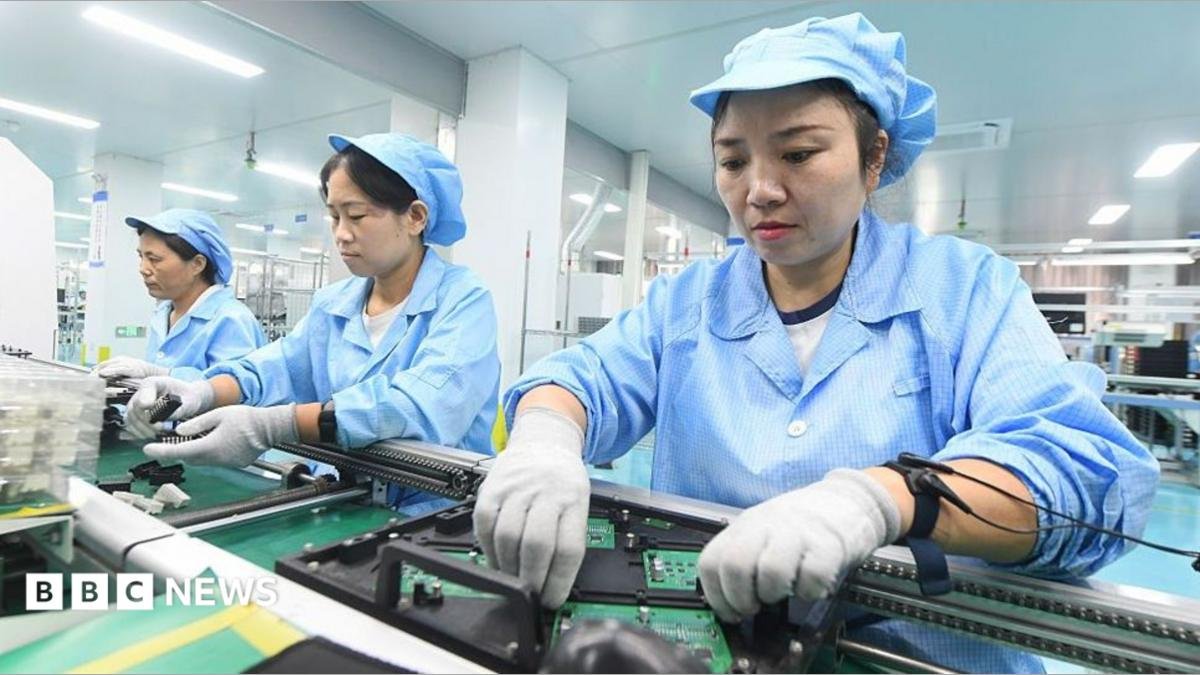
A primary pillar of this growth has been the global AI boom, which has sent international demand for Chinese-manufactured hardware and components soaring. This export strength has served as a vital hedge against persistently weak consumer spending within China. Consequently, the country’s trade surplus—the gap between the value of goods sold abroad and those imported—is currently on pace to eclipse last year’s record of $1.2 trillion.
However, the headline growth figures mask profound domestic challenges. The ongoing crisis in the real estate sector remains a significant drag on the broader economy. Official data indicated that property investment plummeted by more than 20% in the first nine months of the year compared to the same period in 2023. China’s economy continues to struggle with the fallout of a long-running property slump, characterized by years of aggressive overbuilding and excessive borrowing by private developers that the government is still struggling to unwind.
Looking forward, the economic outlook remains shrouded in uncertainty. While the tech-driven export surge is currently propping up industrial output, global trade tensions threaten to undermine this momentum. Rising protectionism and geopolitical friction in key markets, combined with the volatile nature of global AI investment, suggest that China’s path to stability remains fraught with risks.
For now, Beijing is expected to maintain its current policy trajectory, carefully balancing the need for aggressive support in the property market against the long-term objective of transitioning toward high-tech, export-led growth.
Disclaimer: This content is auto-generated for informational purposes only.
Source: Read Original News