








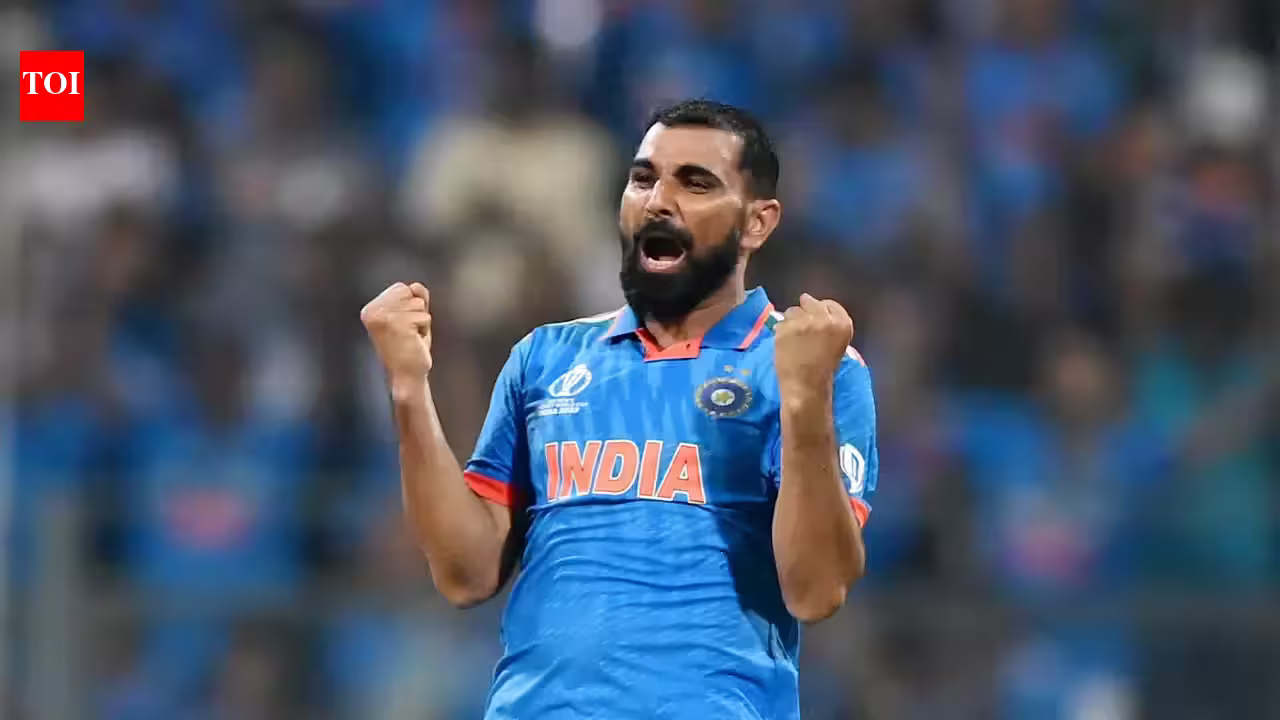
CRITICISM of the Board of Control for Cricket in India (BCCI) and the national selection committee reached a fever pitch this week following the announcement of India’s squad for the upcoming tour of New Zealand. As the roster for the two Tests, five ODIs, and five T20Is was unveiled, one name remained conspicuously absent, igniting a firestorm of debate regarding the lack of transparency in selection policies: Mohammed Shami.
The veteran speedster, who proved instrumental in India’s juggernaut run to the 2023 ODI World Cup final, finds himself on the outside looking in. For former India batter Mohammad Kaif, this omission is not merely a sporting decision; it is a breakdown in communication that threatens the integrity of the selection process.
The Call for Accountability
Speaking on Cricbuzz, Kaif did not mince his words, directing his frustration squarely at the selectors’ silence. “No questions are asked, no BCCI selector explains the decisions, there’s no accountability,” Kaif asserted. “You’ve to keep transparency. This is about Mohammed Shami—the player of the 2023 World Cup.”
Kaif’s defense of Shami is rooted in undeniable statistics. During the 2023 World Cup, Shami finished as the tournament’s leading wicket-taker, claiming a staggering 24 wickets in just seven matches. Beyond the numbers, Kaif highlighted the strategic value Shami provided when the team faced a crisis. “When Hardik Pandya got injured, Shami came in and didn’t make you feel the absence of a sixth bowler. If Shami wasn’t there, India would’ve been searching for a sixth bowling option. Rohit Sharma took India to the final with five bowlers because Shami was the backup.”
Domestic Performance vs. Fitness Concerns
The primary argument provided by the establishment for Shami’s absence—though never officially confirmed via a public address—revolves around match fitness. Reports suggest that concerns regarding his ability to sustain the physical demands of red-ball cricket, specifically regarding his tendency to bowl “short spells” in domestic matches, have kept him off the team sheet.
However, Kaif dismissed these concerns as double standards. He pointed to the workload management protocols often afforded to India’s premier pacer, Jasprit Bumrah. “I heard that he’s (Shami) bowling short spells and so not being picked. Jasprit Bumrah also bowls four-over spells in Test cricket,” Kaif noted. “In England, his workload was being managed. If one bowler is being treated in a particular way, then the same can be done for others too. There’s nothing wrong in bowling short spells if you can get the job done.”
Shami has been active in the domestic circuit, working his way back to full fitness. He has reportedly taken 22 to 23 wickets in Indian conditions, proving that he still possesses the guile and precision that made him a global terror. Yet, even as he grinds away in the Ranji Trophy, he was recently rested for Bengal’s second-round match, further muddying the waters regarding his immediate availability and the BCCI’s long-term plan for him.
A Legacy in Limbo
Shami’s journey over the last few years has been one of high peaks and frustrating valleys. He last donned the national colors in March 2025 during India’s victorious Champions Trophy campaign, but his last Test appearance remains the World Test Championship final against Australia in June 2023.
As a bowler with the pedigree of a match-winner, the transition into a state of semi-retirement from the Test setup has left many observers perplexed. For a player who has served the national side with distinction, the current wall of silence from the selection panel is perceived as disrespectful.
The Wider Implications for Indian Cricket
The controversy surrounding Shami touches on a larger systemic issue that often plagues the Indian team: the transition of senior players and the lack of a clear, public narrative regarding their future. When a player who has been a bedrock of the bowling attack is sidelined without a clear roadmap for a return, it invites speculation and undermines the confidence of the fanbase.
Kaif’s demand for transparency is not just about Shami; it is about the principle of professional sports management. In an era where data-driven fitness programs and workload management are standard, the “black box” approach to selection creates unnecessary friction between the team management and the public.
As the Indian squad prepares to depart for the challenges of New Zealand, the questions regarding Shami remain louder than ever. Will he return to the fold, or is the door quietly being shut on one of India’s most prolific white-ball and red-ball assets? For now, the selectors have opted for silence, leaving the cricket world to speculate on the future of a man who, until very recently, was the engine room of India’s bowling attack. Until the BCCI addresses these concerns with clarity, the shadow of Mohammed Shami’s omission will loom over every delivery bowled in the upcoming series.
Disclaimer: This content is auto-generated for informational purposes only.
Source: Read Original News