








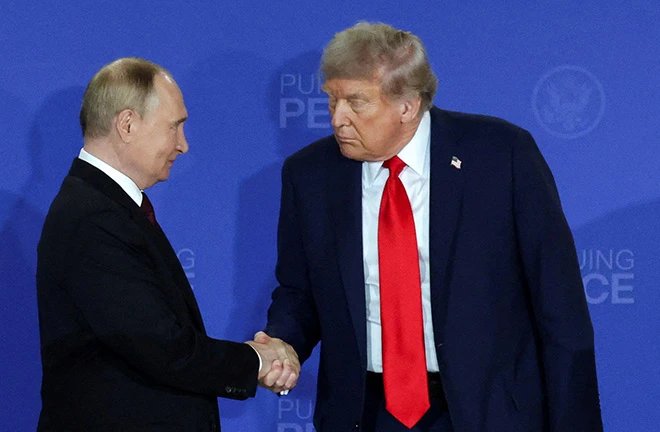
WASHINGTON — In a move sparking immediate international backlash and domestic outcry, President Donald Trump has announced a unilateral agreement with Russian President Vladimir Putin to lift sanctions on Russian diesel fuel exports. The exemption, granted by the U.S. Treasury Department, will remain in effect until next spring, providing a significant financial lifeline to the Kremlin as it continues its ongoing invasion of Ukraine.
The decision, made without consultation with the Ukrainian government or international allies, marks a stark pivot in U.S. foreign policy. Since the start of the conflict, the international community has maintained a strict ban on Russian petroleum products to curb Moscow’s ability to fund its military operations. While the U.S. insists that sanctions on the Russian defense industry and other petroleum sectors remain intact, critics argue that the diesel exemption undermines the entire global pressure campaign.
President Trump defended the move as a necessary measure to combat rising fuel costs, a critical concern for his voter base—particularly farmers and the trucking industry—ahead of the November midterm elections. Following the agreement, Trump took to social media to predict that diesel prices would “plummet at a record pace,” and he publicly thanked the Russian leader for the deal.
However, the move has drawn sharp condemnation from both sides of the aisle in Congress. Lawmakers have accused the administration of prioritizing short-term domestic political gains over global security and the rule of law. Ukrainian President Volodymyr Zelenskyy has vehemently criticized the deal, noting that the agreement was reached without any concessions from Putin regarding a cease-fire.
Tensions further escalated when President Trump unilaterally claimed that an “energy cease-fire” had been reached between Russia and Ukraine. Zelenskyy dismissed the claim as entirely false, noting that he had no knowledge of such an agreement. Meanwhile, Russia has continued its military strikes, and the administration’s attempt to pivot blame for high fuel prices onto Ukraine’s defensive attacks on Russian oil refineries has been met with skepticism.
Analysts suggest the administration’s actions serve as a reconciliatory gesture toward Moscow, further evidenced by a presidential order exempting nations that import Russian energy from additional tariffs established by a September sanctions law.
As the international community grapples with this sudden shift, observers are warning of a fractured global front. Experts emphasize that the integrity of sanctions against the invading nation is vital to maintaining the international order. With solidarity now in question, leaders in Europe and Japan are being urged to double down on existing commitments to ensure that the collective effort to hold the Kremlin accountable does not crumble under the weight of U.S. election-year maneuvering.
Disclaimer: This content is auto-generated for informational purposes only.
Source: Read Original News