








Environmental and human rights abuses embedded within global supply chains are imposing a staggering £4.4 billion annual cost on the UK, a new report from the Fabian Society has revealed. The findings, released as pressure mounts on the government to strengthen corporate accountability, suggest that the current lack of oversight is damaging both the economy and the nation’s standing on the international stage.
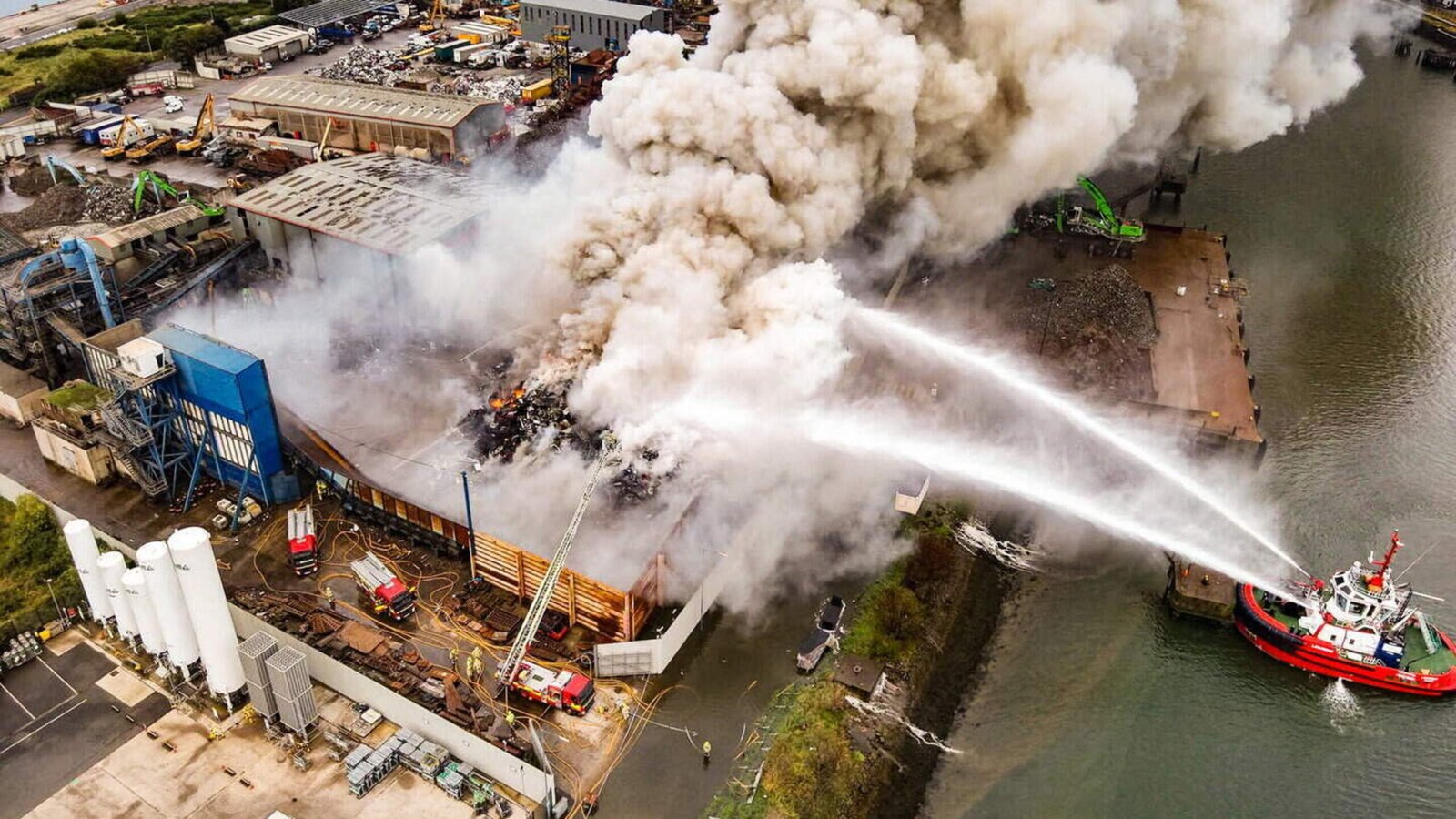
The report details how practices ranging from forced labour and wage theft to widespread environmental degradation—such as the pollution of water sources—create significant economic and social friction. Crucially, the researchers argue that the expense of rectifying these systemic issues is vastly lower than the costs incurred by inaction. Implementing a Human Rights and Environmental Due Diligence (HREDD) law, which would require companies to proactively monitor and address abuses in their supply chains, is estimated to cost approximately £0.4 billion. This figure covers both the necessary business compliance measures and the establishment of an independent regulatory body to oversee enforcement.
Marcus Johns, a senior researcher at the Fabian Society, emphasized the competitive disadvantage created by the current regulatory environment. “Today’s weak regulation creates costs for taxpayers, responsible businesses, and the wider economy,” Johns stated. “British businesses that treat their workers and the environment well must not be undercut by imports or businesses that do not.”
The economic argument for change is bolstered by the scale of the UK’s global trade footprint. The nation imports roughly £1 trillion in goods and services annually, including nearly half of its food supply. Advocacy groups argue that the government has a moral and economic imperative to ensure that the millions of smallholder farmers and workers in developing nations who sustain these supply chains are treated fairly.
Dr. Carley-Jane Stanton, climate lead at the Fairtrade Foundation, noted that the timing of these findings is critical as climate volatility threatens to destabilize global production. “At a time when climate change and the approaching super El Niño are placing growing pressure on global food supply chains, it makes little sense to continue allowing the environmental and social costs of production to be pushed onto the farmers and workers who are growing the food we all rely on,” she said.
The legislative path forward remains uncertain. The Labour government, having previously announced a review into responsible business conduct as part of its wider Trade Strategy, has yet to make the outcomes of that review public, despite expectations for an announcement earlier this spring. Campaigners have consistently pushed for a mandatory HREDD law as the most effective mechanism to force corporate compliance.
Beyond the immediate human rights and environmental benefits, proponents of the law argue that it would serve as a vital tool for long-term economic security. By requiring companies to map and manage their supply chains, businesses would be better positioned to mitigate the risks of extreme weather events and geopolitical shocks—both of which have caused significant disruptions in recent years, from the impacts of the war in Ukraine to the fallout of the Covid-19 pandemic.
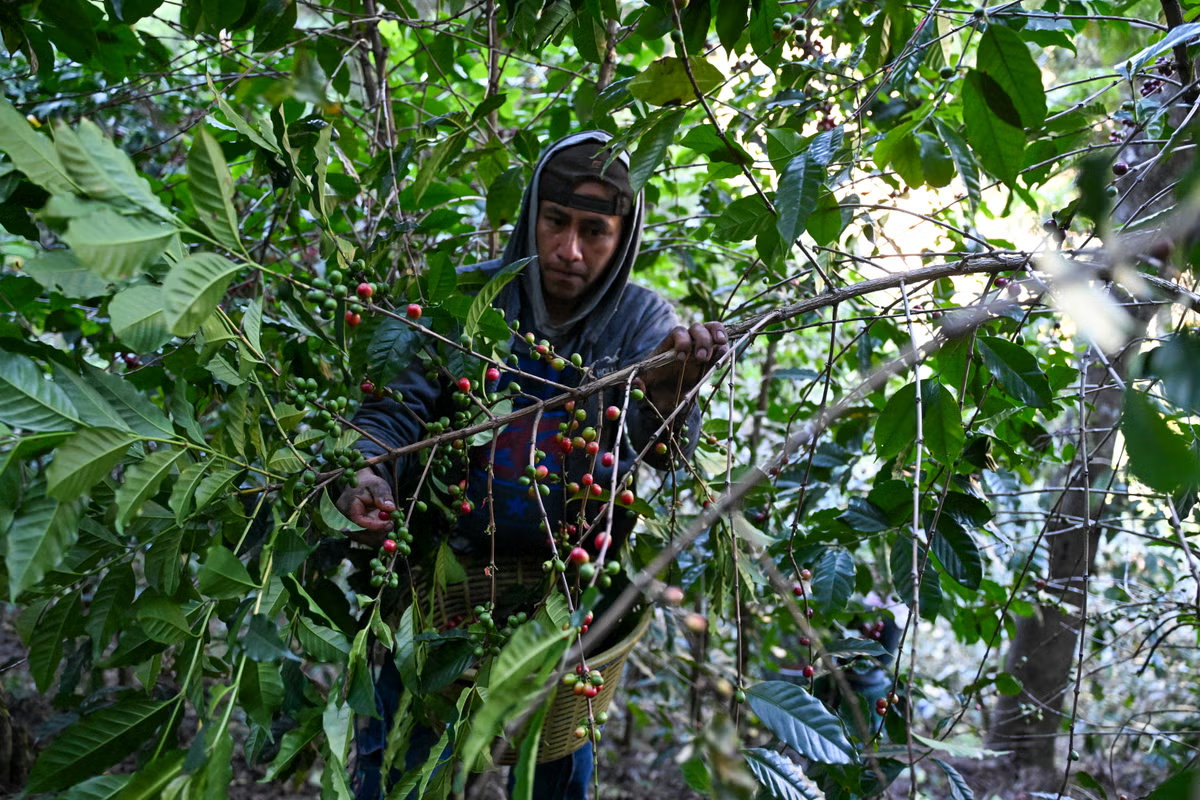
Furthermore, with the ongoing climate crisis, forced adaptations are already affecting global output. Recent historical data highlights the vulnerability of these systems: previous El Niño events saw coffee producers in Honduras and tea farmers in Kenya suffer productivity drops of 22 per cent and 14 per cent, respectively.
“HREDD legislation would mean that companies work with their supply chains to account for climate risks,” Dr. Stanton added. “We know that producer organisations that have long-term sourcing relationships tend to invest more in climate adaptation efforts, which would mean that they would, in the long term, be better prepared for the El Niño.”
As the government continues to weigh its trade strategy in the wake of foreign aid cuts, supporters of the HREDD legislation maintain that ethical trade is a cost-effective way to project UK values. The Department for Business and Trade has been approached for comment regarding the findings.
Disclaimer: This content is auto-generated for informational purposes only.
Source: Read Original News