









When the U.S. and Israel first bombed Iran on February 28, the impacts on global markets were immediate. Oil prices have risen, and fears of energy shortages have spread to every corner of the world.
Yet as the war in Iran intensifies, so do the environmental impacts. But what is the true toll of war on our environment? From natural resources to marine life, war has many severe consequences that will have lasting effects on our natural world.
Pollution and Emissions
On Saturday, Israel struck several oil warehouses and depots in Iran’s capital of Tehran, resulting in thick black smoke and strong oil fumes. Experts are saying that this act of chemical warfare could have lasting impacts on the health of the Iranian people and the environment as well.
Following the bombing, plumes of black smoke filled the air, raining down acid. Fires continued to burn in and around the damaged facilities on Monday, two days after the strike.
Dr. Akshay Deoras, a research scientist at the University of Reading, said:
“The airstrikes on oil depots released soot, smoke, oil particles, sulphur compounds, and likely heavy metals and inorganic materials from the buildings, whilst a low‑pressure weather system, which typically sweeps across Iran and west Asia around this time of year, created conditions favourable for rainfall.”
As a black cloud covered the city, filling the air with toxins, one resident of Tehran described the scene “as if night had turned into day.”
Militaries in general have a profound impact on our environment. According to a study by the Conflict and Environment Observatory, militaries are responsible for 5.5% of global emissions. This means that the world’s militaries produce more carbon emissions than Russia, and if they were a country, they would rank fourth among the most polluting countries, behind China, the U.S., and India.
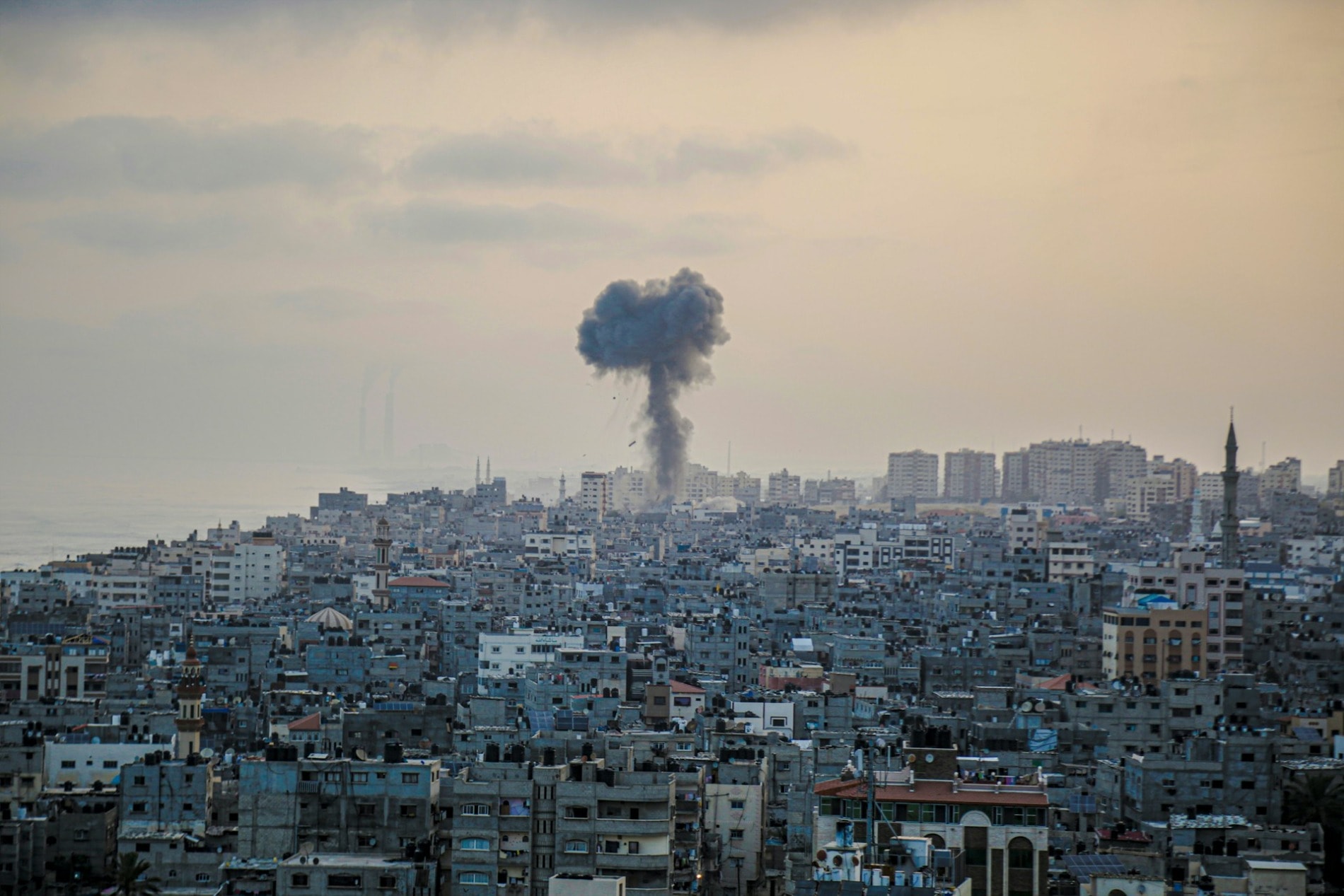
In May, the Guardian published findings from a study showing that the first 15 months of Israel’s war on Gaza had a greater carbon footprint than the annual emissions of hundreds of individual countries. The study claimed that the destruction and rebuilding of Gaza could release 31 million tonnes of carbon dioxide equivalent (tCO2e) into Earth’s atmosphere. These emissions exceed the annual emissions of Estonia and Costa Rica combined.
Impact on Natural Resources
As toxic chemicals from the destruction of Iran’s oil reserves seep into the country’s soil and water, vulnerable ecosystems and people’s health are threatened.
“Damage to petroleum facilities in Iran risks contaminating food, water and air – hazards that can have severe health impacts especially on children, older people, and people with pre-existing medical conditions,” said World Health Organization’s Director-General Tedros Adhanom Ghebreyesus when speaking about Saturday’s strike on Iran’s oil infrastructure.
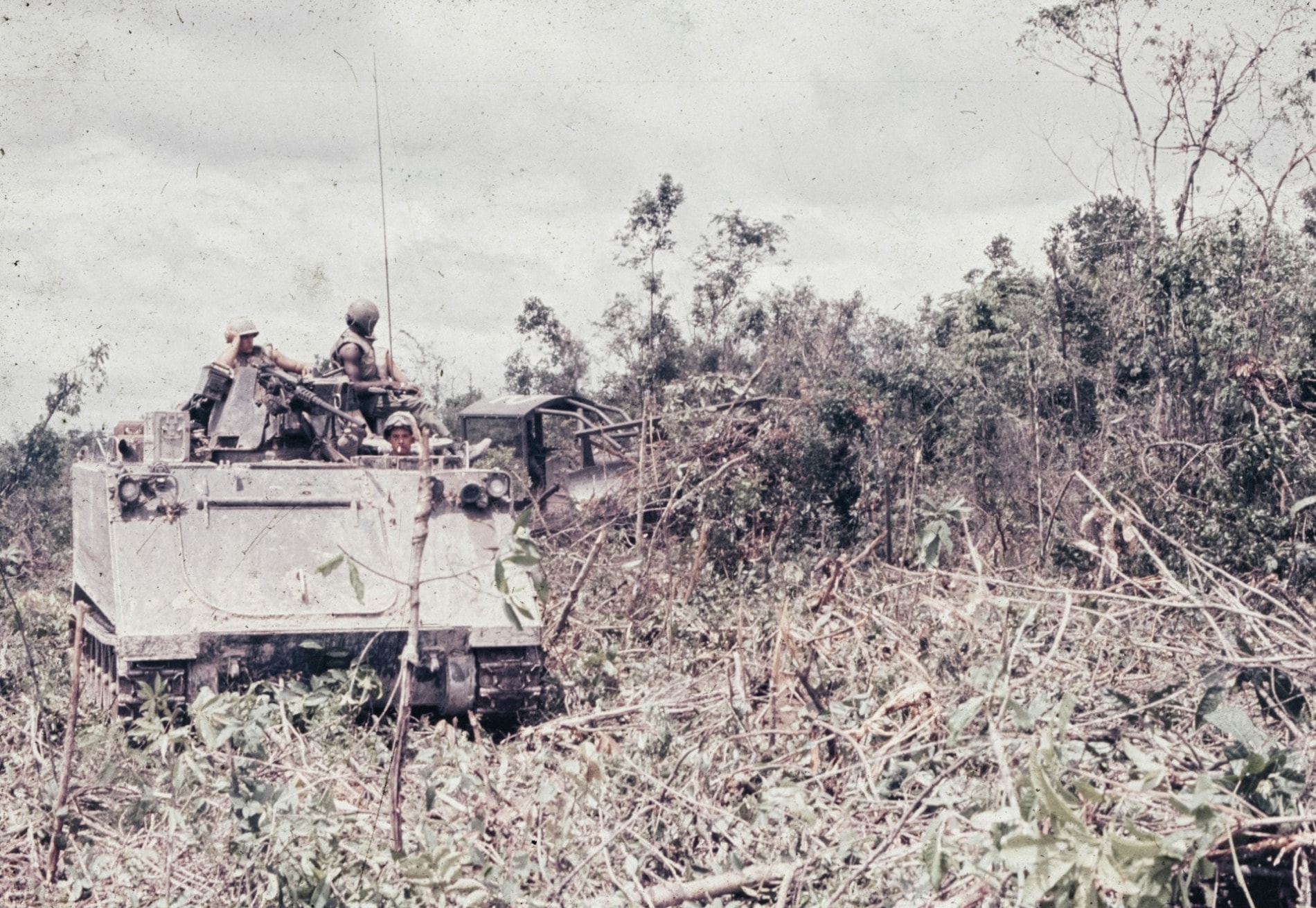
Militaries often clear forests and, in some instances, deliberately destroy ecosystems to make an area uninhabitable. According to a study published by Science Direct, soil erosion and deforestation are the most prominent impacts of war.
In the 90s, Saddam Hussein drained wetlands in Iraq, in an effort to punish the Ma’dan people who lived there. A toxic herbicide mixture called Agent Orange was used during the Vietnam War to destroy forests in the tropical Southeast Asian country.
Wars not only erode soil and contaminate water, but they also threaten water security.
Iran has been experiencing severe droughts for the past six years. Due to water crises in the region, approximately 100 million people in Gulf countries like Iran rely on water desalination plants to convert seawater into fresh drinking water.
Last week, Iran’s foreign minister, Abbas Araghchi, claimed that the U.S. had attacked the Qeshm Island desalination plant, which supplies 30 villages with drinking water. He posted on X, saying that “the U.S. set this precedent, not Iran.”
The next day, an Iranian drone hit a water desalination plant in Bahrain, putting water security in the Gulf region at risk.
Impact on Marine Life
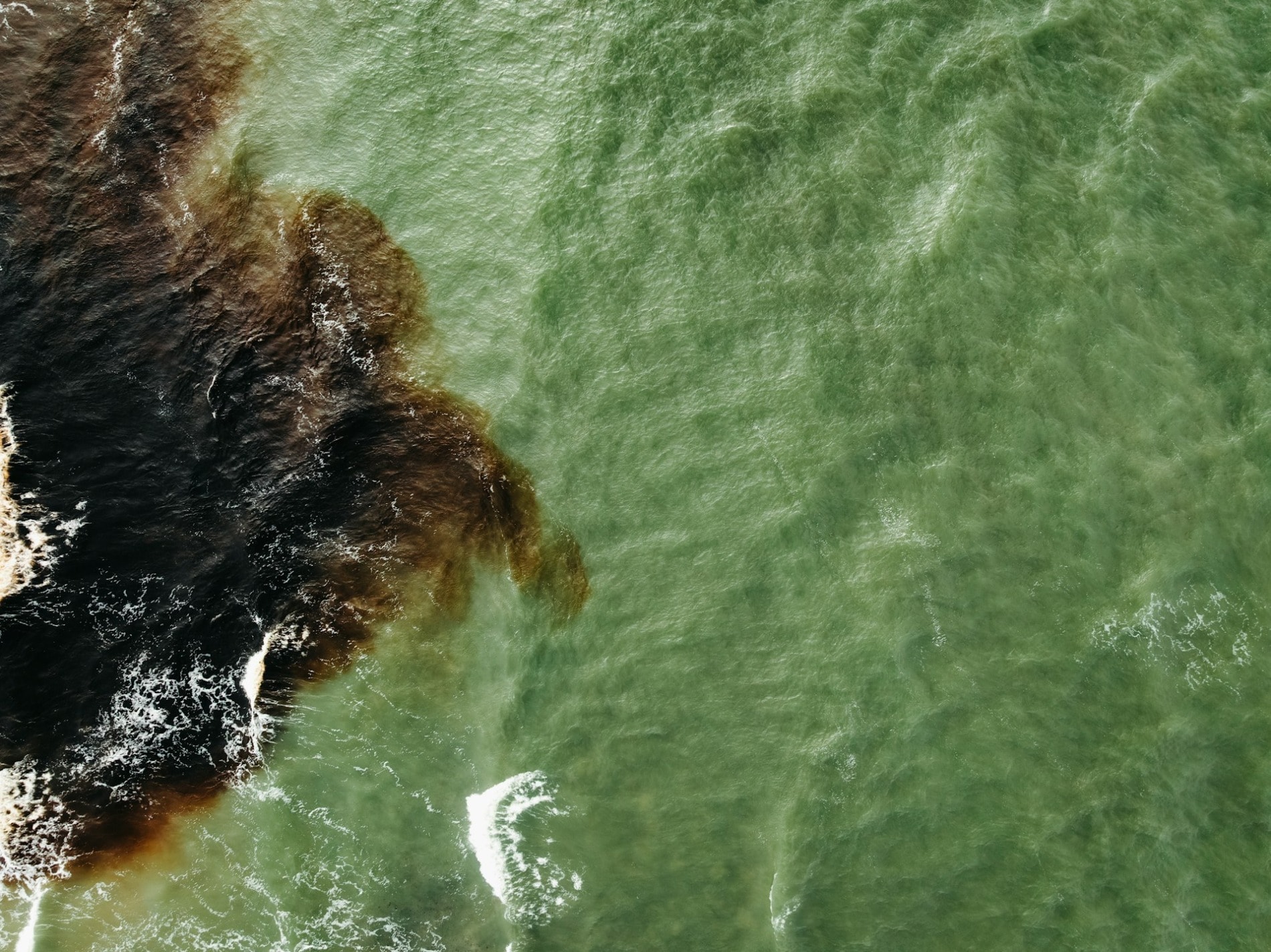
War also affects marine life and our oceans. In 2006, the Jiyeh power plant in Lebanon was bombed during the 34-day war between Israel and Lebanon. The result was approximately 10,000 to 15,000 tons of oil poured into the Mediterranean Sea, killing fish and seabirds alike.
Military sonar mirrors echolocation tactics used by whales and dolphins. The difference: military sonar is loud, causing animals to panic and disrupting communication. Scientists have attributed loud noise pollution in oceans to whales beaching themselves in an effort to escape the noise. There have also been cases of whales’ ears and eyes bleeding, as military sonar reaches 235 decibels.
On March 4, the U.S. destroyed an Iranian submarine off the coast of Sri Lanka. The exploded materials of the submarine slipped into an ocean grave, leaving oil to float on the surface.
Related Articles
Here is a list of articles selected by our Editorial Board that have gained significant interest from the public:
Long-Term Effects
Ukraine, Gaza, Iran. War has been at the forefront of history seemingly since the beginning of time. While thousands of innocent people are killed during wars, the long-term health impacts on survivors and environmental effects are frequently overlooked.
Agent Orange, while used to destroy vegetation during the Vietnam War, still has a lasting impact on the Vietnamese. Walking through the War Remnants Museum in Ho Chi Minh City, visitors are presented with tragic images of civilians born with congenital abnormalities attributed to this poisonous substance.
The U.S. Department of Veterans Affairs accredited certain cancers and some congenital disabilities, such as spina bifida, to Agent Orange use during the Vietnam and Korean wars.
Doug Weir, director of the Conflict and Environment Observatory, when speaking about the current war in Iran, said:
“Piecing together the war’s environmental footprint and its potential impacts on people and ecosystems will be a huge task, and one that grows more complex with every day that the war continues.”
War not only destroys lives and the environment in the present but has lasting repercussions that leave a dark stain on the world.
Editor’s Note: The opinions expressed here by the authors are their own, not those of impakter.com — In the Cover Photo: A bomb is dropped in Gaza. Cover Photo Credit: Mohammed Ibrahim