





Introducing Sound Glow: A Visual Dimension for Audio
Apple’s latest software rollout, HomePod Software 27.2, introduces a significant change to how users interact with their smart home audio ecosystem. Central to this update is the debut of “Sound Glow,” a feature that adds a dynamic lighting element to the touch-sensitive surface of Apple’s smart speakers. Originally unveiled as a flagship component of the HomePod mini 2, Apple has extended compatibility to include the second-generation HomePod and the original HomePod mini.
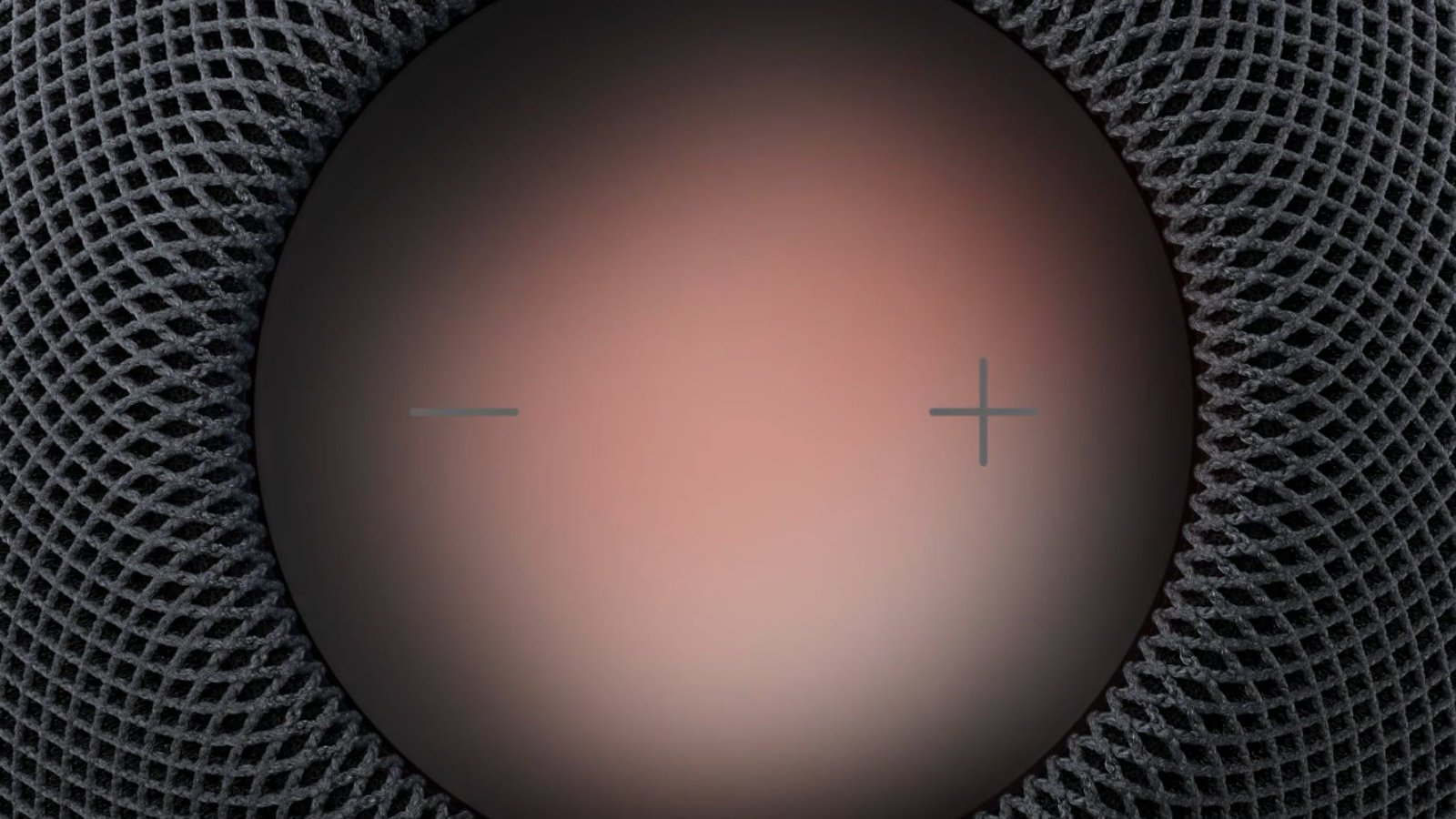
Sound Glow functions by utilizing the glass panel atop the device to emit pulses of color that mirror the rhythm and tone of the audio being played. The system is designed to intelligently extract color palettes directly from album artwork, creating a thematic visual accompaniment for music, podcasts, and ambient soundscapes. This integration bridges the gap between purely auditory playback and atmospheric utility, providing a subtle, non-intrusive light show that enhances the presence of the device in a room.
The feature is currently available in the release candidate version of HomePod Software 27.2 and is expected to reach the general public within the coming week. Users can manage this feature through the HomePod settings menu or directly via the Apple TV Control Center, provided the speakers are paired with an Apple TV unit.
Broadening Hardware Integration and Compatibility
While Sound Glow provides a new aesthetic layer, Software 27.2 also introduces functional upgrades aimed at expanding the role of the HomePod in a home computing environment. One of the most requested features included in this update is native support for assigning HomePods as the default output speakers for a Mac. Previously, utilizing HomePods with a desktop or laptop required manual selection through AirPlay menus, which could sometimes be prone to latency or connection interruptions. By establishing a persistent system-level default, Apple is positioning the HomePod as a viable high-fidelity alternative to standard computer monitor speakers or smaller portable speakers.
Furthermore, the update expands the home theater capabilities of the ecosystem. Users can now leverage the HomePod and the HomePod mini 2 in more sophisticated configurations, specifically utilizing them as discrete surround sound channels for an Apple TV setup. This update refines the home theater experience by allowing for a more modular approach to building a surround system, permitting users to mix and match compatible HomePod models to achieve a more immersive spatial audio effect. It is important to note that these features are hardware-dependent, and the original, first-generation HomePod does not support the Sound Glow functionality, signaling a clear divide between legacy hardware and the current generation of devices.
Enhanced Control and Security Features
Beyond media playback and visual aesthetics, Apple has focused on providing users with more granular control over device interactions. A new “Lock Controls” feature has been implemented, which allows users to disable touch inputs on the top surface of the HomePod.
This inclusion addresses a specific use-case: preventing unintended adjustments to playback volume or track progression. In households with young children or pets, or in environments where the HomePod is placed in a high-traffic area, the touch-sensitive top can often be triggered accidentally. By locking these physical inputs via software, users can ensure that their audio playback remains stable, relying instead on Siri voice commands or the Home app on their iPhone or iPad for adjustments. This provides a necessary layer of security for the device, ensuring that accidental contact does not disrupt a listening session or pause a scheduled routine.
The Evolution of the Apple Smart Home Hub
The arrival of Software 27.2 coincides with a broader shift in Apple’s smart home strategy. As the company continues to iterate on its existing audio hardware, these software updates serve to increase the utility of the devices ahead of upcoming hardware launches. Recent leaks regarding a new Apple TV 4K, an updated HomePod mini, and a potential “HomeView” hub featuring a built-in touch-enabled display suggest that Apple is deepening its commitment to the smart home category.
By unifying these devices through software features like Sound Glow and streamlined default speaker settings, Apple is creating a more cohesive ecosystem. These updates effectively increase the value of existing hardware, extending the lifecycle of current models while preparing users for a more integrated, display-centric future. The ability for the HomePod to act as both a source of ambient lighting and a high-performance audio node indicates that future smart home devices from Apple will likely continue to blur the lines between functional utilities and ambient interior design elements.
As developers and beta testers put the final polish on these features, the focus remains on reliability and the seamless synchronization of audio-visual output. HomePod users can look forward to a more interactive experience that treats their audio gear not just as static speakers, but as active participants in the home environment. As the official release nears, the update stands as a clear indicator of Apple’s direction in smart home technology: making interactions more intuitive, visually expressive, and deeply integrated into the daily workflows of its users.
Disclaimer: This content is auto-generated for informational purposes only.
Source: Read Original News