







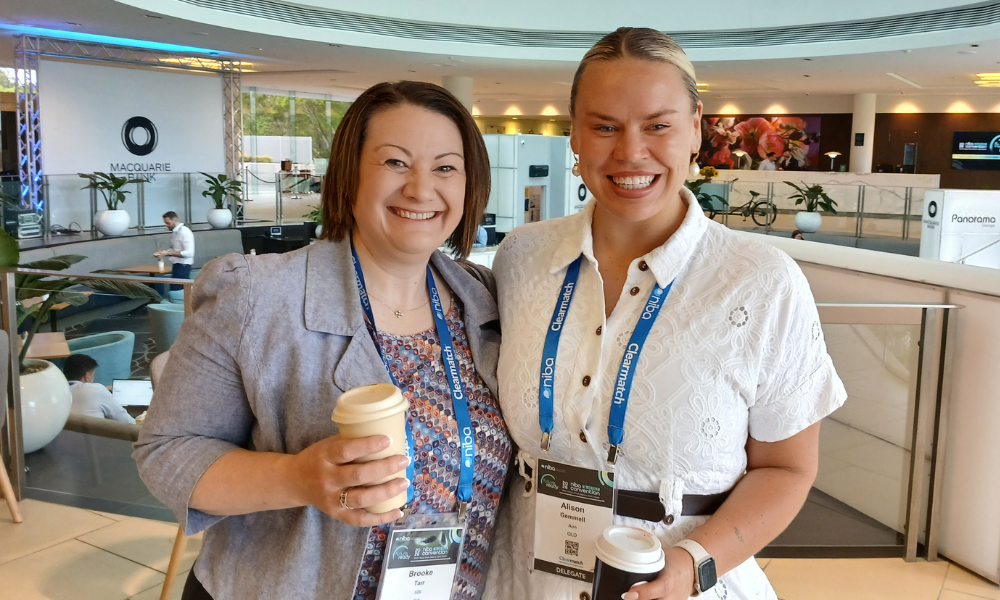
For Australia’s top insurance brokers, the ongoing battle over premium affordability is not a problem that can be outsourced. As the industry prepares for the National Insurance Brokers Association (NIBA) gala on October 20, where the national Broker of the Year will be crowned, two state winners have articulated a unified vision: meaningful change requires a combination of legislative vigilance, rigorous risk management, and a long-term commitment to client relationships.
Alison Gemmell, Aon’s Queensland Broker of the Year, views the affordability crisis through the lens of policy and regulation. According to Gemmell, the interplay between government legislation and market dynamics is a critical, often overlooked factor in how premiums are set.
“The entire industry’s job is to fix the affordability problem,” Gemmell said. She is particularly focused on ensuring that legislative changes—intended to protect consumers—do not create “unintended consequences” that reduce market availability or drive up costs. A primary example is the current debate over the definition of retail versus wholesale clients under the Corporations Act. Gemmell notes that many small businesses fall outside the retail umbrella for critical covers like professional indemnity and cyber insurance, leaving them exposed. While she supports broadening these protections, she warns that brokers must be the ones to carefully weigh the trade-offs between increased regulation and the resulting compliance costs passed on to clients.
Gemmell also pointed to the government-backed cyclone reinsurance pool as a litmus test for market intervention. While the pool has successfully lowered premiums for high-risk coastal properties, it remains a complex mechanism that only covers a small fraction of national policies, leaving others to grapple with rising costs. As authorities consult on new pricing structures for 2027, Gemmell argues that brokers must remain active in advocacy to ensure these systemic shifts stabilize rather than distort the market.
Conversely, Brooke Tarr, KBI’s WA Broker of the Year, approaches the affordability challenge from the ground up, focusing on the individual risk profile of the client. In the mining and resources sector, where she leads operations, Tarr emphasizes that the path to better premiums lies in proactive, preventative risk work.
“Premiums are naturally going to become more affordable if you’re actually doing the work to make the business profitable for the insurers at the same time,” Tarr explained. She advocates for moving beyond transactional insurance placement toward comprehensive risk advisory services. By crafting bespoke programs that genuinely mitigate loss, brokers can help clients leverage softer market conditions, such as the current influx of capacity in the mining insurance sector.
Both brokers agree that insurance is a “long-term play.” Whether through government-backed reinsurance pools or individual company risk management, the goal is to build enough stability into the system to prevent a single catastrophe from triggering widespread repricing.
As Gemmell and Tarr prepare to compete for the national title on the Gold Coast, their shared message to the industry is clear: affordability is not a static state, but a process. It is addressed one law, one risk survey, and one renewal at a time.
Disclaimer: This content is auto-generated for informational purposes only.
Source: Read Original News