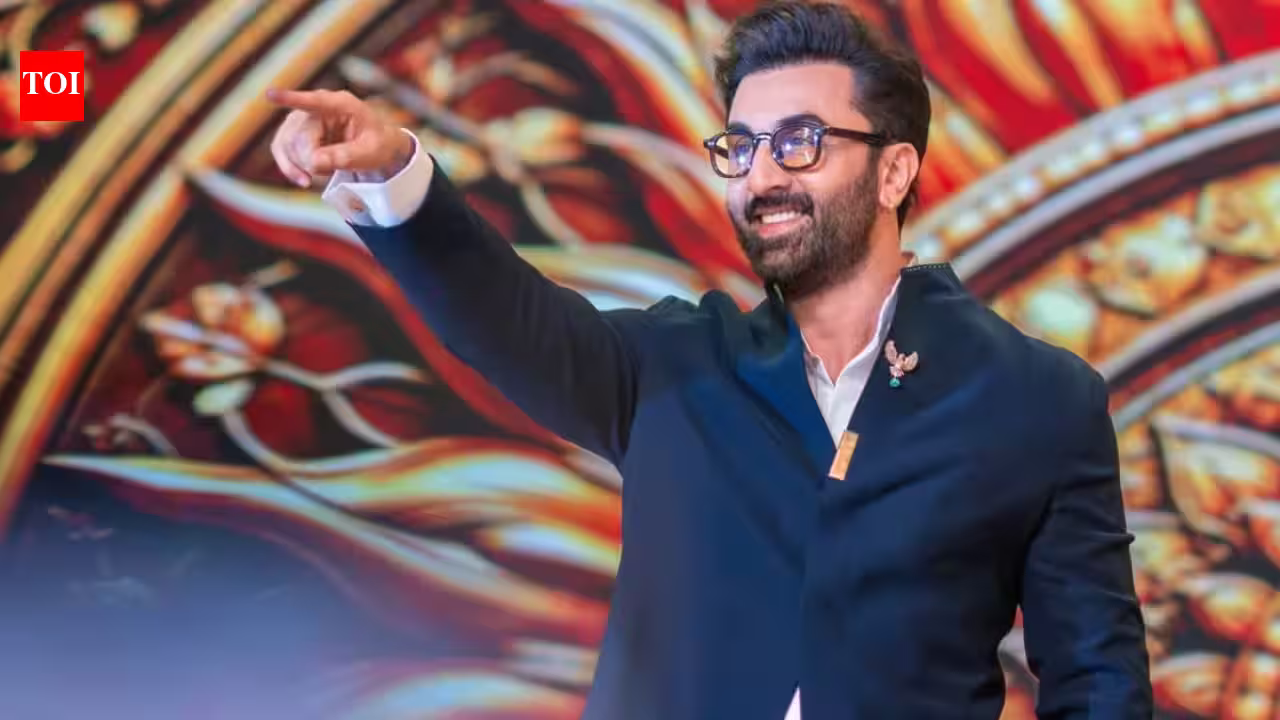







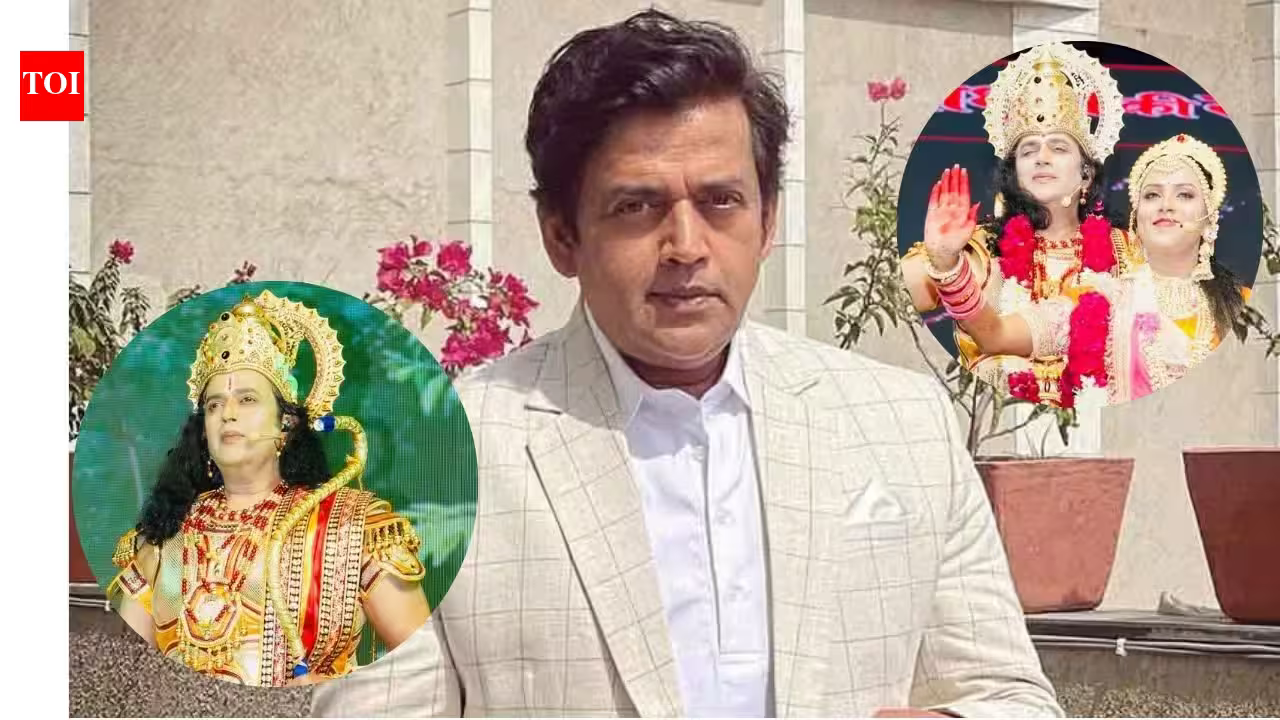
In the heart of the national capital this past Dussehra, the sprawling grounds of Delhi’s ‘Ayodhya Ki Ramleela’ witnessed a performance that felt as much like a homecoming as it did a theatrical debut. Ravi Kishan, the powerhouse actor and sitting BJP Member of Parliament from Gorakhpur, took to the stage to portray the iconic figure of Lord Rama. For an artist who has navigated the glitz of Bollywood, the gritty realism of regional cinema, and the complex corridors of political power, this was not merely another role—it was a full-circle moment rooted in the soil of his childhood.
As he arrived on a grand chariot, the roar of the crowd served as a reminder of the enduring pull of the Ramayana. Yet, for Kishan, the significance of the evening lay in the quiet discipline of the performer and the weight of the character he was tasked with embodying.
From Playing Sita to Lord Rama: A Life in Performance
It is a little-known chapter of his biography that Kishan’s relationship with the Ramleela circuit began long before the cameras of Mumbai found him. Growing up in a village near Banaras, the son of a priest, he was a child of the stage. He recalls with a nostalgic smile that his early artistic expressions were shaped by these very traditions.
“My journey began with Ramleela in Ayodhya, but I had never portrayed Lord Ram before,” he shared with the media. The actor’s resume of mythological roles is surprisingly eclectic—he has played Lord Parshurama and the boatman Kevat. Perhaps most intriguing is his recollection of his earliest days in local theater, where he once stepped into the role of Mata Sita. “I have struggled for many years and played a lot of roles in my career before I achieved success,” he admitted. For Kishan, those early days, where he embraced whatever character was needed to keep the performance alive, were the true fires that forged his dedication. Stepping into the role of Lord Rama now feels less like an acting gig and more like an invocation of his own history.
The Message for the Modern Youth
Beyond the makeup and the stagecraft, Kishan used the platform to speak directly to India’s younger generation. In an era often dominated by fleeting digital trends and the pervasive pressures of modern life, the actor-politician urged youth to look backward to move forward. He advocated for a deeper engagement with the epics—Ramayana, Mahabharata, and the lore of Lord Shiva—not just as historical stories, but as practical toolkits for mental fortitude.
“I urge the youth to read about Lord Ram, Lord Krishna and Lord Shiva,” he said. “Whenever you face depression or difficulties in life, spirituality helps us overcome them.” He speaks from the perspective of someone who has seen the volatility of fame and the fragility of public life. His advice to the youth is consistent: carve out at least thirty minutes a day for meditation. To Kishan, Sanatan traditions are not merely ceremonial—they are a survival mechanism, a way to anchor the soul against the turbulence of the 21st century.
A Growing Trend of Celebrity Myth-Making
Ravi Kishan’s turn as Rama is part of a larger, observable trend where contemporary stars are increasingly bridging the gap between mainstream entertainment and traditional public festivals. He is joined in this trend by figures like Gaurav Khanna, who recently garnered significant attention for his portrayal of Lord Rama at the Janakpuri Mahotsava in Agra. Similarly, actor Shilpa Shinde’s appearance as Sita at a Delhi-based Ramlila highlighted how these centuries-old narratives are being revitalized by high-profile casting.
This infusion of celebrity power into local Ramleelas does more than just sell tickets; it keeps the tradition vibrant and relevant. It signals to a younger audience that the cultural anchors of their heritage are compatible with the world of modern media. For audiences accustomed to seeing these stars in high-definition thrillers or polished dramas, seeing them in the traditional garb of mythological figures creates a unique, communal resonance.
Balancing the Screen and the Stage
While the festive season finds him in the role of a deity, Kishan’s professional calendar remains firmly rooted in the competitive world of contemporary cinema. Fresh off the massive success of the Mirzapur film adaptation—which reportedly grossed over Rs 300 crore worldwide—the actor is not slowing down.
Looking ahead, fans are buzzing about his involvement in Khosla Ka Ghosla 2. The sequel to the 2006 cult classic is one of the most anticipated projects on the horizon, boasting an ensemble cast that includes Anupam Kher, Boman Irani, and Vinay Pathak. Produced by the heavyweights at T-Series and Tandav Films, the project promises to bring that familiar, acerbic, and deeply relatable humor back to the big screen on March 5, 2027.
Whether he is navigating the complex morality of a political career, holding his own against the titans of Bollywood, or standing on a stage in Delhi as the embodiment of an ancient ideal, Ravi Kishan remains a man of the people. His performance in this year’s Ramleela was a reminder that for all the accolades and box-office numbers, his roots remain in the tradition of the storyteller—the one who stands in the center of the circle, holds the audience’s attention, and reflects the stories that define us. As he stepped off the chariot, his message remained clear: in a world of constant change, sometimes the best way to handle the future is to hold firmly to the lessons of the past.
Disclaimer: This content is auto-generated for informational purposes only.
Source: Read Original News