








The Strategic Evolution of Indian Rail Infrastructure
The introduction of the Vande Bharat sleeper train between Bengaluru and Mumbai represents a significant milestone in the modernization of Indian Railways. As one of the most critical economic corridors in the country, the route linking the Silicon Valley of India with the nation’s financial capital has long demanded faster, more efficient connectivity. For years, passengers relying on existing services like the Udyan Express have endured travel times stretching to 24 hours. The proposed Vande Bharat sleeper service, cutting this transit duration to approximately 16 hours, is more than a mere upgrade in speed; it is a tactical response to the shifting demands of modern Indian travelers who prioritize time efficiency and comfort.
This initiative is part of a broader national strategy to bridge the infrastructure gap between legacy rail systems and the requirements of an emerging global economy. By deploying semi-high-speed assets on high-density routes, Indian Railways is effectively reclaiming passenger traffic from both road and air transport. The move signals a transition toward competitive rail travel, where the focus shifts from basic transportation to a value-added service experience.
Technological Advancements and Passenger Experience
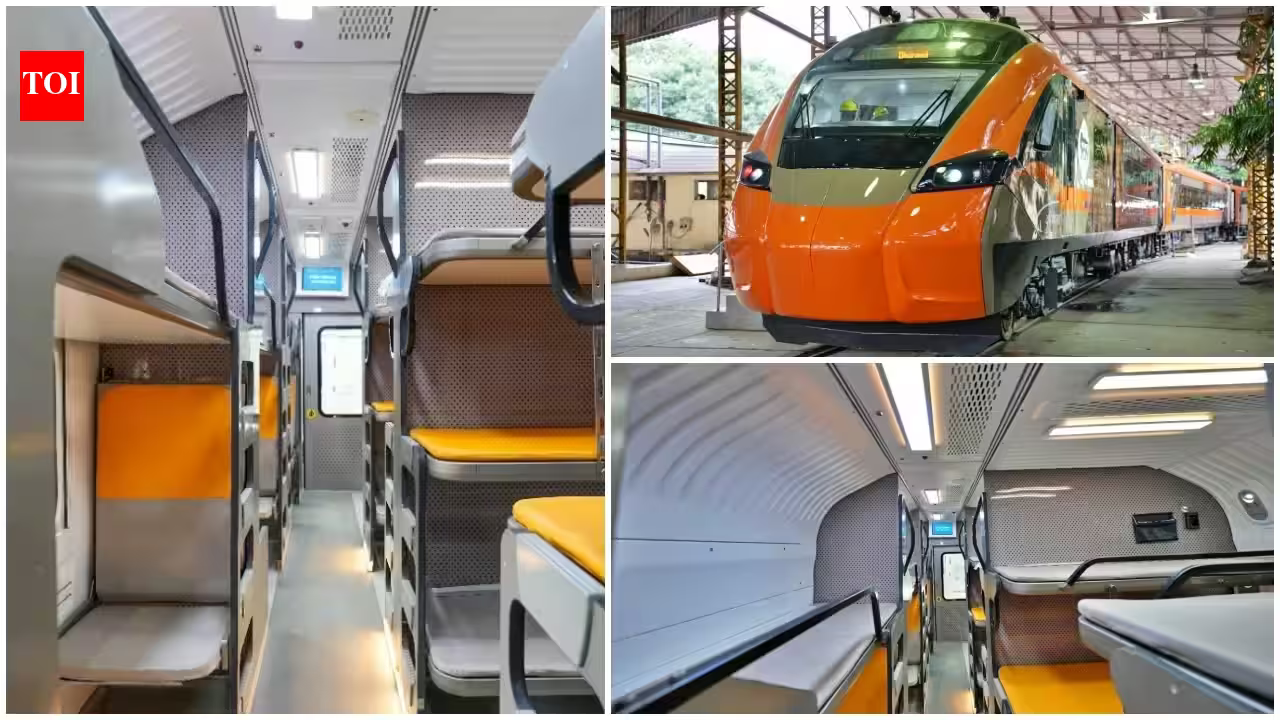
The Vande Bharat sleeper train marks a definitive upgrade over the current Rajdhani Express fleet, which has long served as the benchmark for premium rail travel in India. With a 16-coach configuration—comprising 11 AC three-tier, four AC two-tier, and one AC First Class unit—the train provides a total of 823 berths. The architectural philosophy behind these coaches draws inspiration from European rolling stock, emphasizing ergonomic design and passenger convenience.
The technical specifications are equally noteworthy. Designed for operational speeds of up to 160 kmph, the train includes safety features such as the indigenous KAVACH anti-collision system, which is critical for ensuring passenger security on high-speed corridors. The inclusion of regenerative braking systems not only improves energy efficiency but also underscores the national commitment to sustainable transportation.
Inside the cabins, the focus is on maximizing the utility of space. Redesigned berths, easier access to upper decks, and modular pantry units represent a departure from the cramped, utilitarian layouts of older train sets. The integration of modern amenities—such as hot showers in First Class, bio-vacuum toilets modeled after aviation standards, and centralized coach monitoring systems—positions the Vande Bharat sleeper as a legitimate competitor to domestic short-haul flights. This holistic approach to cabin design reflects a deeper understanding of the professional and leisure traveler’s needs in a modern Indian context.
Economic Impact on Key Industrial Hubs
The Bengaluru-Mumbai corridor is vital for India’s service, manufacturing, and technology sectors. Connecting these two urban centers with a faster, more reliable rail link serves as an economic catalyst. Businesses depend on the seamless movement of human capital, and the current 24-hour rail journey often forces professionals to choose air travel, which carries higher carbon footprints and volatile pricing.
By providing a 16-hour window for the journey, the Vande Bharat sleeper offers a distinct advantage for business travelers who can now finish a workday in Bengaluru, board a train, and arrive in Mumbai by the following afternoon, fully rested. The pricing structure, projected between Rs 2,600 and Rs 4,250, positions the service as a premium middle-ground between budget travel and airfare. This creates a compelling case for corporate travel managers to revisit their transport policies, potentially directing significant volume back to the rail network.
Furthermore, the route covering Anantapur, Guntakal, Raichur, Kalaburagi, Solapur, and Kalyan provides critical connectivity to secondary cities. These nodes, which are seeing significant industrial growth, will benefit from the increased frequency and quality of service. The reliability of this train could foster stronger regional trade and labor integration, as connectivity is the fundamental precursor to regional economic development.
Navigating Operational Challenges
While the introduction of this service is a triumph of design and intent, the implementation faces systemic hurdles. The most prominent challenge is the current status of the Indian rail network. Although the rolling stock is capable of sustained speeds of 160 kmph, the legacy infrastructure, including track geometry and signaling systems, often limits operational speeds to significantly lower levels. Achieving the desired 16-hour travel time requires meticulous scheduling and priority management within a congested network.
Railway authorities must manage the delicate balance of integrating a premium, high-speed asset into a network that still prioritizes the movement of bulk freight and local passenger traffic. The success of the Bengaluru-Mumbai service will be a litmus test for how the national operator manages mixed-traffic corridors. Additionally, the maintenance of such sophisticated technology—from automatic doors to the centralized monitoring systems—requires a higher caliber of technical training for depot staff, marking a significant shift in the operational lifecycle of Indian trains.
Future Prospects and Market Implications
The Bengaluru-Mumbai Vande Bharat sleeper is a pilot project that will likely dictate the pace of future expansions. If the service achieves high occupancy rates and demonstrates consistent reliability, it will serve as a template for other major routes, such as Delhi-Mumbai or Chennai-Hyderabad. The market potential for this tier of rail service is immense, as the Indian middle class continues to grow and demand better living and traveling standards.
By introducing this service, Indian Railways is effectively diversifying its portfolio. It is no longer just a provider of last-resort transportation but an active participant in the premium travel market. The move also puts pressure on private and public road transport to upgrade their own offerings, leading to a healthier, more competitive ecosystem for inter-city mobility.
Ultimately, the Vande Bharat sleeper project is a clear indication that the future of Indian transportation lies in balancing the massive scale of the national network with the high-end expectations of a modernizing economy. As the project rolls out, the primary metrics for success will not only be passenger numbers but also the ability to maintain the high technical standards set during the design phase. For the Indian business sector, this represents a new era of connectivity that promises to minimize transit friction and maximize the efficiency of one of the world’s most dynamic economic corridors.
Disclaimer: This content is auto-generated for informational purposes only.
Source: Read Original News