







Delhi Court Orders Release of ‘Cockroach Janta Party’ Leaders After Week-Long Standoff
NEW DELHI – A local court in the nation’s capital issued an order late Wednesday for the release of two prominent leaders of the “Cockroach Janta Party” (CJP), marking the end of a week-long detention period that had sparked significant controversy regarding the right to protest in India.
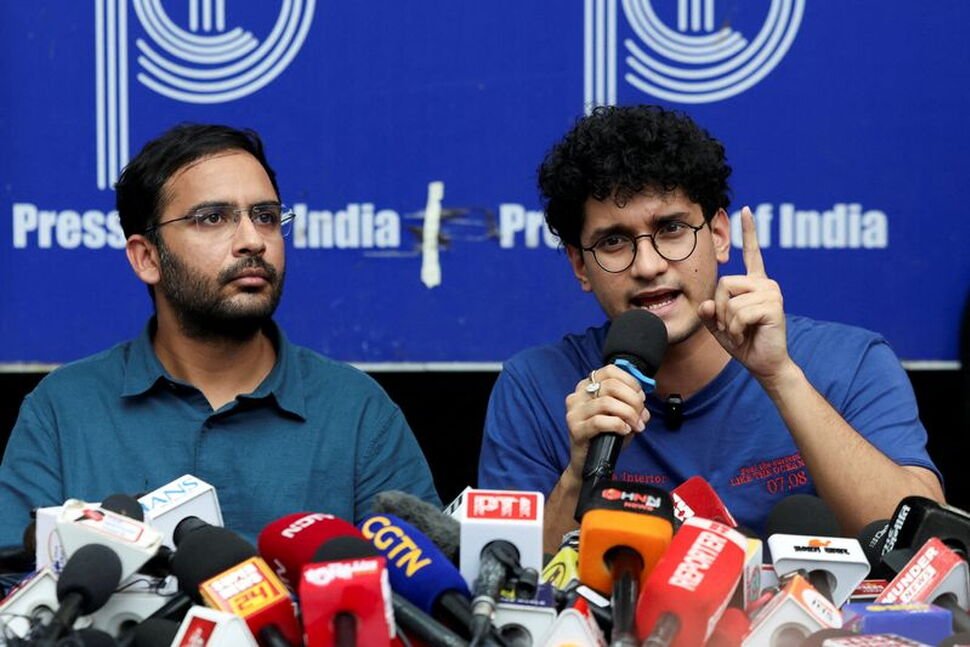
Ashutosh Ranka and Saurav Das were granted relief by the court following their arrest on October 13. The duo had been held in judicial custody after participating in a demonstration at the Jantar Mantar, a historic site in central Delhi that had been stripped of its status as a designated protest zone just one day prior to their arrival.
The Breach at Jantar Mantar
The arrests took place when a group of 14 demonstrators, including Ranka and Das, circumvented police barricades to enter the restricted observatory grounds. Once inside, the protesters unfurled the Indian tricolor and began chanting slogans, vociferously calling for the immediate resignation of Chief Election Commissioner Gyanesh Kumar.
Police intervened swiftly, detaining the group on the spot. A local magistrate subsequently ordered the activists to spend five days in prison. This period was later extended by another two days on Monday, drawing criticism from civil liberty advocates and political observers who viewed the extended incarceration as an overreach.
The movement, led by the youth-oriented CJP, has been at the forefront of a series of demonstrations throughout October. Joined by various opposition parties and left-leaning student organizations, the activists allege that recent revisions to national voter lists have been manipulated to provide an unfair advantage to Prime Minister Narendra Modi’s Bharatiya Janata Party (BJP).
Tensions Over Electoral Integrity
The controversy stems from deep-seated suspicions regarding the Election Commission’s methodology. Protesters claim that the systematic removal of voters from electoral rolls specifically targets opposition strongholds, effectively disenfranchising large segments of the population to bolster the BJP’s electoral prospects.
In response, the Election Commission has maintained a firm stance, categorically denying any bias or favoritism toward any political entity. The Commission stated that the revisions followed standard protocols and emphasized that any citizens who were mistakenly removed from the rolls retain the right to re-enroll their names.
The BJP has dismissed the allegations as baseless, accusing the protesters and opposition groups of intentionally sowing discord. Party spokespeople argued that such demonstrations are not genuine expressions of democratic grievance, but rather calculated attempts to erode public trust in legitimate electoral institutions.
Continued Activism
The detention of the CJP leadership has become a flashpoint for the broader protest movement. Tensions remain elevated in New Delhi, particularly following the separate arrest of CJP founder Abhijeet Dipke last Friday. Dipke was apprehended while attempting to organize an additional rally in the capital but was released by authorities a day later.
As Ranka and Das walk free, the CJP has signaled that its campaign is far from over. The release comes as a victory for the demonstrators, who have vowed to continue their agitation until their demands for transparency and accountability within the Election Commission are addressed. With the capital’s protest landscape increasingly restricted, the coming weeks are expected to see a continuation of the friction between the government and these youth-led movements.
Disclaimer: This content is auto-generated for informational purposes only.
Source: Read Original News