








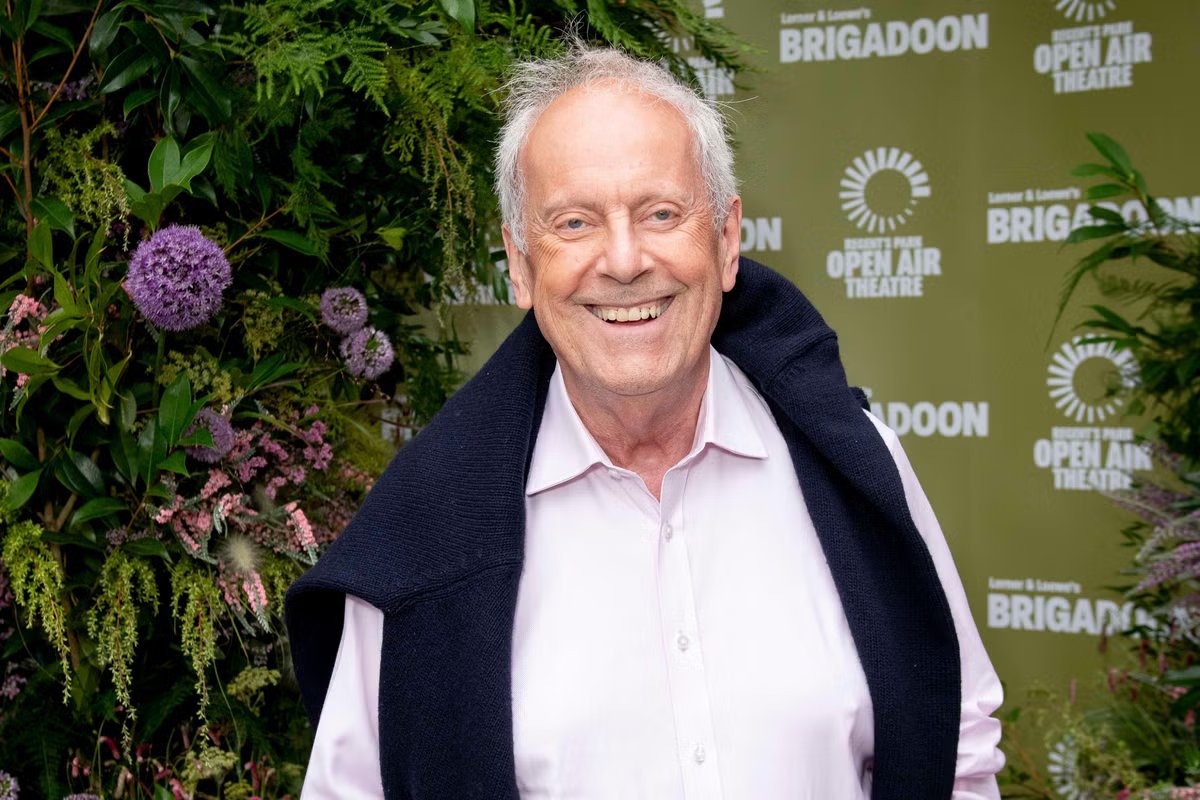
Reaching a century of life sounds like a daunting goal, but for 78-year-old broadcaster Gyles Brandreth, the path to 100 is less about intense medical interventions and more about simple, sustainable habits. Alongside his co-author and physiotherapist, Finola Burrell, Brandreth has distilled years of research and observations into a practical guide. If you want to keep that extra “snap in your celery” as you age, here is how to curate a life designed for the long haul.
Cultivate a Positive Mindset
It turns out that your outlook on life is more than just a personality trait; it is a health factor. Brandreth notes that happier individuals tend to live seven to 10 years longer than those who struggle with a consistently negative perspective. The secret here is to look outward rather than inward. Finding a genuine purpose—something that pulls you out of bed each morning—is essential. Whether it is a career, a creative hobby, or a volunteer role, having a reason to engage with the world keeps the mind sharp. Furthermore, learning to embrace change rather than fearing it acts as a form of mental conditioning. A little bit of “rocking the boat” is good for the soul and keeps you adaptable.
Fuel Your Body with Color and Water
We often hear about the wonders of “Blue Zones”—those regions of the world where people live exceptionally long, healthy lives. A common denominator in these places is a diet rich in plants. The goal is to get plenty of color on your plate. By leaning toward a Mediterranean-style approach—focusing on vegetables, legumes, whole grains, and healthy fats like olive oil while limiting red meat—you naturally support your longevity. Beyond food, hydration is non-negotiable. Brandreth makes a strong case for becoming a self-proclaimed “waterholic.” Staying consistently hydrated is a low-effort, high-reward habit that supports organ function and helps maintain cellular health as the years pass.
Prioritize Restorative Sleep
Sleep is not a luxury; it is the foundation upon which your daily health is built. If your sleep quality is poor, your body struggles to repair itself at a cellular level, which can accelerate the aging process. To get better rest, look at your circadian rhythm. Try to get some natural daylight shortly after you wake up, and keep your evenings quiet by dimming the lights and putting away digital screens. Consistency is the magic word here. By aligning your sleep, wake times, and even your meals to a regular schedule, you signal to your body that it is safe to wind down and recover properly each night.
Stay Connected to People
Human beings are inherently social creatures, and isolation acts as a quiet thief of health. Research indicates that chronic loneliness can lead to significant declines in life expectancy for both men and women. Staying connected is just as important as eating your vegetables or exercising. Make an effort to prioritize communication and relationships. Whether you are part of a community group, a regular at a local cafe, or just someone who makes a point to talk to neighbors, these social interactions protect your health. If you are on your own, look for ways to bridge that gap—your long-term health literally depends on the quality of your connections.
Embrace the Power of Exercise Snacks
If the idea of a grueling gym session makes you want to hide, you are not alone. Brandreth admits that he is not a fan of traditional exercise, but he has found a way around it: “exercise snacks.” These are short, manageable bursts of movement that take no longer to complete than it does to eat a snack. It could be a quick set of squats, a short walk, or some light boxing—anything that gets the heart rate up for a few minutes. The key is to keep moving throughout the day rather than sitting for hours at a time. Consistency beats intensity every single time. By integrating these small movements, you avoid the fatigue of a massive workout while still reaping the benefits of staying active.
Keep Things Simple
The final secret is the most important one: keep it simple. If the prospect of tracking every calorie or hitting a specific heart rate every day feels overwhelming, stop. The goal is to build small, repeated actions that you can actually sustain over decades. Longevity is not the result of a single extreme change; it is the cumulative effect of small, healthy habits practiced over a lifetime. Focus on one or two of these tips, master them, and then add another. By removing the pressure of perfection, you make it much more likely that you will be around to enjoy your hundredth birthday.
Disclaimer: This content is auto-generated for informational purposes only.
Source: Read Original News