







From the UNESCO-listed majesty of At-Turaif to the ultra-luxury promise of Wadi Safar, Diriyah is fast becoming one of the defining destination stories in global travel, where heritage, hospitality, culture and ambition come together at remarkable scale.
Some destinations arrive with noise. Others arrive with substance. Diriyah has both, and that is precisely why the travel world should be paying close attention.
A short drive from central Riyadh, Diriyah holds a place of huge national significance. It is the birthplace of the Kingdom, home to At-Turaif, the UNESCO World Heritage Site at the heart of the First Saudi State, and now the focal point of one of the most ambitious tourism, cultural and lifestyle developments anywhere in the world. Heritage gives it weight. Vision gives it momentum. Together, they create a destination with unusual power.
The scale is formidable. Diriyah’s 14 sq km masterplan is designed to welcome more than 100,000 residents, workers, students and visitors, attract 50 million visits annually in the years ahead, and create more than 180,000 jobs. Nearly 40 luxury hotels are planned, alongside 18,000 residences, including 300 branded homes, 566,000 sq m of retail and F&B, 1.6 million sq m of office space, a university, 16 schools, four healthcare assets and a significant network of cultural landmarks.
Those numbers matter, but they are only part of the story. What gives Diriyah its edge is the coherence of the vision. During the visit, the masterplan presentation from Kiran Haslam, Chief Marketing Officer of Diriyah Company, brought that sharply into focus. Diriyah feels purposeful. The development is rooted in Najdi architecture, Saudi history and the cultural confidence driving Vision 2030. There is a strong sense of identity running through the whole proposition, and in destination building that makes all the difference.
The Gulf has no shortage of major projects, but the ones that resonate internationally tend to share a common quality. They feel distinct. They feel grounded. They have a reason to exist beyond scale alone. Diriyah increasingly belongs in that category.
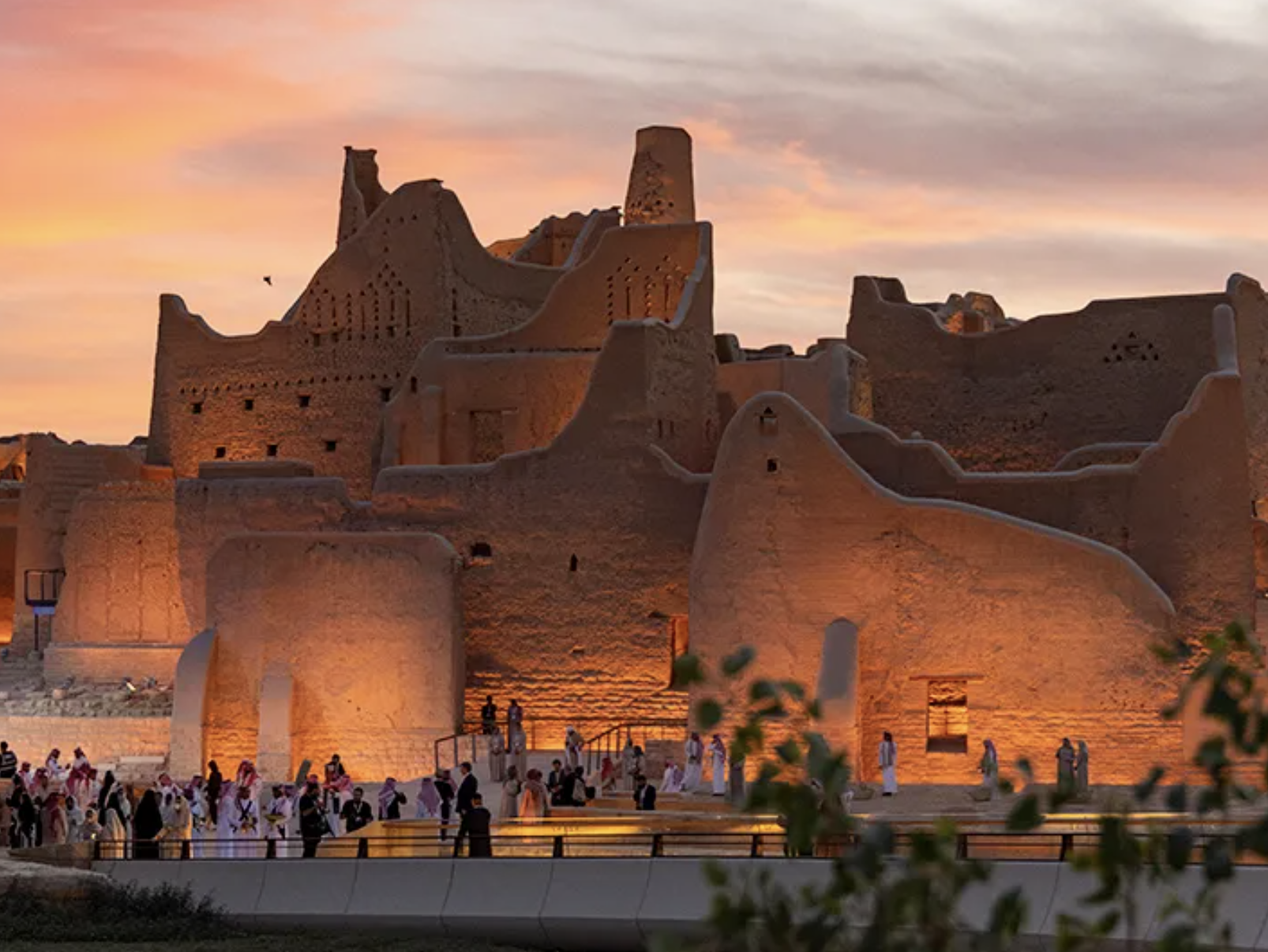
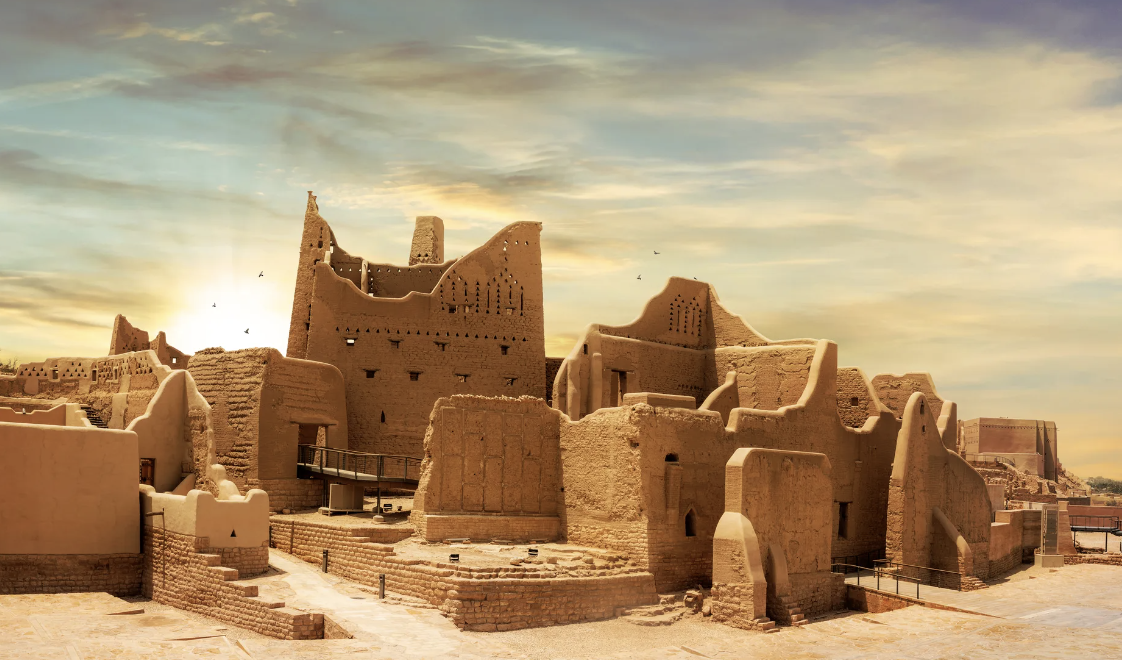
At-Turaif, the emotional centre of the story
Every Diriyah experience should begin at At-Turaif. This is where the destination finds its soul.
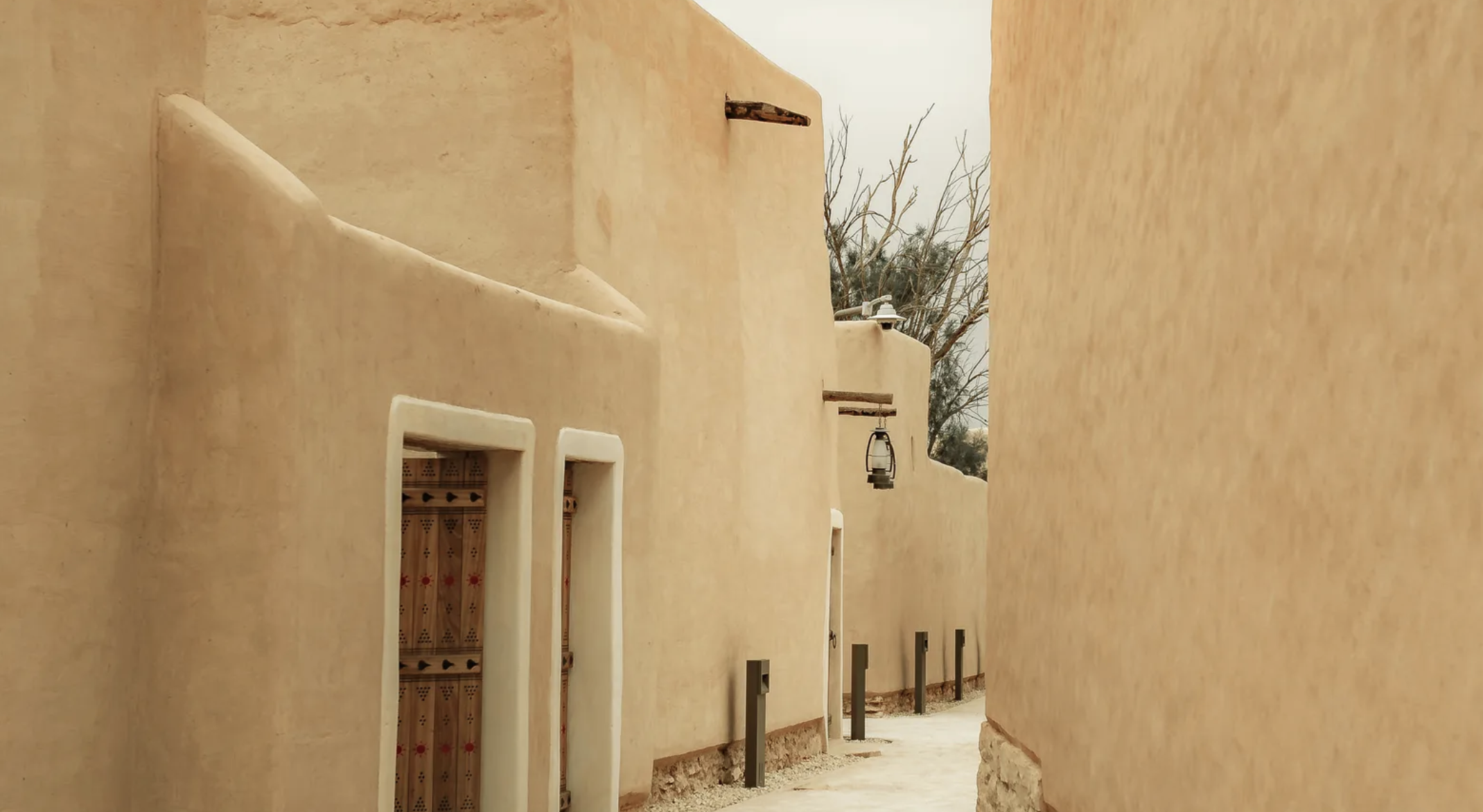
Walking through the UNESCO World Heritage Site, with its mudbrick architecture, layered history and commanding position above Wadi Hanifah, you are reminded that Saudi Arabia’s tourism story is becoming increasingly confident in presenting its origins, not simply its ambitions. At-Turaif gives Diriyah authenticity and emotional force in a region where many new destinations are competing hard for attention.
There is something powerful about starting here. It changes the way the rest of Diriyah is understood. The hotels, retail districts, performance venues and branded residences stop feeling like isolated development components and become part of a bigger narrative, one that links the Kingdom’s past to its future in a direct and compelling way.
For the travel industry, that matters. The strongest destinations today combine world-class infrastructure with a story visitors genuinely want to engage with. Travellers increasingly want more than spectacle. They want context, meaning and a deeper connection to place. Diriyah has that in abundance.
There is a broader lesson here too. Heritage is often treated as a supporting pillar in destination development, something to complement the core leisure offer. In Diriyah, heritage sits at the centre. Everything else grows from it. That gives the destination greater credibility and a stronger long-term foundation.
Dining in Diriyah, local identity with a contemporary edge
One of the clearest expressions of Diriyah’s wider positioning can be found in its restaurants. Food is often where a destination’s confidence becomes most tangible, and in Diriyah the culinary offer says something important about the direction of travel.
Dinner at Somewhere captured that contemporary energy particularly well. It offers a journey through modern Middle Eastern cuisine, blending Saudi influences with wider regional flavours in a way that feels vibrant, social and confidently current. The atmosphere is warm and stylish without trying too hard, and the concept fits neatly with Bujairi Terrace itself, sophisticated, accessible and designed for people who want a sense of occasion without stiffness.
Takya leans more directly into Saudi culinary identity. Heritage recipes are elevated with premium ingredients and polished presentation, creating a restaurant that feels proudly local while remaining highly accessible to an international audience. Saudi cuisine deserves to be encountered as a central part of the visitor experience, and Takya makes that case with real assurance.
Maiz takes a more refined route, turning the flavours of the Saudi kitchen into a fine dining experience with elegant plating, fragrant spice and a strong sense of occasion. It is perhaps the most elevated of the three, but still feels grounded in place rather than over-styled.
Taken together, these venues reveal a lot about Diriyah’s ambition. The dining story here helps express cultural confidence, celebrating Saudi identity while meeting the expectations of an internationally mobile luxury traveller. Great destinations are built not only through architecture and infrastructure, but through the smaller, more sensory moments that shape how a place is remembered. Diriyah appears to understand that well.
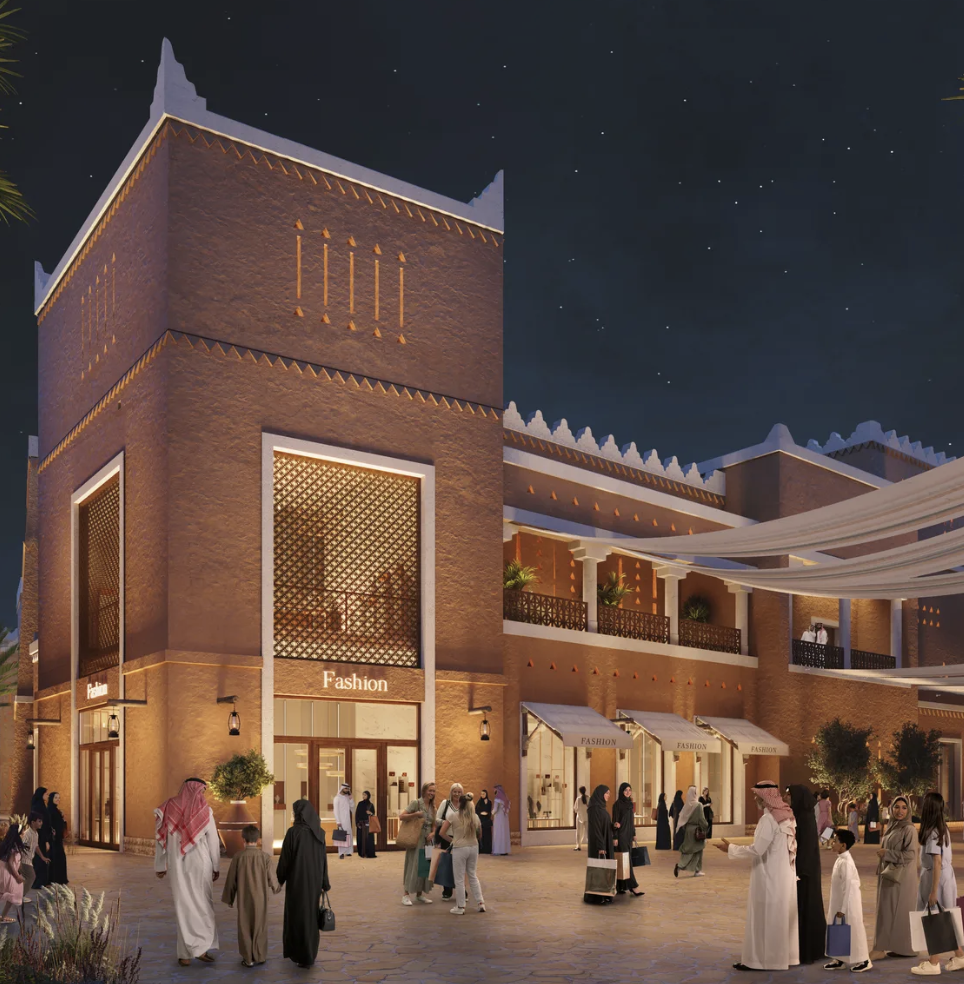
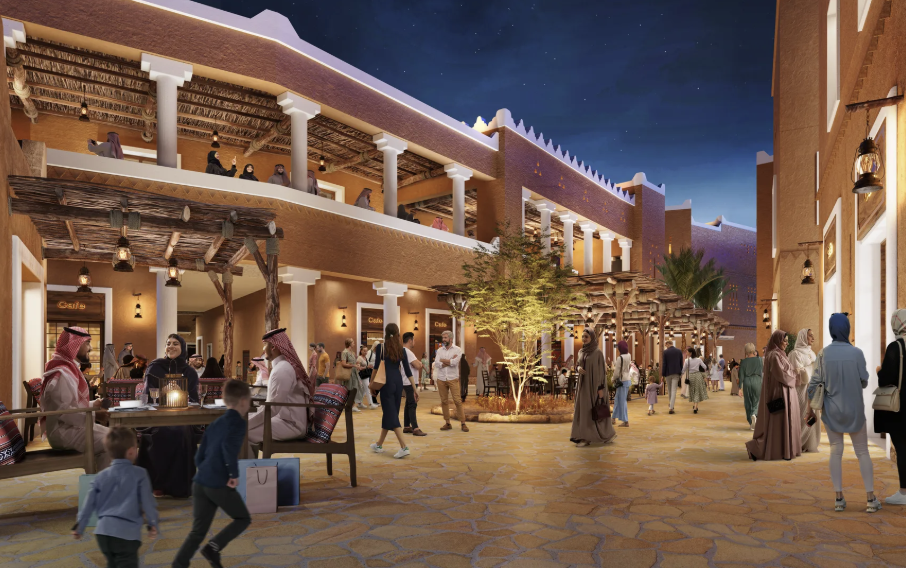
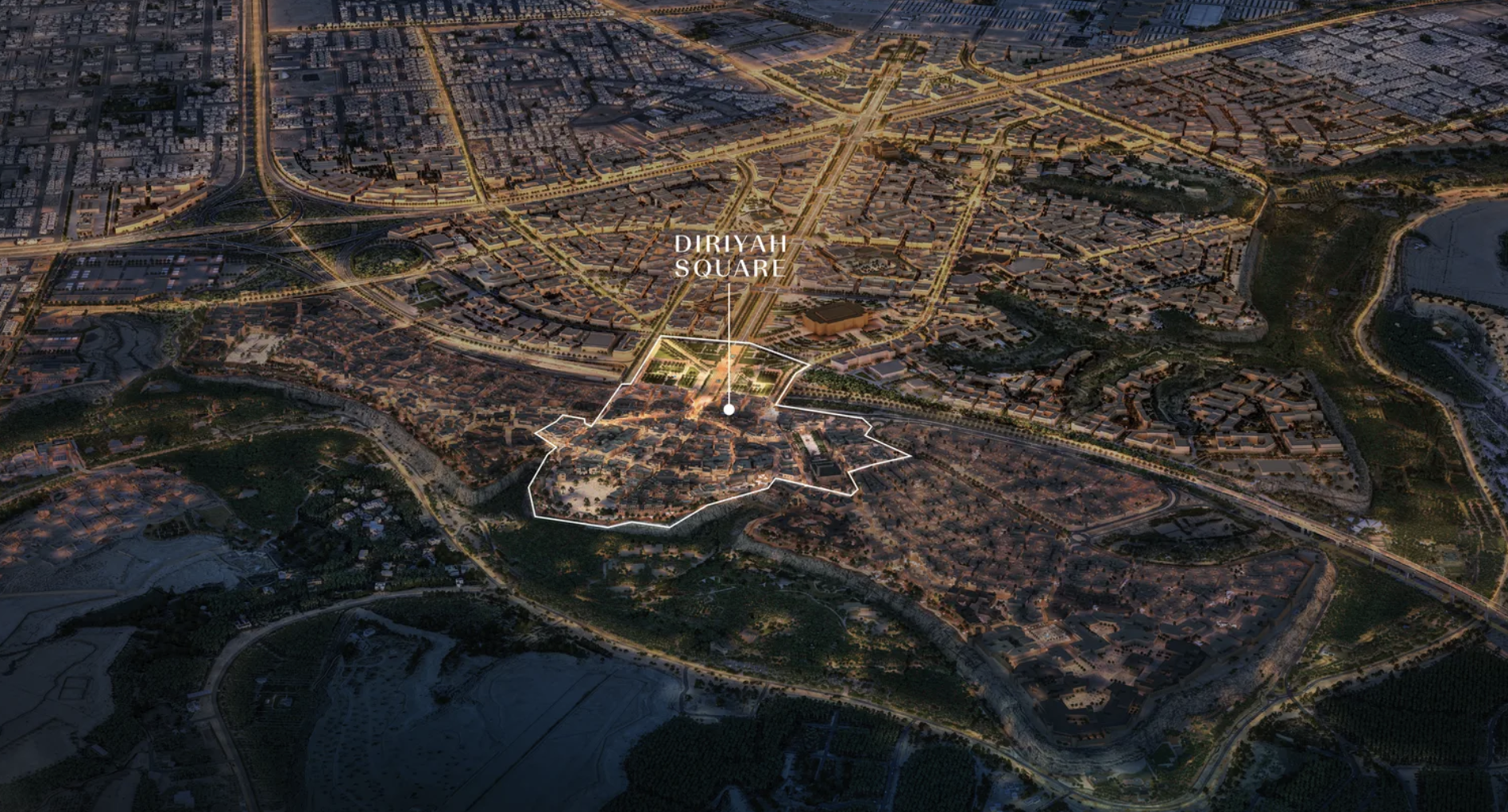
Diriyah Square, the commercial heart of the future city
Retail is often treated as a supporting act in destination development. In Diriyah, it is central to the proposition.
Diriyah Square is being developed as the flagship retail and lifestyle district at the heart of the destination, designed in a walkable Najdi-inspired urban form that integrates shopping, dining and branded residences into the wider visitor journey. Successful urban destinations are rarely built around one pillar alone. They succeed when commerce, culture, hospitality, public realm and everyday life reinforce each other.
That matters because high-spending travellers increasingly want shopping to feel part of a broader cultural and lifestyle ecosystem, not an isolated transaction. The future of luxury retail in destination development is not simply about brand density. It is about atmosphere, context and the quality of the surrounding experience. Diriyah Square appears to understand that.
The district is designed to do more than capture spend. It extends dwell time, supports hotel performance and strengthens Diriyah’s position as a genuine city-break destination within Riyadh. It also points to a larger economic story. Projects like this are urban transformation engines, places where visitor spend, residential value, business activity and cultural programming reinforce each other over time.
Wadi Safar, where ultra-luxury takes on real depth
If central Diriyah expresses the cultural and civic heart of the project, Wadi Safar points to its ultra-luxury future.
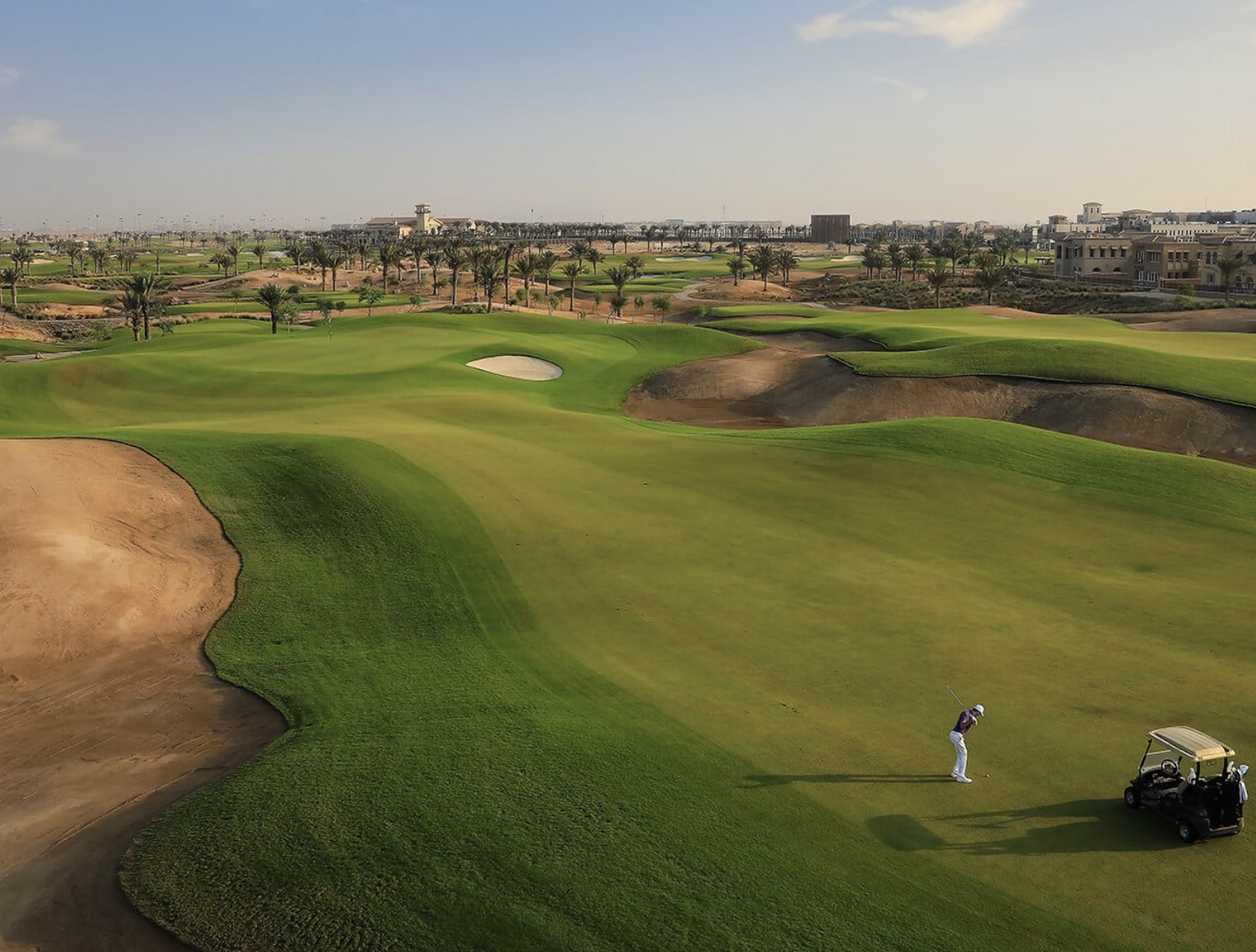
Our tour of the Wadi Safar masterplan and Golf Academy, with insights from Stefan Neuhaus, Chief Development Officer of Wadi Safar, Daniel West, Executive Director, and Nawaf Rajeh, Senior Director of Development & Innovation Marketing at Diriyah Company, revealed a part of the development aiming firmly at the top end of global hospitality and branded residential living.
Luxury here is being built around landscape, privacy, service and access to differentiated assets, including the golf offer and the equestrian and polo facilities. That combination gives Wadi Safar a distinctive position within Saudi Arabia’s hospitality pipeline. It also gives the wider Diriyah proposition greater range. Without Wadi Safar, Diriyah would still be a hugely significant cultural destination. With it, the project extends into the realm of ultra-luxury living and resort-style hospitality in a much more serious way.
What is especially interesting is that the branded residential portfolio does not feel repetitive. Each property appears to have been conceived with a different buyer and a different emotional tone in mind. The best luxury masterplans do not rely on a single definition of premium. They create a portfolio of expressions, different brands, different aesthetics, different ideas of what high-end living should feel like.
Aman Residences, Amansamar
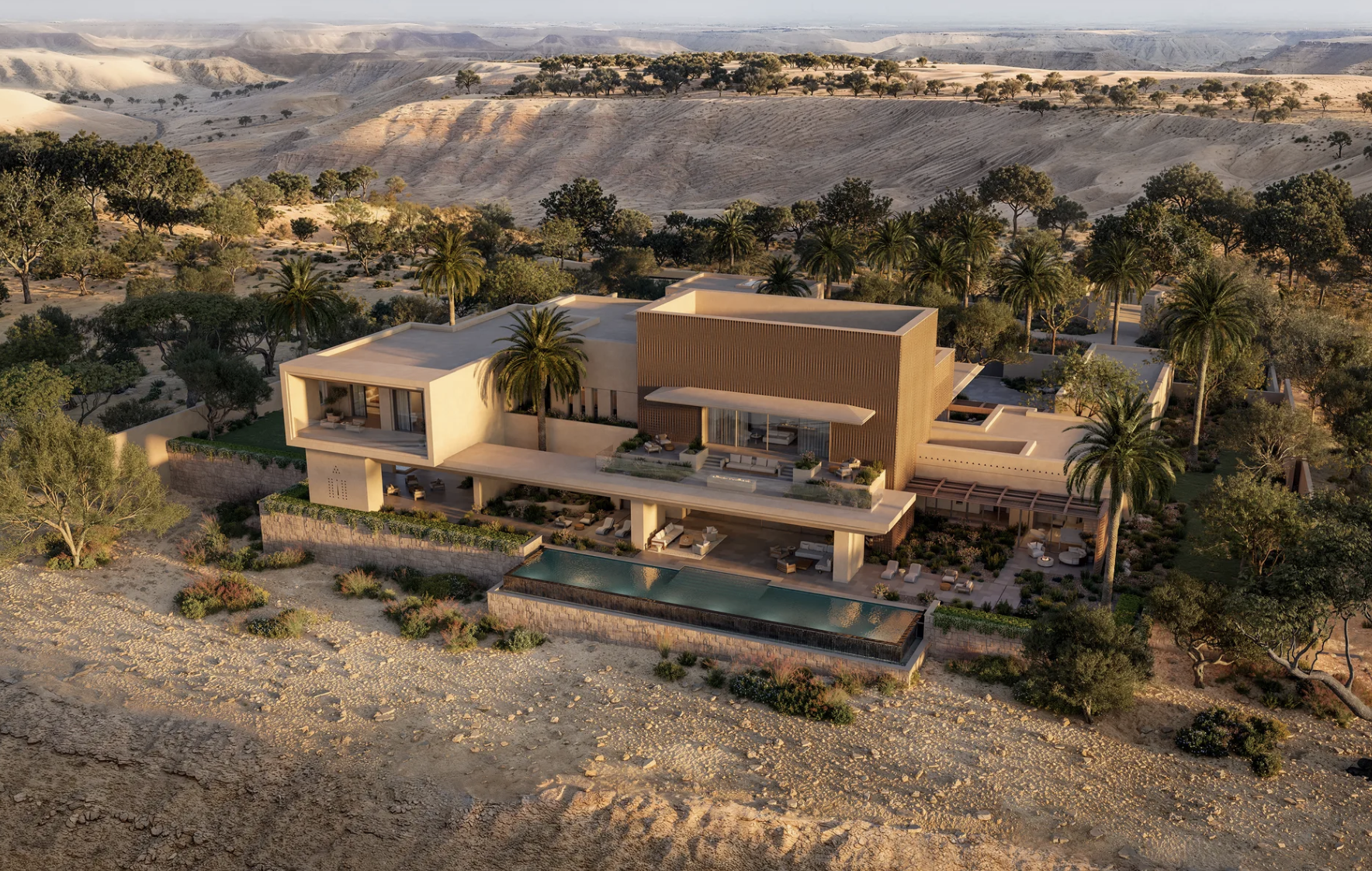
The Aman proposition in Wadi Safar feels especially well judged. Aman Residences, Amansamar comprise a limited collection of five and six-bedroom ultra-luxury villas and private estates, positioned alongside an Aman hotel and shaped around the brand’s signature language of privacy, restraint and immersive calm.
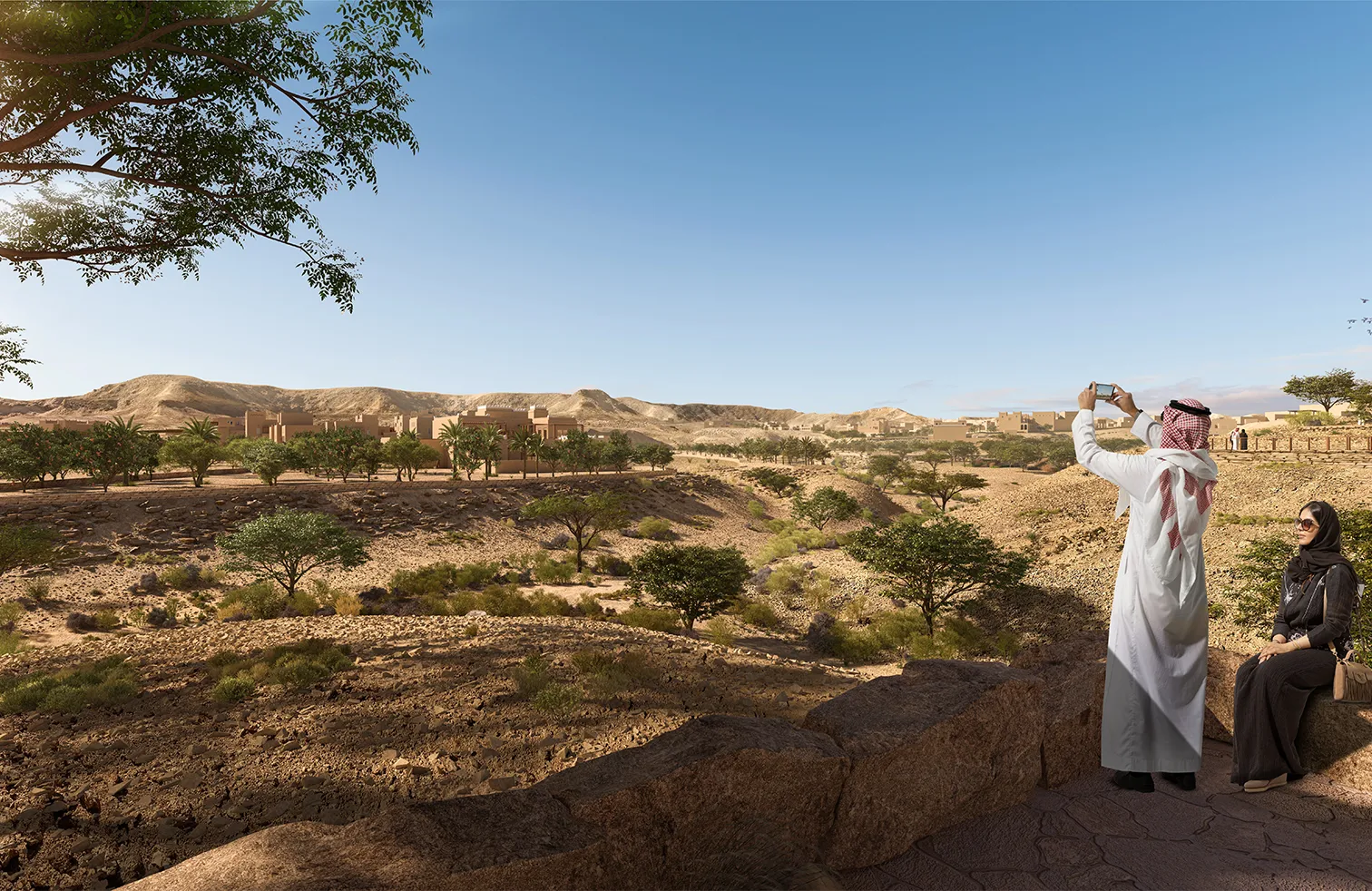
Aman’s global appeal has always rested on its ability to create environments that feel deeply private and deeply considered, where architecture, service and setting work together to produce a sense of escape. That sensibility appears particularly well suited to Wadi Safar. Here, the landscape does much of the work, wide horizons, desert light, and a topography that lends itself naturally to seclusion and contemplation.
Designed by Jean-Michel Gathy of Denniston Architects, the residences are being conceived around panoramic desert views, expansive living spaces and an elevated amenity mix that includes wellness facilities, curated dining, golf, equestrian access and the kind of discreet service Aman is known for globally. Of the Wadi Safar residences, this is perhaps the clearest expression of sanctuary and seclusion. It feels tailored for buyers who place a premium on stillness, space and the rare luxury of understatement.
There is also something particularly resonant about the name Amansamar, which blends Aman’s ethos with the Arabic tradition of evening storytelling. That small detail captures the wider strength of the proposition. It is internationally recognisable, but locally informed.
The Chedi Residences Wadi Safar
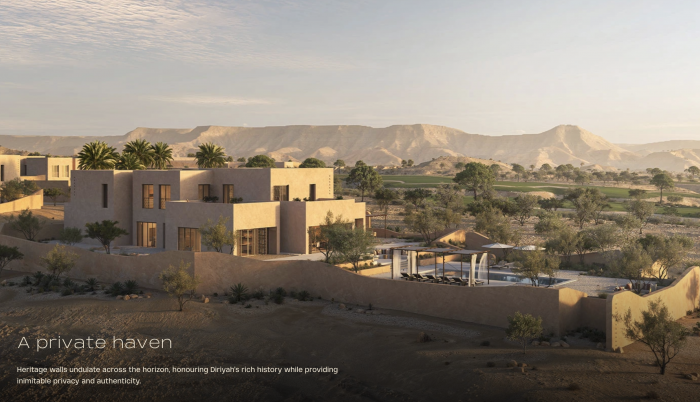
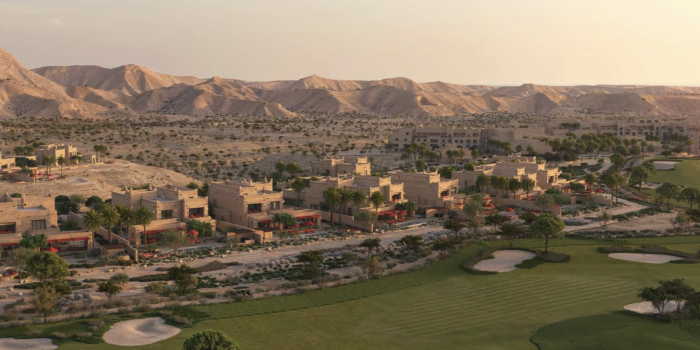
The Chedi Residences Wadi Safar bring a different sensibility, more architectural, more serene, and deeply connected to the landscape. The collection of villas is designed by Bjarke Ingels Group and arranged around the golf course, with a strong emphasis on contemporary form and uninterrupted views.
What stands out here is the interplay between modern architecture and a subtle reinterpretation of Najdi heritage through courtyards, walls and spatial planning that prioritise privacy and stillness. In a development of this scale, it would be easy for branded residences to lean too heavily on international design signatures. The more interesting move is to translate those signatures into something that feels rooted in the destination itself. Chedi seems to be taking that route.
Residents will also have access to the neighbouring Chedi hotel and its wider lifestyle and wellness offering, making this feel like a particularly well-balanced blend of design rigour and resort living. The appeal here lies in calm precision. It feels like a proposition for buyers who appreciate architecture, proportion and the quieter forms of luxury rather than overt display.
There is also something highly effective about the golfside setting. For certain international buyers, that alone will be a major draw, especially when paired with a residential offer that feels more intimate and design-conscious than many traditional golf community propositions.
Faena Residences Wadi Safar
Faena Residences Wadi Safar introduce a more expressive and art-led dimension to the Wadi Safar offer. Developed alongside the Faena Wadi Safar Hotel, the villas bring a stronger sense of theatre, creativity and personality to the destination’s residential mix.
This is the most visually and emotionally distinctive of the branded propositions, with interiors and styling that lean into Faena’s belief that art shapes experience and that luxury should also feel culturally alive. That makes it a valuable addition to the wider Wadi Safar story. High-end destinations increasingly need variety within their premium offer. Not every buyer is looking for the same thing. Some want retreat, some want structure, some want a residence that feels like a statement about taste and identity. Faena squarely addresses that third category.
The attraction here is not only the villas themselves, but the atmosphere around them. There is a stronger sense of energy, more emphasis on creative expression and more of a lifestyle identity that extends beyond pure real estate. It gives Wadi Safar a product with a different emotional register, more vivid, more social and more design-led. In that sense, Faena broadens the destination’s appeal while keeping the luxury credentials firmly intact.
The Oberoi Residences Wadi Safar
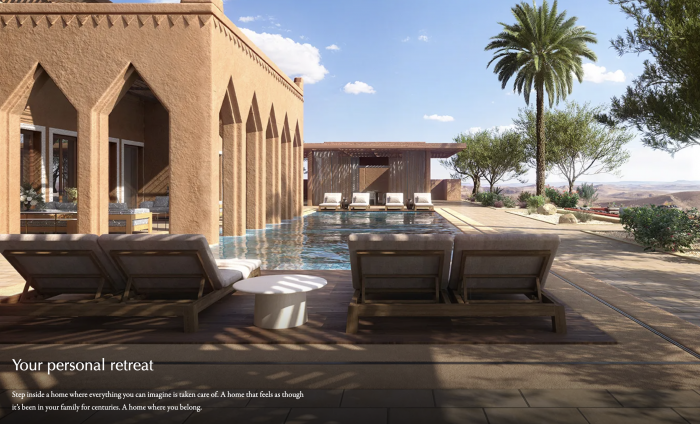
The Oberoi Residences Wadi Safar sit within a more intimate enclave and feel defined by timeless hospitality, generous outdoor space and a quieter, more residential form of luxury. Positioned within the grounds of The Oberoi Wadi Safar, they are designed for buyers seeking privacy, family living and the reassurance of a service-led brand.
If Aman is about rarefied seclusion, Chedi about architecture and Faena about expression, Oberoi feels centred on comfort, grace and consistency. The defining feature here is discretion. Residents are promised access to hotel restaurants, spa and leisure spaces, alongside proximity to the wider golf and equestrian offer. Oberoi’s framing of the residences as a personal retreat feels apt. Luxury here comes through care, calm and comfort rather than spectacle.
That matters because not all luxury buyers want the same kind of intensity. Many are looking for homes that feel elegant and well supported, but also liveable. Oberoi seems to understand that balance particularly well, giving Wadi Safar a softer, more residential offer within the broader ultra-luxury mix.
Culture and entertainment with long-term intent
One of the most impressive aspects of Diriyah is the seriousness of its cultural infrastructure.
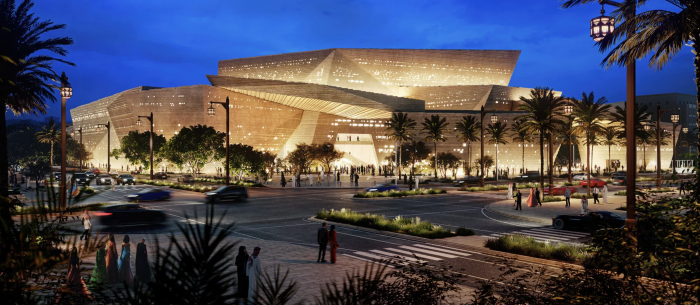
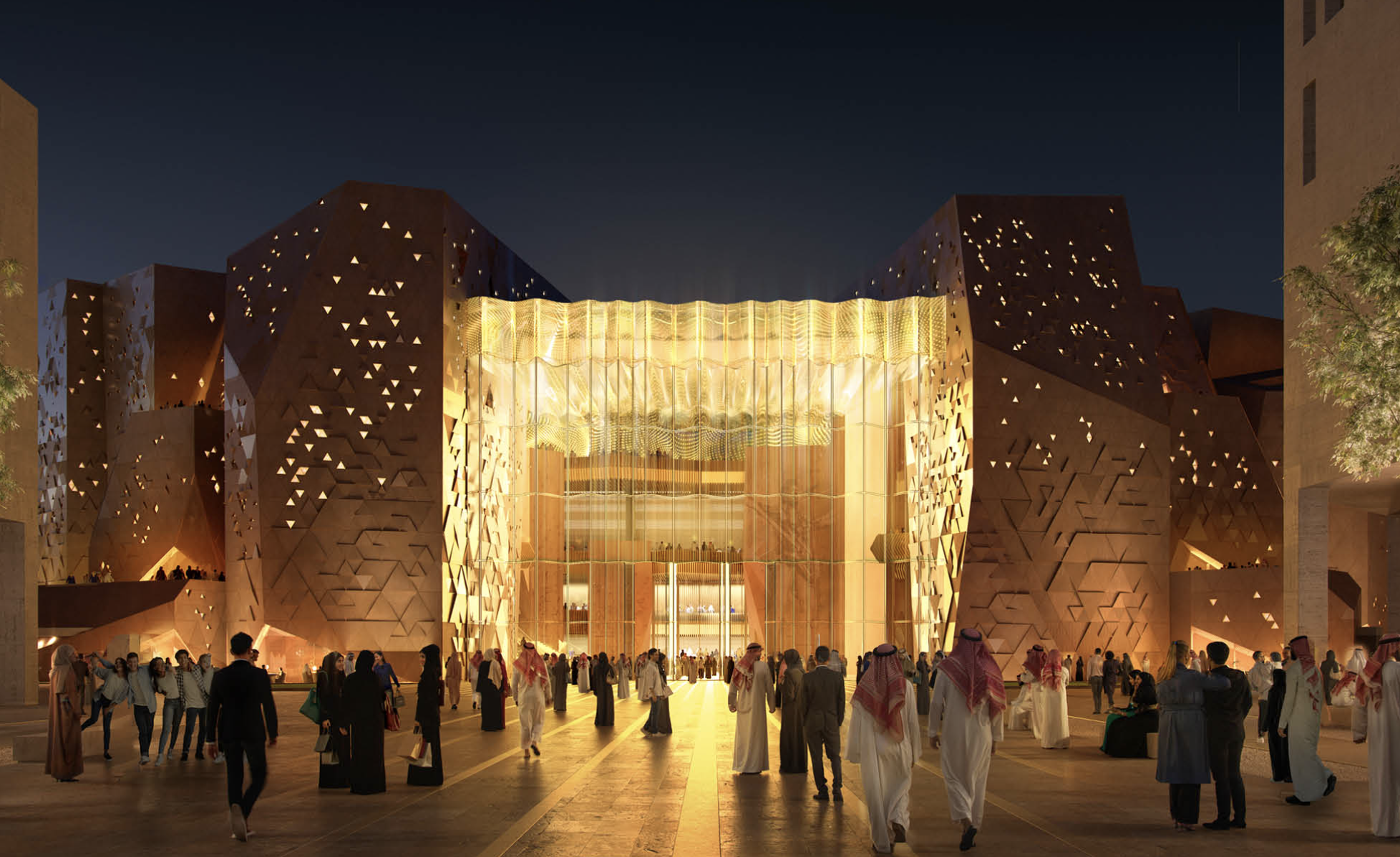
The Diriyah Opera House is set to become the nation’s largest and most advanced performing arts venue, while the Diriyah Arena will anchor major live events, international sport and large-scale cultural performances within the destination.
Together they speak to a project that understands tourism is strengthened by year-round reasons to visit, not simply beautiful places to stay. Strong destinations need programming. They need events, cultural calendars, moments of anticipation and repeat reasons to travel. Diriyah appears to be building that logic in from the start rather than adding it later.
Then there is Diriyah Art Futures, the region’s first centre dedicated to new media arts, developed with the Ministry of Culture. It adds a future-facing dimension to the destination’s cultural proposition, broadening the story beyond heritage into digital creativity, experimentation and contemporary artistic exchange.
This is a particularly smart move. Heritage gives Diriyah depth, but institutions like Diriyah Art Futures give it relevance in the present tense. They position the destination not only as a custodian of history, but as a participant in contemporary cultural production.
The inclusion of Sotheby’s Origins II, with its programme of talks exploring Saudi artistic legacies, modern Arab art, American Pop Art and the work of masters including Picasso and Roy Lichtenstein, only reinforces Diriyah’s growing confidence as a cultural platform with genuine international reach.
Bab Samhan, hospitality with a strong sense of place
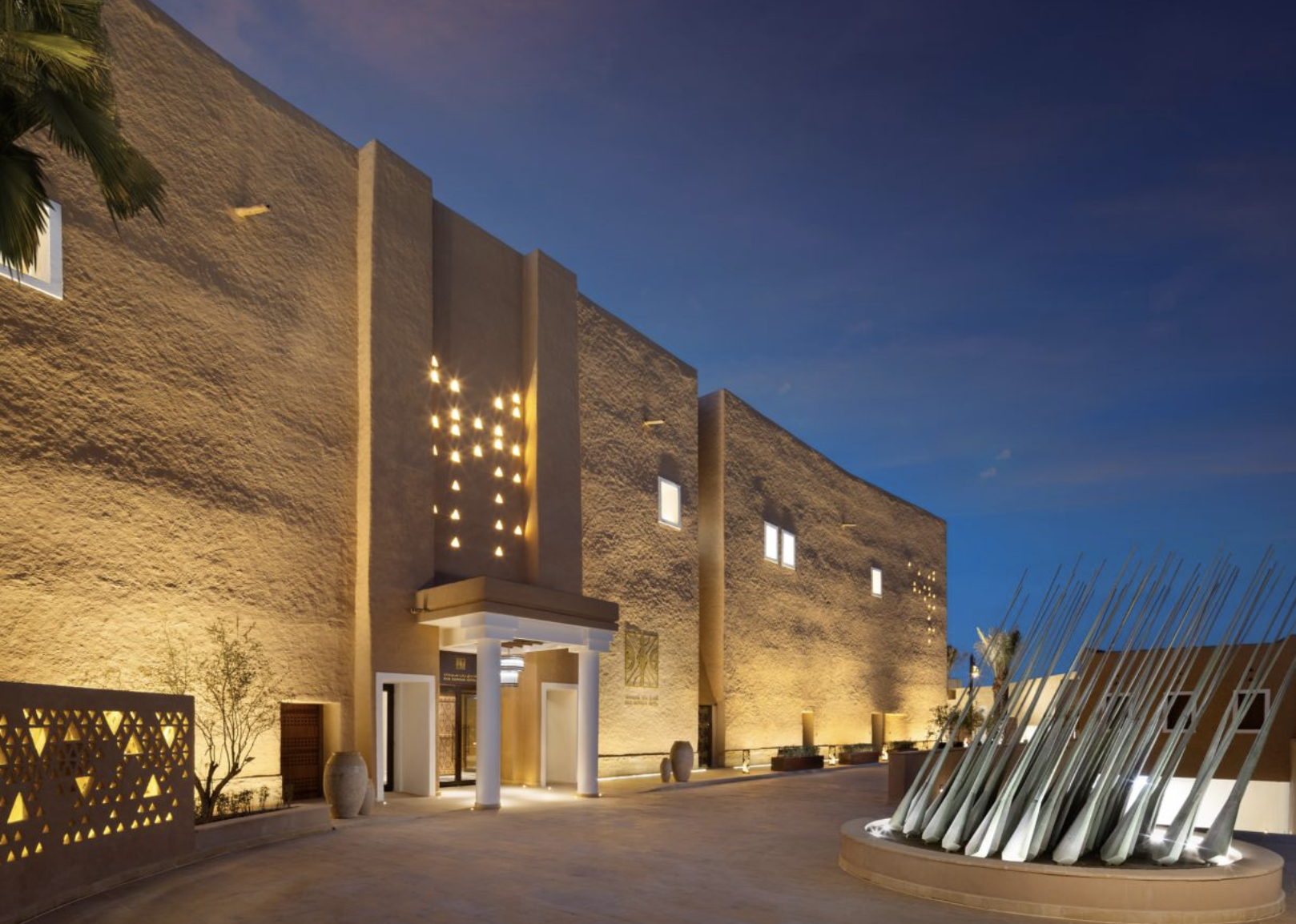
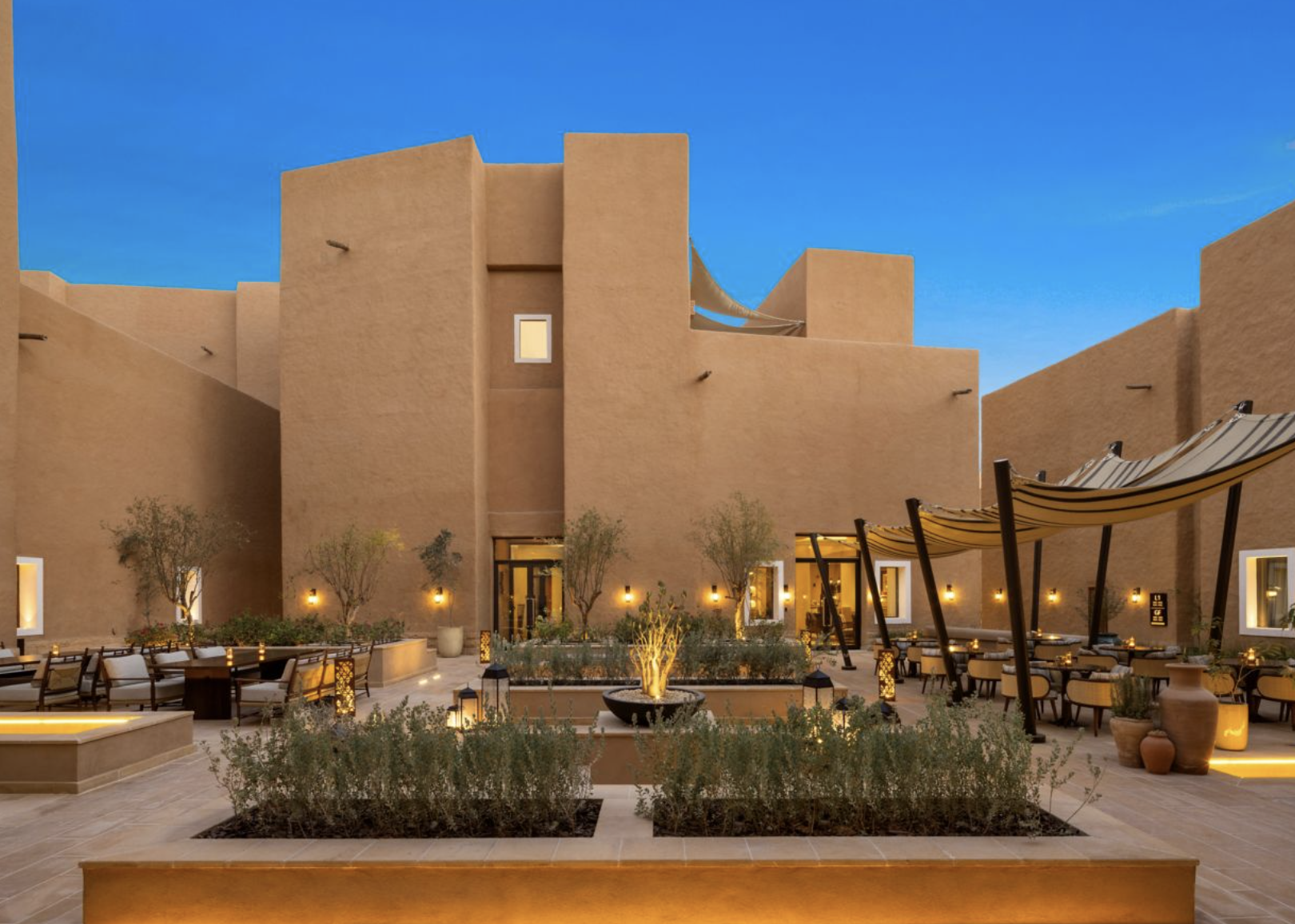
Among the hospitality highlights, Bab Samhan, a Luxury Collection Hotel, stands out for the clarity of its concept. It draws directly on Najdi heritage and local storytelling, blending traditional character with contemporary luxury in a way that feels authentic rather than applied.
That sense of place is becoming one of Diriyah’s strongest assets. In a global hotel market crowded with polished but interchangeable luxury, properties that feel genuinely of their destination have a growing advantage. Bab Samhan appears to understand that, offering an experience that connects guests to the identity of Diriyah rather than simply giving them a high-end place to stay.
For Saudi tourism, that matters. One of the key questions has always been whether new hospitality can feel distinctive enough to cut through globally. In Diriyah, the answer increasingly looks like yes.
A destination the travel world needs to watch closely
For all the headline numbers, what makes Diriyah so compelling is that it already feels joined up.
The heritage is real. The visitor experience is tangible. The hospitality pipeline is formidable. The retail and entertainment offer is being built with clear intent. Most importantly, the whole project feels aligned to a broader national direction rather than operating in isolation. There is shape to it. There is confidence to it. There is purpose.
Saudi Arabia has no shortage of major tourism developments, but Diriyah holds a different kind of advantage. It brings together history, national identity, urban placemaking, cultural programming and luxury hospitality in one destination with genuine global potential. It draws authority from the Kingdom’s past while helping define the way Saudi Arabia wants to present itself to the world in the years ahead.
For travel leaders, investors, hoteliers and destination strategists, Diriyah deserves close attention. Projects of this scale are impressive. Projects of this scale with meaning are much rarer. That is what lifts Diriyah above the noise.
For visitors, it promises something even more valuable, a chance to experience the story of Saudi Arabia where it began, and to see how confidently that story is now being carried forward.
By Justin Cooke