






A coalition of small business owners in Cary is sounding the alarm, demanding greater transparency from local government and state transportation officials regarding an $84 million railroad safety project that threatens the future of their establishments. The group is scheduled to address the Town Council Thursday night to voice concerns over potential forced relocations and long-term economic disruption.
While the affected merchants acknowledge the critical importance of rail safety, they argue that the current communication from the North Carolina Department of Transportation (NCDOT) has left them in a state of precarious uncertainty.
## The Intersection of Safety and Survival
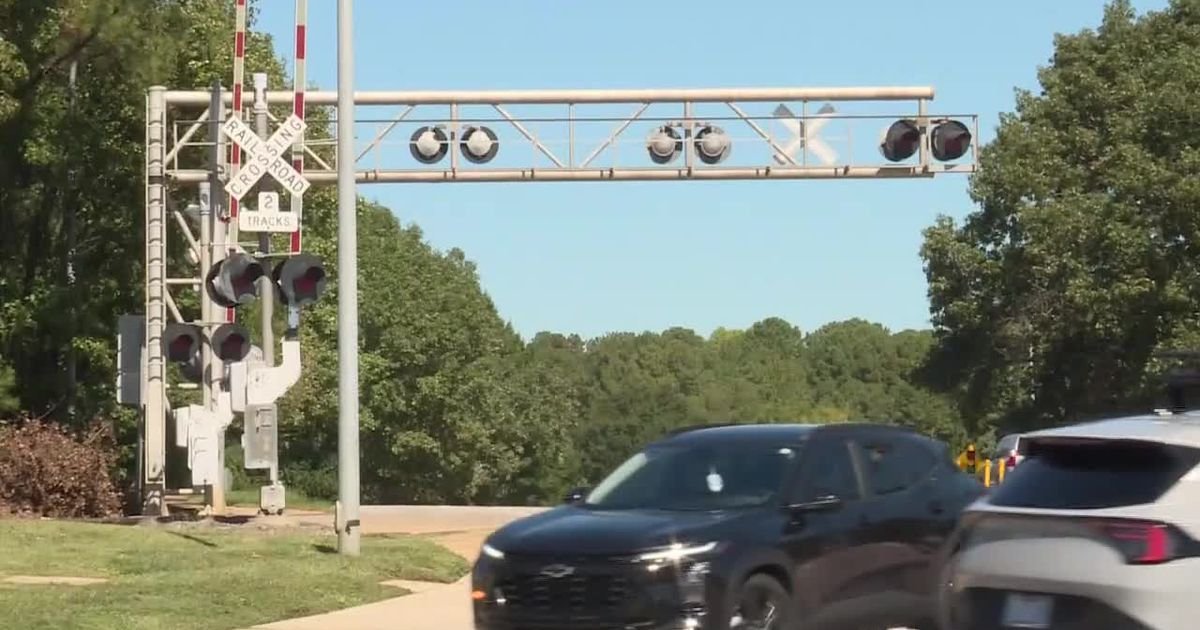
The proposed infrastructure initiative involves routing Northeast Maynard Road beneath the railroad tracks near East Chatham Street. The project aims to eliminate the existing at-grade crossing, which has been the site of multiple high-profile accidents, including a 2014 fatality and a 2026 collision involving an Amtrak train.
While the objective is to improve traffic flow and commuter safety as part of the state’s broader “Sealed Corridor Program,” the human cost is mounting. Estimates suggest that dozens of local businesses—including longtime staples like Cooper’s Furniture, which has operated since 1949, and community hubs like Patel Brothers and The Sea Depot—could face displacement.
## Leveraging Digital Tools for Public Advocacy
As the project moves toward a potential property acquisition phase in 2027, the coalition is utilizing modern digital tools and public platforms to bridge the information gap. The business owners are calling for an integrated approach to project management that mimics the transparency found in the best civic-tech initiatives.
By coordinating through online portals and public comment systems, the business owners are challenging the NCDOT to provide clearer, data-driven assessments of how construction will impact logistical access for their customers and delivery fleets. They are urging officials to utilize modern spatial planning tools to provide better clarity on which specific parcels will be impacted, as current assessments remain vague and based on outdated 2018 conceptual designs.
The coalition has formalized their demands, seeking:
* A transparent, updated audit of businesses within the impact zone.
* The public release of all recent traffic impact reports and environmental studies.
* A collaborative task force consisting of NCDOT, town officials, and business owners to navigate relocation logistics.
* Concrete mitigation plans to ensure customer access remains viable throughout the multi-year construction window, which is projected to begin in 2030.
## Navigating Local Government Response
Cary Town Council members have acknowledged the growing frustration. Councilwoman Sarika Bansal expressed empathy for the merchants, noting that while the final authority rests with the NCDOT, the council serves as an essential advocate for the small businesses that define the town’s character.
For many business owners, this is a fight for the future of their livelihood. “How do we create progress that doesn’t erase the small family business?” asked Li-Chun Young of The Sea Depot.
For those impacted or concerned about the project’s trajectory, the NCDOT has opened a formal feedback window through October 27. The state is encouraging stakeholders to submit their concerns via the official NCDOT project page or through their dedicated feedback line, using project code 7714. As the town prepares for Thursday’s meeting, the pressure is on for both local and state leaders to prove that municipal growth does not have to come at the expense of the established community.
Disclaimer: This content is auto-generated for informational purposes only.
Source: Read Original News