








The air in the Indian film industry is thick with anticipation, and for once, the noise isn’t just coming from the usual marketing machinery. As we inch closer to November 5, 2026, the date Nitesh Tiwari’s magnum opus Ramayana: Part 1 is set to reshape the landscape of mythological epics, the digital rumor mill has hit a fever pitch. In an era where a single viral post can dictate the opening weekend trajectory, the recent, albeit mysterious, leaks regarding an early screening have sent fans into a speculative frenzy.
The Viral Spark: Emotional Resonance or Clever Marketing?
It started with a now-vanished social media thread—the kind that vanishes into the ether just as it begins to dominate the conversation. A user claiming to have attended a private screening of the English-dubbed version of the film ignited a firestorm, describing a cinematic experience that reportedly tugged at the heartstrings in ways few modern blockbusters manage.
The anonymous viewer didn’t just offer a generic “thumbs up.” Instead, they pointed to the film’s emotional core, claiming that the weight of the narrative—the sacred struggle of Lord Ram, brought to life by Ranbir Kapoor—was sufficient to move audience members to tears. In a market often obsessed with gravity-defying action sequences and VFX spectacle, the promise of “emotional storytelling” is a potent hook. If the word of mouth holds any water, Tiwari seems to have prioritized the human soul of the epic over mere grandiosity, potentially bridging the gap between historical reverence and modern blockbuster sensibilities.
Scaling the Heights: Lord of the Rings and RRR Comparisons
Perhaps the most provocative element of these early whispers was the inevitable comparison to the titans of global cinema. When you are adapting the Ramayana, you aren’t just competing with other Bollywood films; you are competing with the world’s most celebrated mythic narratives. The comparison to The Lord of the Rings: The Two Towers suggests a level of production design and world-building that feels immersive, textured, and perhaps a bit grittier than we’ve seen in previous Indian iterations of the story.
However, the conversation wouldn’t be complete without the shadow of S.S. Rajamouli’s RRR looming in the background. The leak sparked a fierce debate: Does Ramayana match the kinetic, high-octane ambition of the RRR universe? Some critics in the thread suggested that while the emotional beats are landing, the sheer scale of the action might be different in nature. Whether this means Ramayana is a more grounded drama or simply a different stylistic beast remains the subject of intense debate. It is a testament to the audience’s high bar that anything less than a revolutionary spectacle is being parsed with such microscopic scrutiny.
The Yash Factor: A Ravana for the Modern Age
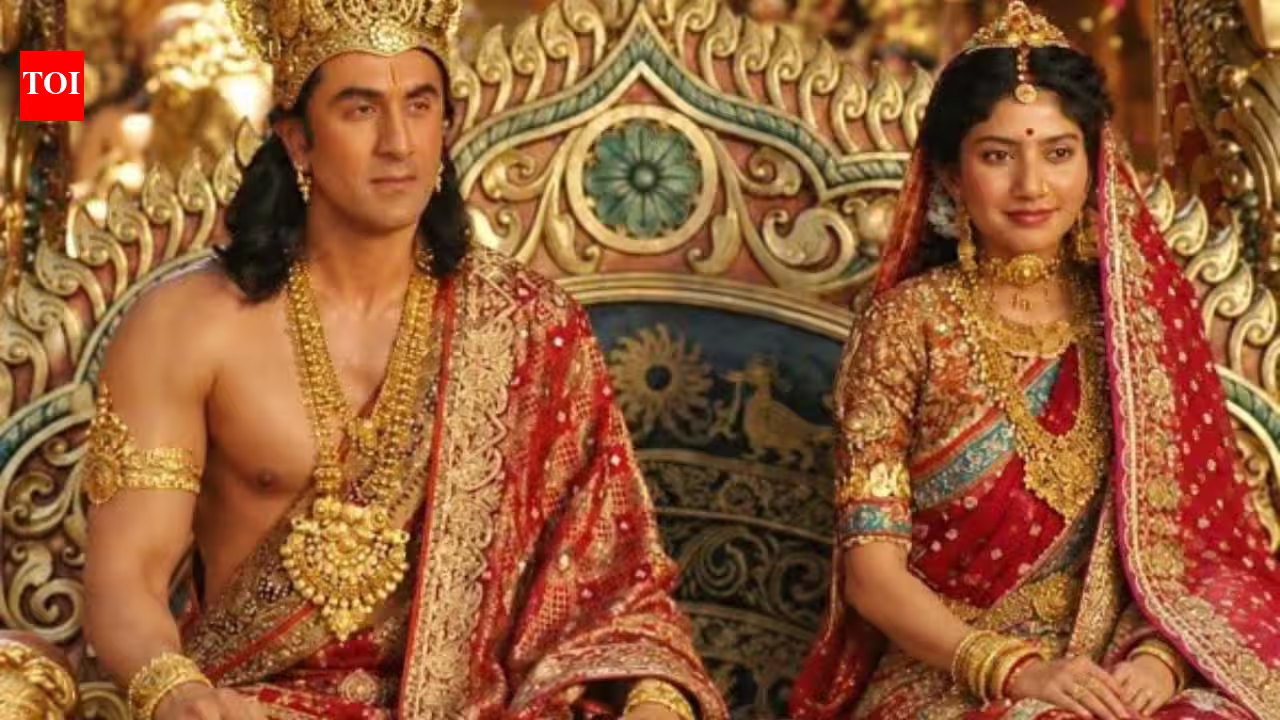
While Ranbir Kapoor occupies the center of the poster as Lord Ram, the conversation online is heavily dominated by the presence of Yash. Cast as Ravana, the KGF superstar brings a formidable, brooding energy that has long been anticipated by his dedicated fanbase.
Early reports—again, unverified but highly discussed—suggest that Yash’s performance is not a mere caricature of a villain but a complex, multifaceted portrayal that leans into the tragedy and arrogance of the character. For an audience accustomed to seeing Ravana through a binary lens of “pure evil,” the promise of a nuanced performance is a major selling point. If Yash manages to elevate the role beyond a traditional antagonist, it could be the performance of the year, potentially turning the film into a two-hander that keeps audiences on edge as much for the confrontation as for the resolution.
The Embargo Game: Decoding the Silence
Behind the scenes, the studio is playing a high-stakes game of silence. With rumors swirling that international critics have already been treated to early cuts—specifically the shorter, tightly paced English-dubbed version—the industry is buzzing about a potential review embargo lifting as early as October 30.
This strategic positioning is classic for a tentpole film of this magnitude. By staggering the information and allowing controlled leaks to build mystery, the production is effectively turning the run-up to Diwali into a global event. The fact that the initial viral posts were scrubbed clean—leaving behind only a “this account no longer exists” notice—only adds to the aura of exclusivity. Is it a studio-sanctioned maneuver to manage expectations, or are we witnessing the organic, chaotic excitement of a project that has grown too large for its own PR team to contain?
A Long Road Ahead: What to Expect in 2026 and Beyond
As we digest these early crumbs of information, it is worth remembering that Ramayana is not just a film; it is a cinematic universe in the making. The recent news that Part 2 has been pushed from a 2027 release to 2028 is a signal of the immense pressure to get the foundation right. Tiwari and his team seem to be opting for quality over speed, ensuring that the visual effects—which have historically been the Achilles’ heel of Indian mythological adaptations—are given the time they deserve to truly shine.
With Sai Pallavi as Sita, Sunny Deol as Hanuman, and Ravie Dubey as Lakshman, the cast is a veritable who’s-who of Indian acting talent. Whether the film ultimately achieves the “Lord of the Rings” level of prestige or creates its own distinct path, the stakes have never been higher. For now, the audience is left with the promise of a breathtaking visual journey and a story that, despite being thousands of years old, feels like it is being told for the very first time.
Diwali 2026 is still months away, but if the current level of discourse is any indication, the Ramayana isn’t just coming to theaters—it’s coming to claim the crown of the most anticipated film of the decade. We’ll be watching closely as the embargo nears, waiting to see if the reality of the screen can match the mythology of the rumors.
Disclaimer: This content is auto-generated for informational purposes only.
Source: Read Original News