








The Durability Deficit of the iPhone Duo
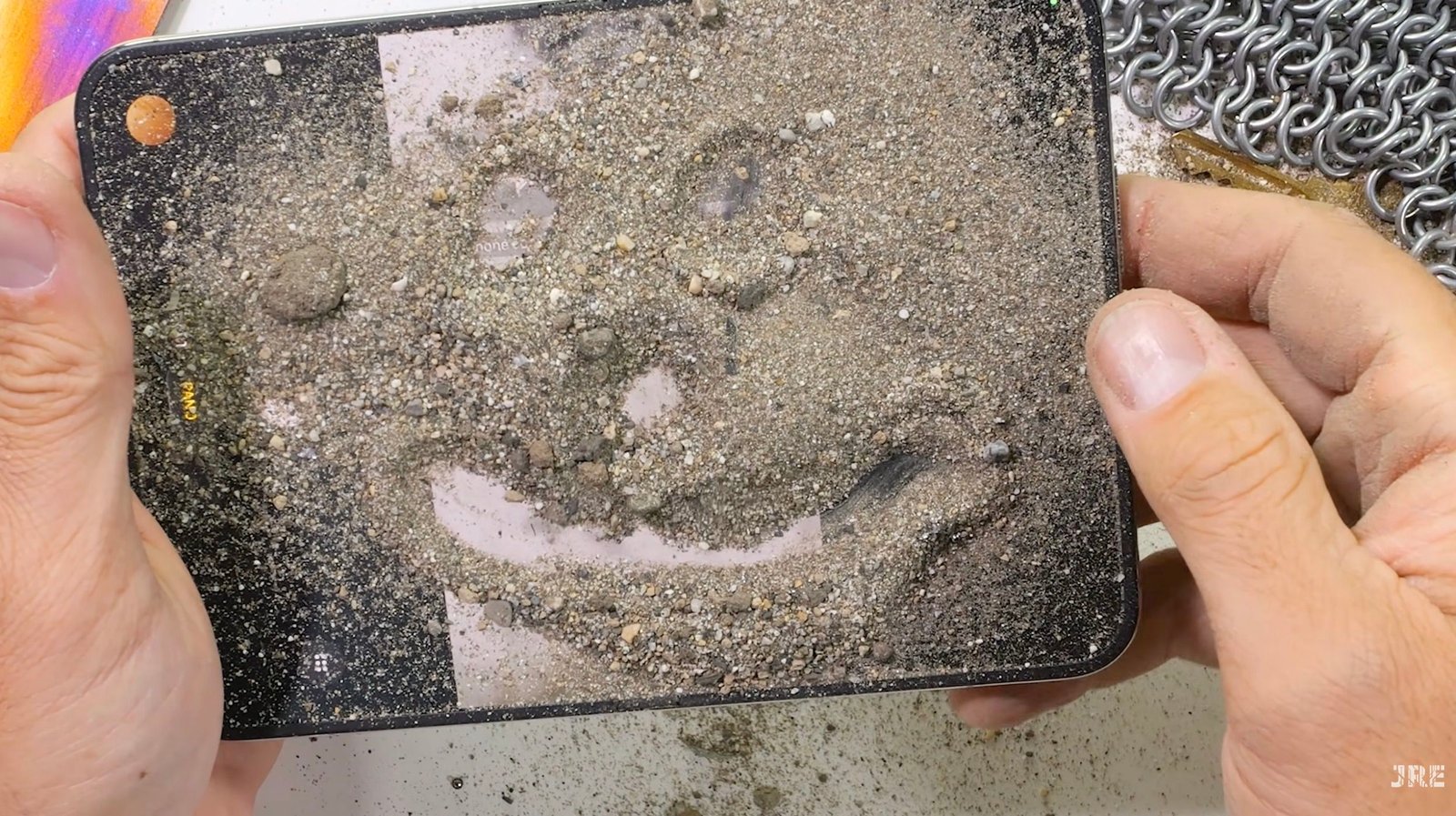
The release of the iPhone Duo was anticipated as a definitive moment for Apple’s entry into the folding smartphone market. However, early testing by independent hardware analyst JerryRigEverything has cast a shadow over these expectations. While the device features sophisticated mechanical components and modern display technology, it failed several industry-standard durability tests. During a controlled assessment of dust resistance, the device—which carries an official IP68 rating—demonstrated significant weaknesses. Fine particles were able to breach the hinge assembly, causing interference with the magnetic locking system.
More concerning was the structural integrity assessment. Under a standard bend test, the internal display suffered catastrophic failure, manifesting as a permanent green line across the panel. Shortly after this visual glitch, the touch interface became entirely unresponsive. This failure highlights the inherent challenges of integrating folding mechanisms into mobile devices, particularly when balancing thin chassis profiles with the need for rigid internal support structures.
Evaluating Screen Technology and Scratch Resistance
The iPhone Duo utilizes two distinct display technologies to accommodate its form factor. The exterior panel features Apple’s proprietary Ceramic Shield 2, which demonstrated a high level of performance by sustaining no visible permanent scratches until reaching level 7 on the Mohs hardness scale. This is consistent with current flagship smartphones and provides a reliable barrier against daily exposure to keys, coins, and other hard materials.
In contrast, the interior folding screen utilizes a flexible polymer substrate. During testing, this surface proved significantly more susceptible to damage, showing markings at level 2 on the Mohs scale. While this result is typical for flexible displays due to the softer nature of the protective plastic, it serves as a reminder that the inner screen requires careful handling. Apple attempted to mitigate the tactile impact of this softness by applying a matte nano-texture coating. This specialized layer allows superficial markings to dissipate under light pressure, providing a self-healing characteristic that masks minor abrasions. Despite this innovation, the fundamental fragility of the internal assembly remains a technical hurdle that users must account for during daily operation.
Impact of Mechanical Vulnerability
The failure of the hinge assembly to prevent dust ingress represents a significant technical concern for long-term reliability. A folding phone relies on the precision of its hinge to protect internal ribbon cables and display components. When contaminants enter the mechanism, they place localized stress on the display during the folding cycle. If the hinge cannot effectively seal against common environmental hazards like lint or dust, the longevity of the flexible panel is drastically reduced.
The magnetic closure system, designed to keep the device securely shut, was also compromised by the accumulation of debris. This resulted in a lack of uniformity when closed, which could expose the inner screen to external pressure points when carried in a pocket or bag. For a premium device, these mechanical deficiencies pose a risk to both the utility and the investment value of the hardware.
Industry Context and Previous Failures
The results obtained by JerryRigEverything serve as a benchmark for the maturity of folding technologies. Having tested almost every iteration of folding handsets released over the past seven years, the reviewer noted that the industry had largely moved past such structural failures. Most contemporary foldable devices now feature improved internal brushes and sealed gaps that prevent particulate entry. The fact that the iPhone Duo struggled in these specific areas suggests that Apple may have prioritized aesthetic thinness or hinge concealment over the robust environmental sealing that has become standard in the category.
This finding is particularly notable given the high retail price and market positioning of the iPhone Duo. Customers expecting the same level of environmental resilience found in traditional rigid iPhones may find the reality of this folding architecture difficult to reconcile with their existing expectations of Apple hardware durability.
Consumer Guidance and Market Reception
The technical shortcomings identified during durability testing coincide with wider logistical challenges surrounding the launch of the iPhone Duo. Retail staff have been instructed to steer customers toward pre-orders, citing severe supply chain constraints that make walk-in purchases unlikely. Some analysts, including Mark Gurman, have characterized the launch strategy as a mistake, suggesting that Apple should have addressed inventory depth and manufacturing quality before bringing the product to market.
Potential buyers are now tasked with weighing the benefits of the dual-screen form factor—which allows for improved productivity and optimized landscape viewing in native apps—against the identified risks to the device’s structural health. As users integrate the iPhone Duo into their workflows, the durability of the hinge and the inner display will be the primary metrics by which the long-term success of the product is measured. For the time being, caution is advised for users who work in environments where exposure to dust or debris is frequent. The performance gap between the robust outer shell and the delicate inner display underscores the ongoing trade-offs involved in current foldable smartphone engineering.
Disclaimer: This content is auto-generated for informational purposes only.
Source: Read Original News