








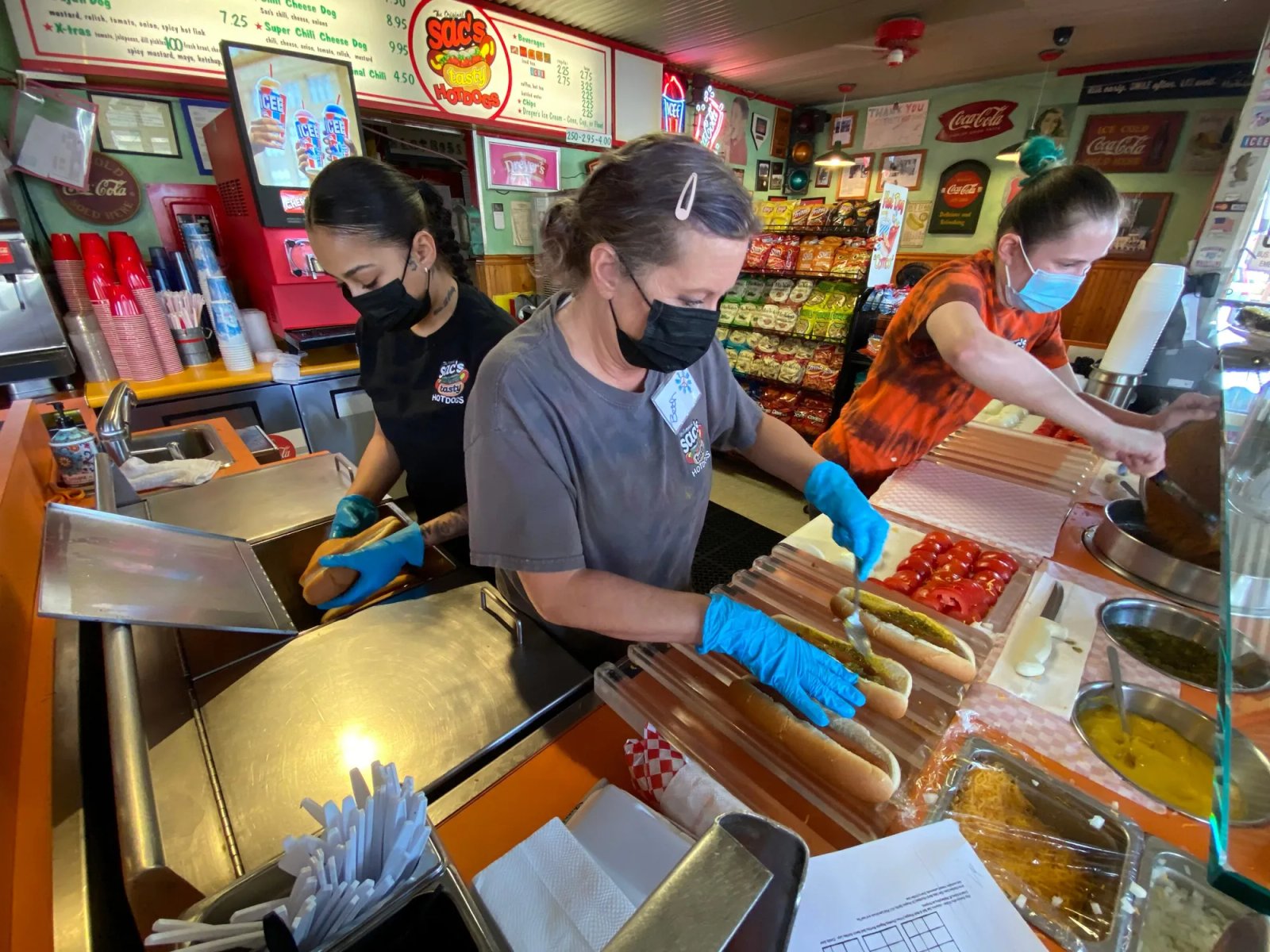
In an era where the retail and hospitality landscape is increasingly dictated by digital transformation and algorithmic efficiency, one North Bay hot dog institution stands as a defiant relic. While long-standing establishments like Berkeley’s Nabolom Bakery and Vallejo’s Zio Fraedo’s have succumbed to the pressures of skyrocketing commercial rents and razor-thin operating margins, this half-century-old eatery continues to thrive. Its survival in a volatile economy offers a compelling case study on the intersection of traditional service and the modern technological landscape.
## The Digital Survival Strategy
For small businesses, the landscape has shifted dramatically toward the “platform economy.” Even a neighborhood hot dog stand is no longer just a physical storefront; it is a digital entity managed through Google Business Profile, SEO optimization, and data-driven customer insights. While legacy restaurants in the Bay Area have struggled to navigate the transition to app-based delivery systems and digital menu management, those that have embraced Google’s suite of local discovery tools have seen a marked increase in foot traffic.
By leveraging Google Maps integration, high-resolution imagery, and real-time updates regarding operating hours, this 50-year-old staple has managed to bridge the gap between generational loyalty and the tech-savvy impulses of younger diners. Data from Google Trends and local search analytics suggests that even the most “analog” businesses are now reliant on AI-backed search results to remain visible in an increasingly crowded market. When users search for “best lunch near me,” the restaurants that maintain updated, AI-enriched profiles are the ones that successfully convert mobile searches into physical visits.
## AI and the Future of Hospitality Margins
The closure of staples like Nabolom Bakery highlights the lethal combination of rising overhead and the lack of automated internal controls. As labor costs and rent inflate, the “human-only” approach to restaurant management is becoming increasingly difficult to sustain. Industry experts note that the next wave of small business survival will likely involve the integration of AI-powered inventory management and predictive staffing models—tools that were once the exclusive domain of large corporations.
Small businesses that integrate Google’s AI-powered advertising and analytics are finding ways to optimize their marketing spend, ensuring they reach customers precisely when they are most likely to dine. By utilizing machine learning models to forecast peak traffic times, restaurants can better manage food waste and staff scheduling, effectively widening the thin margins that have forced other legendary venues to shut their doors permanently. For this North Bay hot dog restaurant, the secret to longevity is no longer just a quality recipe; it is the ability to harness the same technological infrastructure that powers the global tech giants operating just miles away in Silicon Valley.
## Navigating the Tech-Driven Culinary Landscape
The contrast between the shuttering of historical landmarks and the persistence of this specific hot dog shop underscores a shifting paradigm in the California food scene. While the rent crisis is undeniable, the capacity to adapt to a digital-first consumer base is the ultimate differentiator.
As Google continues to roll out updates to its Local Services Ads and AI-driven search experiences (SGE), businesses that fail to “speak the language” of the internet will find it increasingly difficult to compete. The challenge for small, community-focused establishments is to maintain their authentic, local charm while simultaneously satisfying the technical requirements of the modern search engine. For the North Bay staple that has survived 50 years, the recipe for the future involves serving up nostalgia while keeping a pulse on the digital algorithms that determine which doors stay open and which lights go out for good.
Disclaimer: This content is auto-generated for informational purposes only.
Source: Read Original News