









Tamil Nadu Cuts VAT on Aviation Fuel; Union Minister Welcomes “Welcome Step”
Chennai/New Delhi: In a significant policy shift aimed at bolstering the state’s aviation infrastructure, the Tamil Nadu government, led by Chief Minister Vijay, has announced a major reduction in the Value Added Tax (VAT) on Aviation Turbine Fuel (ATF). The move, which has received rare bipartisan praise, is expected to make air travel more affordable for passengers while positioning the state as a competitive hub for airlines.
A Strategic Tax Overhaul
Under the new notification issued by the state government, VAT on ATF at Chennai airport has been slashed from 29% to 16%. In a more aggressive bid to encourage connectivity across the state, the tax at other airports in Tamil Nadu has been reduced to a nominal 1%. These changes are set to come into effect from midnight on November 1 and will remain in force for a period of one year.
Historically, Tamil Nadu maintained one of the highest VAT rates on aviation fuel in the country. This high tax burden frequently discouraged airlines from choosing Chennai as a primary refueling station, as carriers preferred to tank up in states with more favorable tax structures to optimize operational costs. By lowering these barriers, the government hopes to incentivize airlines to expand their flight schedules and increase the frequency of services within the state.
Centre Appreciates Collaborative Approach
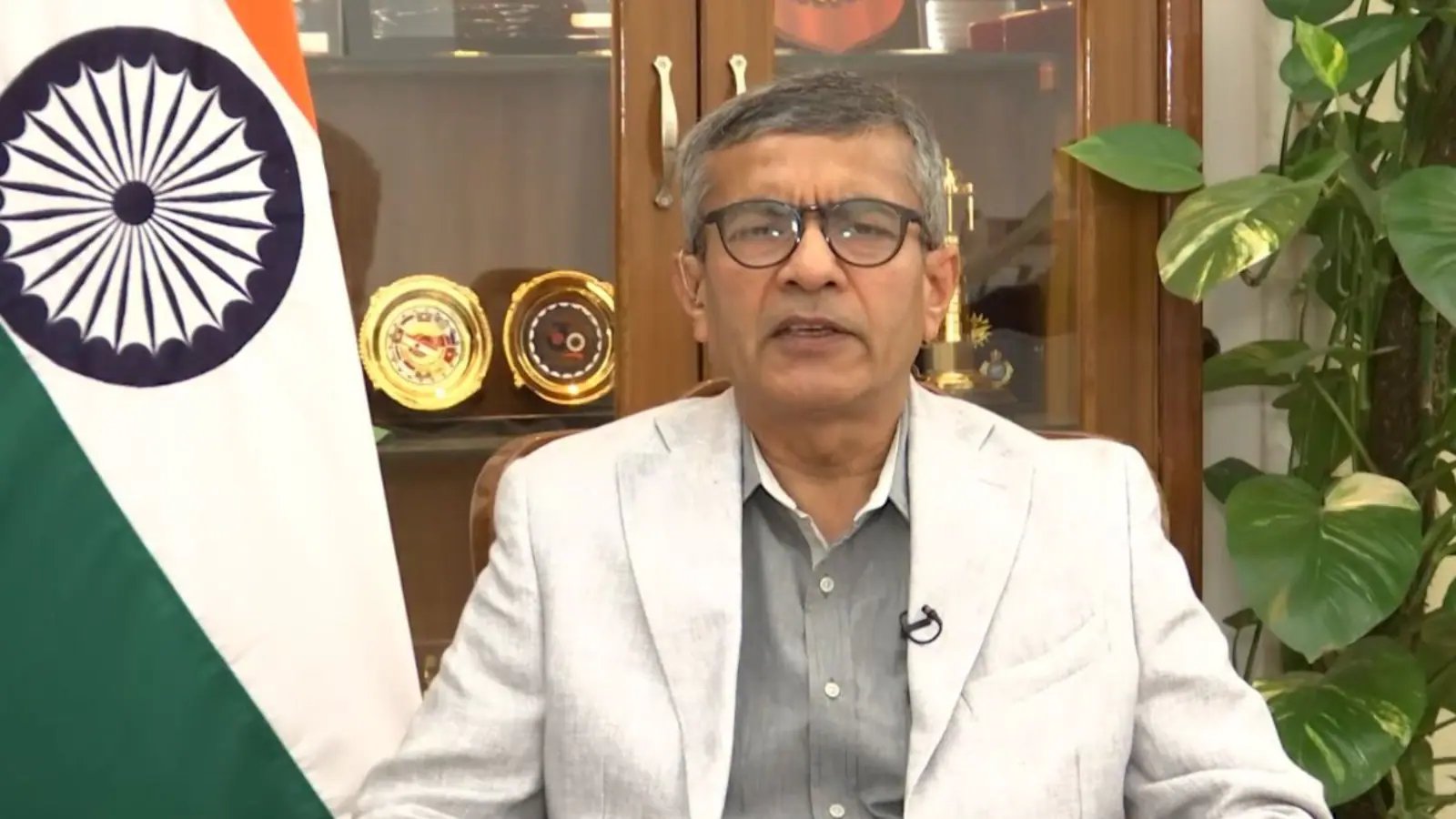
The policy decision caught the attention of the Union government, with Civil Aviation Minister Ram Mohan Naidu extending his appreciation to Chief Minister Vijay. Taking to the social media platform X, the Minister lauded the initiative as a “welcome step” for the aviation sector.
“Making air travel more affordable requires the Centre and States to work together. Our shared priority must always be the passengers,” the Union Minister stated, highlighting the importance of federal cooperation in infrastructure development.
A Complex Political Landscape
While the economic move has fostered a rare moment of consensus between the Centre and the Tamil Nadu government, the relationship remains complex. The Chief Minister’s party, the TVK, which governs in alliance with the Congress, has frequently clashed with the Central government on ideological grounds.
The administration has been notably vocal in its opposition to the Centre’s push for a three-language policy and has taken a firm stand on linguistic identity. Only recently, Chief Minister Vijay challenged a directive from the Centre regarding the mandatory playing of Vande Mataram at government functions. The state assembly had previously passed a resolution asserting that the regional anthem, Tamil Thai Vazthu, should be the first song played at state events, with the Chief Minister emphasizing that prioritizing the state anthem is a fundamental right.
Despite these ongoing ideological tensions, the reduction in VAT is being viewed as a pragmatic move that puts economic development and passenger convenience above political friction. Industry experts believe the lower fuel costs could lead to a tangible reduction in airfares and facilitate better air connectivity for smaller cities across Tamil Nadu.
Disclaimer: This content is auto-generated for informational purposes only.
Source: Read Original News