







PALM BEACH, Florida — As the United States approaches a pivotal moment in its electoral cycle, former President Donald Trump cast his ballot in Florida, using the occasion to outline his vision for global diplomacy and deliver a stinging critique of his domestic political rivals. Speaking to the press alongside former First Lady Melania Trump, the former president touched on the delicate geopolitical landscape, specifically the ongoing conflict in Eastern Europe, while also signaling potential shifts in how his administration might address digital governance and election security.
A New Strategy for Geopolitical Diplomacy
Addressing the war between Russia and Ukraine, Donald Trump emphasized a desire to transition away from the current state of hostilties. He suggested that once a diplomatic resolution is reached, the United States should seek to normalize economic ties with both nations. “We’d like to get back to life where Russia and Ukraine make a deal, and then we’d be able to do business with both,” Trump noted.
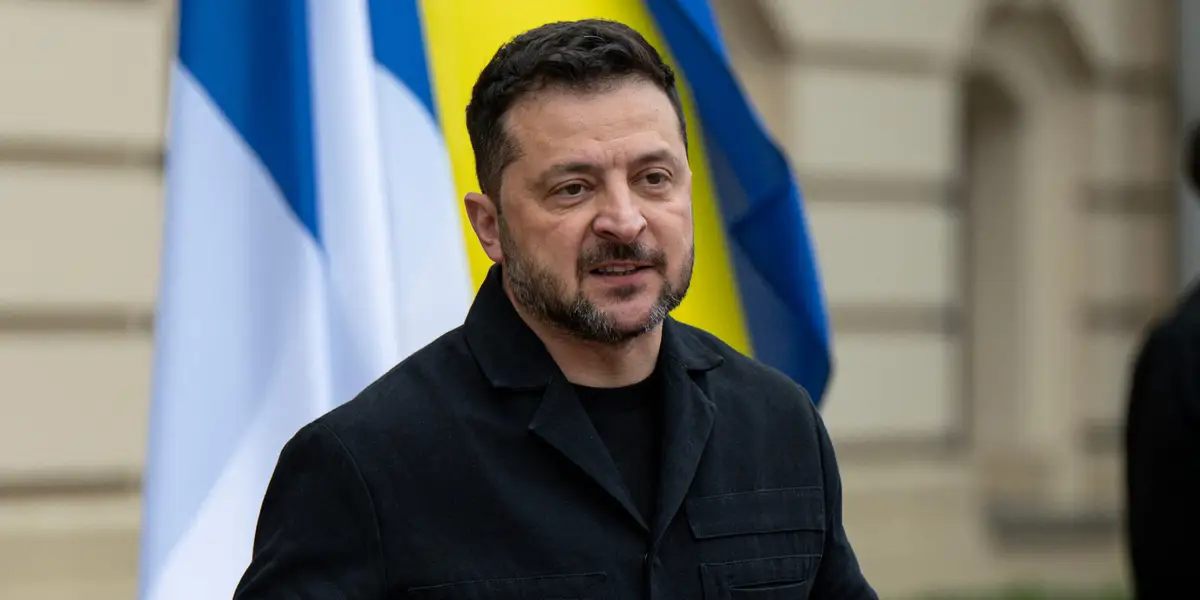
The remarks were accompanied by a surprising update from Melania Trump regarding the diplomatic channels currently in play. She highlighted the role of the Vatican in mediating the conflict and alluded to a proposed ceasefire timeline. “It is great to have the Pope’s support, and they are starting a ceasefire on October 27th,” she stated, noting that discussions had taken place with both President Vladimir Putin and President Volodymyr Zelenskyy. Trump praised his wife’s engagement in these high-stakes negotiations, jokingly remarking that she was “doing better than the professionals” currently handling foreign policy.
Election Integrity and the Role of Modern Tech
Beyond international affairs, Trump pivoted to domestic grievances, focusing heavily on what he characterized as systemic corruption within the American voting process. He leveled accusations against Democratic leadership in major metropolitan hubs, including Los Angeles, New York, and Minnesota.
In an era where technology plays a central role in how votes are cast, tabulated, and reported, the integrity of these digital systems has become a top priority for candidates and voters alike. Trump’s concerns regarding “voting irregularities” underscore the broader national debate surrounding the security of election infrastructure. As tech giants like Google and Microsoft continue to roll out AI-driven tools to combat misinformation and secure cloud-based election data, the pressure on these platforms to ensure transparency remains immense. Google, in particular, has faced ongoing scrutiny to provide accurate, verified information to voters via its Search and YouTube platforms, balancing its role as a gatekeeper of digital information against the backdrop of an increasingly polarized political climate.
Midterm Elections and the Digital Temperature Check
The upcoming midterm elections, which occur exactly halfway through a presidential term, serve as a critical diagnostic for the nation’s political health. With every seat in the House of Representatives and a significant portion of the Senate up for grabs, the results will dictate the legislative agenda for the remainder of the current administration.
From a technological standpoint, these midterms are serving as a real-world test for the AI and data analytics tools now pervasive in modern campaigning. Silicon Valley’s contributions to the electoral process have moved beyond simple social media outreach; today, sophisticated algorithms help campaigns target voters with pinpoint precision, while cybersecurity firms work overtime to prevent interference in the digital ballot-casting process.
As the country prepares for the final count, the intersection of political rhetoric and digital verification remains a flashpoint. Whether the focus is on international ceasefires or domestic voting discrepancies, the influence of digital platforms in shaping public perception continues to grow, making the integration of robust, secure, and transparent technology not just a matter of convenience, but a fundamental necessity for the health of democratic institutions.
Disclaimer: This content is auto-generated for informational purposes only.
Source: Read Original News