









Modernizing Regulatory Oversight for the Indian Securities Market
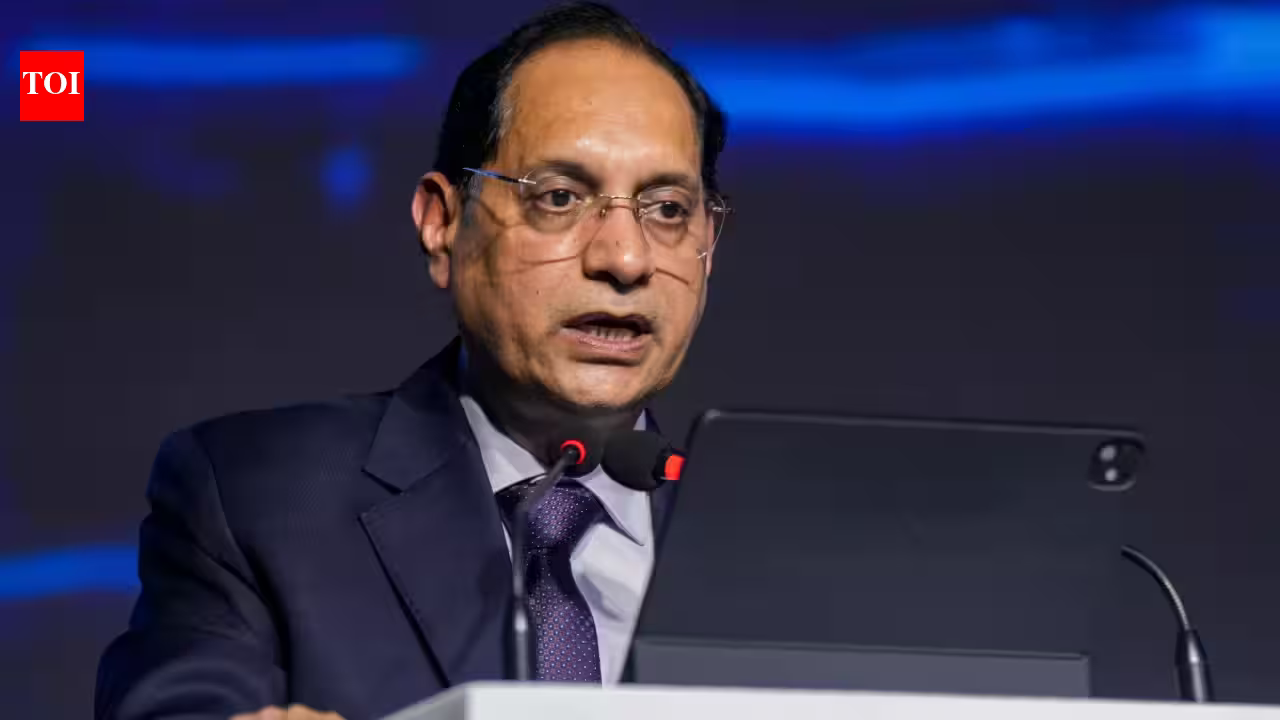
The Securities and Exchange Board of India (Sebi) is currently undergoing a significant shift in its regulatory philosophy. Under the leadership of Chairman Tuhin Kanta Pandey, the regulator is pivoting toward a more nuanced, technology-driven approach that prioritizes systemic integrity while simultaneously fostering market growth. The recent announcements at the 16th ANMI International Capital Market Convention highlight a strategic move away from a one-size-fits-all regulatory framework toward a tiered, risk-proportional compliance structure.
For the Indian broking industry, this signals a transition where technological prowess must be matched by robust governance. The proposal to implement graded compliance requirements—tailored to the size of a brokerage firm, its client base, and its reliance on automated systems—is a welcome shift. For years, smaller boutique firms and large-scale digital brokers have been subject to largely identical regulatory burdens. By differentiating compliance needs, Sebi acknowledges that a massive, tech-heavy brokerage firm requires a different risk-mitigation strategy than a smaller firm with a localized client base. This move aims to ensure that regulatory resources are focused where systemic risk is most concentrated, ultimately reducing the administrative burden on smaller players without compromising investor protection.
Securing the Digital Frontier: Terminal Misuse and Cybersecurity
As India’s stock market sees unprecedented levels of retail participation, the infrastructure supporting these trades faces heightened scrutiny. Sebi’s plan to introduce stricter safeguards against the misuse of trading terminals is a direct response to the risks posed by algorithmic trading and unauthorized access. Trading terminals are the bedrock of market operations, and any vulnerability within them can lead to significant market distortions.
Furthermore, the regulator’s directive to treat cybersecurity as a core business function rather than a back-office IT cost marks a critical cultural shift for financial institutions. In the current landscape, a cyber incident is not merely a technical glitch; it is an existential risk to a brokerage’s license and reputation. By emphasizing system testing and preparation for failure, Sebi is forcing market intermediaries to adopt a proactive defense strategy. For the Indian broking community, this necessitates an investment in real-time monitoring and resilient architecture. Companies that fail to internalize these practices risk severe regulatory penalties and loss of client trust, making cybersecurity one of the most vital pillars of operational solvency in the coming years.
Responsible Integration of Artificial Intelligence
The integration of Artificial Intelligence (AI) into the financial markets offers both immense potential and unique dangers. Sebi’s proactive stance, centered on the creation of an AI sandbox, provides a secure environment for firms to experiment with innovative technologies without risking systemic instability. This “innovation-first, safety-always” approach is modeled on the global best practices suggested by the International Organization of Securities Commissions (IOSCO).
The proposed guidelines for AI usage, specifically the requirement for human oversight, kill switches, and strict data controls, are essential. As AI models become more autonomous in executing trades or generating investment advice, the potential for “hallucinations” or rapid, cascading errors increases. By mandating accountability at every level of AI implementation, Sebi is ensuring that technological efficiency does not come at the cost of market stability. For Indian fintech innovators, this framework provides the regulatory clarity necessary to scale, as it defines clear boundaries for what is acceptable and how risks should be mitigated during the development phase of new tools.
Deepening the Corporate Bond Market through Demat 2.0
Beyond the equity market, Sebi is aggressively pursuing the expansion of the corporate debt segment. Historically, India’s corporate bond market has faced challenges related to liquidity and accessibility. The initiative to develop a comprehensive market-making framework is intended to address these bottlenecks, making corporate bonds a more attractive asset class for retail and institutional investors alike.
The upcoming phase of “Demat 2.0” represents a milestone in this journey. By introducing tokenized corporate bonds for secondary market trading, Sebi aims to leverage blockchain-based efficiencies to lower settlement risks and accelerate the speed of transaction processing. Tokenization is expected to provide superior transparency and liquidity, which are critical for the healthy growth of the secondary debt market. For the average investor, this translates to a more robust mechanism for wealth preservation and capital appreciation, extending the benefits of the digital securities ecosystem beyond standard equity holdings.
Redefining KYC: From Compliance to Client Stewardship
Perhaps the most significant long-term directive from the Sebi Chairman concerns the nature of client relationships. By urging brokers to view “KYC” (Know Your Customer) not merely as a documentation formality but as “Know Your Client’s Needs,” the regulator is pushing the industry toward a higher standard of fiduciary care.
In the Indian context, where a vast number of new investors are entering the market from smaller towns and tier-two cities, the risk of financial mismanagement is elevated. Investors often lack the depth of experience required to understand the nuances of margin trading, derivative instruments, or the impact of market volatility on their personal finances. When a broker observes that a client’s risk exposure is consistently exceeding their financial capacity, there is now an explicit expectation for the broker to intervene. This guidance encourages a model of long-term partnership where investor education is integrated into the brokerage experience. When clients understand the risks inherent in their investments, they are significantly more likely to remain committed to their financial goals rather than exiting in panic during market downturns. This fosters a more mature, stable market ecosystem that benefits the entire financial value chain.
A Roadmap for Long-term Stability
Sebi’s overarching strategy—focused on simpler rules, deeper markets, responsible technology, and broader access—provides a clear mandate for the Indian financial sector. As the nation moves toward becoming one of the world’s largest capital markets, the regulatory environment must be agile enough to encourage innovation while being stringent enough to prevent systemic collapse.
The focus on digital integration across inspection portals and the consolidation of supervision tools suggest a future where the regulator operates with higher efficiency and lower friction. For market participants, the message is clear: the era of lax digital compliance is over. Success in the evolving Indian market will be defined by those who embrace transparency, prioritize cybersecurity, and commit to the ongoing education and protection of their clients. By aligning these interests, Sebi is building a robust foundation that will likely sustain India’s capital market growth for the next decade.
Disclaimer: This content is auto-generated for informational purposes only.
Source: Read Original News