









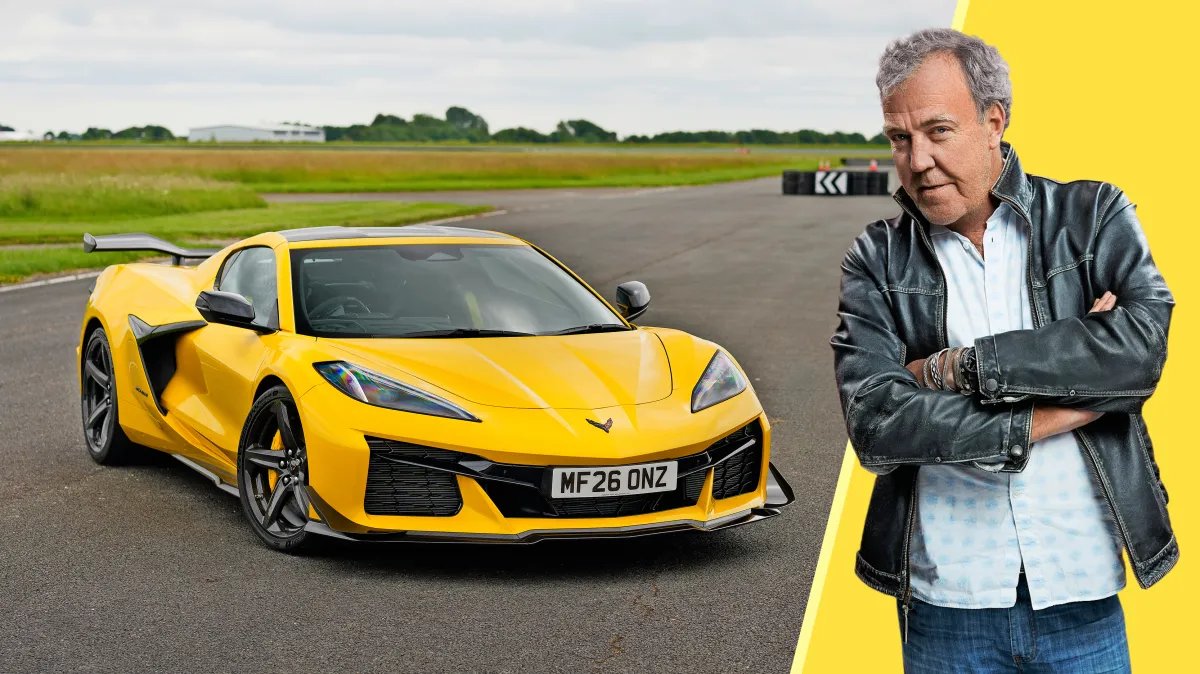
The Dawn of High-Performance Electric Grand Touring
The automotive industry has reached a critical inflection point where the sheer acceleration once reserved for top-tier combustion hypercars is now being delivered with silent, electric precision. The transition toward battery-electric vehicles has shifted the benchmark from traditional displacement and torque curves to instantaneous power delivery and software-defined chassis dynamics. A recent evaluation of the latest high-performance electric grand tourers reveals a significant paradigm shift: the ability to marry raw, visceral mechanical presence with the sophisticated efficiency of modern electric drivetrains.
For decades, the allure of a grand tourer relied heavily on the rhythmic vibrations of a multi-cylinder engine. Today, however, manufacturers are discovering that they can synthesize that mechanical weight through precise acoustic engineering and refined haptic feedback. Modern electric propulsion systems, characterized by multi-motor setups and torque-vectoring controllers, allow these vehicles to achieve power figures that exceed 800 horsepower while maintaining the composure required for long-distance travel. The result is a machine that feels like a rocket ship under acceleration, yet remains remarkably refined during high-speed cruising.
Engineering the Electric Acoustic Experience
One of the most persistent criticisms of electric vehicles has been the lack of sensory feedback. When a combustion engine reaches its peak power band, the driver perceives a crescendo of noise and vibration that confirms the intensity of the experience. Electric motors, by contrast, offer a flat, almost clinical efficiency. To counteract this, engineers are now implementing sophisticated acoustic chambers and speaker-based synthetic sound profiles that react in real-time to throttle position and inverter load.
This “dog-troubling bassness” mentioned by enthusiasts refers to the low-frequency resonant feedback calibrated into the cabin. By modulating the frequency and intensity of the drive unit’s electromagnetic whine, manufacturers can project a sense of power that mimics the presence of a heavy internal combustion engine. This is not merely cosmetic; it provides the driver with a secondary layer of telemetry, allowing for a more intuitive understanding of motor load and power delivery without having to constantly monitor digital gauges.
Advanced Chassis Control and Torque Vectoring
Beyond the acoustics, the true leap in modern electric performance lies in the democratization of torque vectoring. By utilizing independent motors for each wheel—or at least for each axle—the vehicle controller can distribute power with millisecond latency. This capability allows for a level of cornering agility that would be mechanically impossible in a traditional all-wheel-drive internal combustion system.
These systems utilize advanced sensors that monitor steering angle, yaw rate, and slip ratios thousands of times per second. When the system detects a loss of traction, it does not simply cut power; it redistributes it. By sending more torque to the outside wheels during a turn, the car effectively rotates into the apex, masking its inherent weight. This technology transforms a heavy, battery-laden chassis into a tool that feels nimble and responsive, effectively negating the physical drawbacks of current lithium-ion battery density.
The Practicality of High-Voltage Architecture
The shift to 800-volt electrical architectures has redefined the use-case for grand tourers. In the past, the rapid depletion of charge during spirited driving was a primary limiting factor. With the latest generation of rapid-charging hardware, these vehicles can recover significant range in the time it takes for a driver to step out for a coffee. This evolution addresses the “range anxiety” that has long plagued the segment, allowing drivers to utilize the full extent of the vehicle’s performance without the constant worry of charging logistics.
The 800-volt system also contributes to sustained performance. High-voltage systems generate less heat during high-load scenarios compared to traditional 400-volt architectures, allowing the car to maintain its peak output across multiple rapid accelerations. This thermal stability is a prerequisite for a vehicle that claims both grand touring comfort and track-ready performance.
Defining the Future of Sustainable Speed
The impact of these technological advancements extends beyond the individual vehicle. It signals a shift in consumer expectations regarding what constitutes a premium automotive experience. As battery chemistry continues to improve, focusing on energy density and reduced charging times, the weight penalty associated with electric vehicles will continue to shrink.
Furthermore, the integration of software-defined features means these vehicles are no longer static products. Over-the-air updates allow manufacturers to refine power distribution, traction control algorithms, and even the synthetic sound profiles long after the vehicle has left the factory floor. This creates a lifecycle where the machine improves through data-driven refinement, cementing the electric grand tourer as the ultimate marriage of digital sophistication and physical performance. The era of the electric rocket ship is not merely a replacement for the combustion engine; it is an evolution that offers greater control, more reliable power, and a new frontier of sensory engagement for the modern driver.
Disclaimer: This content is auto-generated for informational purposes only.
Source: Read Original News