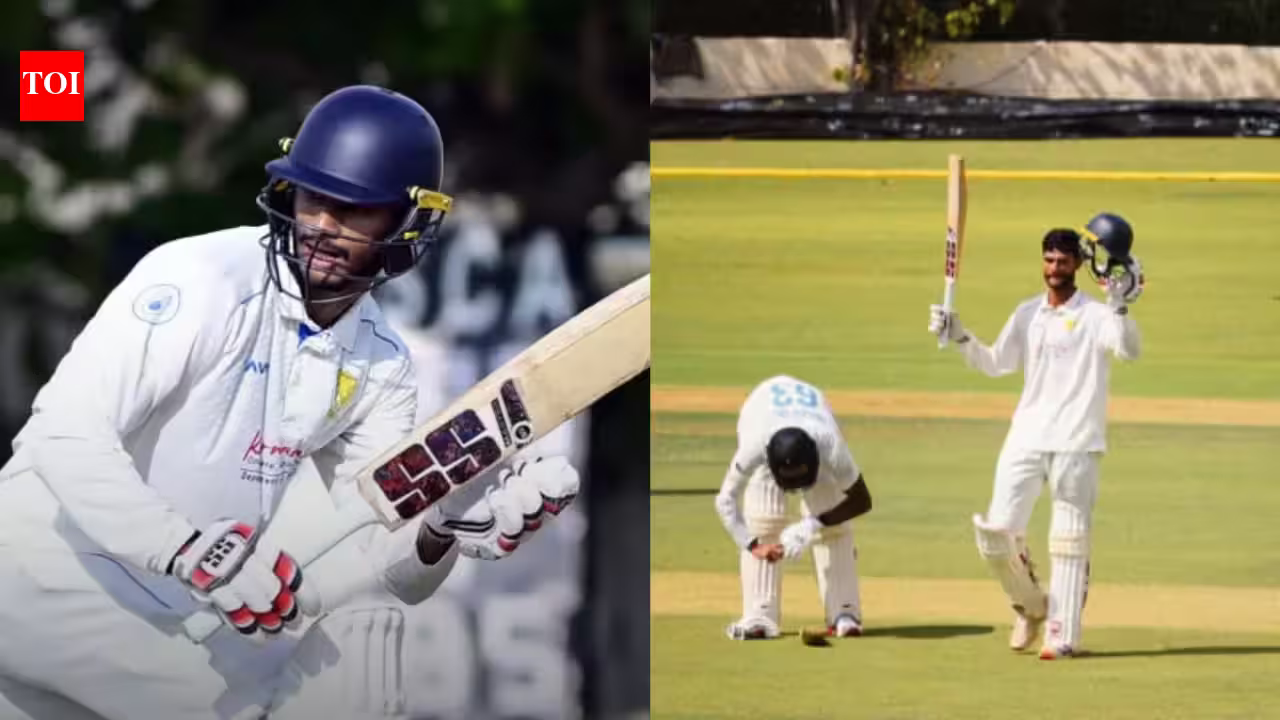








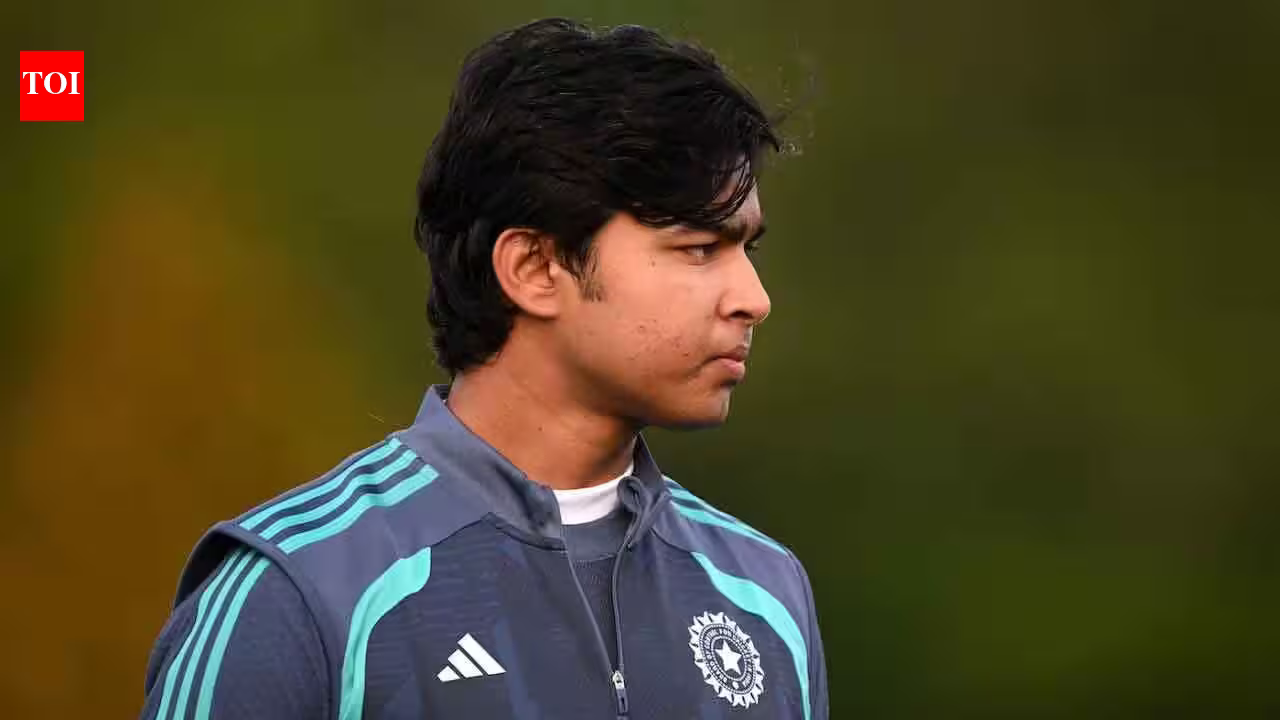
CHRISTCHURCH — The tactical blueprint of the Indian cricket team is under the microscope today, not because of a loss, but because of a developmental decision that has sparked significant debate. Following India’s victory in the second T20I against New Zealand, former India spinner and seasoned cricket analyst Murali Kartik has publicly slammed the team management for their handling of 15-year-old prodigy Vaibhav Sooryavanshi.
The teenage sensation, drafted into the playing XI as a replacement for the injured Ishan Kishan, was slotted to bat at the No. 3 position. The experiment yielded a modest return of four runs off eight balls, a performance that Kartik argues was a result of placing a young talent in an environment fundamentally unsuited to his natural game.
A Misplaced Asset: The Case for Opening
For Kartik, the error in judgment was clear before the first ball was even bowled. The former international spinner emphasized that international cricket is about maximizing the output of players by utilizing them in roles where they have built their reputation.
“I was repeatedly saying this, even before the match started,” Kartik remarked during his post-match analysis. “When you are playing Vaibhav Sooryavanshi, where is he at his best? He is an opener. You have put him in the middle order. He has not played there, he is a young kid, and he has only batted in one way. This is exactly why you have experienced players, so they can play different roles.”
While India managed to secure a win, Kartik believes that prioritizing a result over the logical development of a young player is a short-sighted strategy. He contends that asking a teenager to adjust his entire batting philosophy to accommodate a middle-order role is a heavy burden that rarely pays dividends for the player’s long-term growth.
The “Banker” Factor: Why Sanju Samson Was the Logical Choice
The crux of Kartik’s argument lies in the flexibility of the squad. He pointed directly to Sanju Samson as the individual who should have shouldered the responsibility of the No. 3 slot. Samson, an established campaigner in the Indian setup, possesses the tactical maturity and technical range to adjust to the nuances of middle-order batting.
“Abhishek Sharma plays similarly to Vaibhav; both are attacking players who thrive in the opening slot,” Kartik explained. “Sanju Samson is a player who is a ‘banker’ for you. He can play in different positions. I agree he might be out of position, and people might ask why him, but sometimes when you are a senior and experienced player, you have to take on these roles. This is especially true when you have selected Vaibhav Sooryavanshi.”
Kartik’s perspective highlights a common friction in team management: the balance between nurturing a debutant and maintaining the structural integrity of the lineup. By forcing the 15-year-old into a role he is unfamiliar with, the management arguably diluted the impact of both the debutant and the experienced core of the team.
Rethinking Replacement Strategy
Beyond the batting order controversy, Kartik questioned the selection process itself. When Ishan Kishan was ruled out due to injury, the management’s decision to bring in Sooryavanshi—and subsequently force him into the middle order—suggests a lack of clarity in their contingency planning.
“If Vaibhav Sooryavanshi was not playing today, that would be a different matter,” Kartik noted. “Then Shivam Dube could have also played if they wanted someone to handle the middle order. So, I think it is about getting the best work out of everyone.”
The mention of Shivam Dube highlights a desire for a more traditional middle-order anchor—someone with the power-hitting capability to stabilize the innings, a role that the young Sooryavanshi is arguably not yet equipped to perform at the international level.
The Bigger Picture: Development vs. Results
While the victory in Christchurch will undoubtedly be celebrated by the fans, Kartik’s critique serves as a reminder that how a team wins is often just as important as the win itself, especially when integrating youth. The modern game requires a nuanced approach where teenagers are not just given a cap, but given the best possible opportunity to succeed.
As India moves forward in this T20 series, the management faces a decision: do they continue to test the versatility of their youngsters in “out of position” roles, or do they heed the advice of veterans like Kartik and allow their attacking talents to flourish at the top of the order?
For now, the debate remains open. But one thing is certain: in the high-stakes environment of international cricket, the cost of miscasting a player is high, and the scrutiny from the experts will remain as sharp as ever. Whether Sooryavanshi gets the chance to prove his worth at his natural position in the next outing remains the burning question for the selectors as they look toward the future.
Disclaimer: This content is auto-generated for informational purposes only.
Source: Read Original News