








The U.S. Department of Energy (DOE) has significantly scaled up its commitment to tribal energy independence, announcing a massive expansion of its latest funding opportunity. What began as a $50 million initiative has swelled to more than $125 million, a decision spurred by an overwhelming influx of tribal applications that collectively requested roughly 10 times the initial budget.
The Office of Indian Energy (OIE) has selected 63 tribe-led projects across 16 states, marking the largest single investment in the office’s history. While these selections are currently subject to final award negotiations, they represent a major shift in how the federal government is approaching energy infrastructure on tribal lands.
## Addressing a Surge in Unmet Demand
Eric Mahroum, director of the Office of Indian Energy Policy and Programs, noted that the decision to more than double the funding using carryover resources was a direct response to the clear, urgent signal sent by tribal nations.
“Indian Country is sending a clear message that they want to engage with the Department of Energy,” Mahroum stated. “They have energy needs, and they’re looking to get those needs met.”
The department prioritized projects focused on essential services, such as home electrification for households currently without power, as well as broader infrastructure goals. The selection process also highlighted an alignment with current administration priorities, placing a heavy emphasis on geothermal exploration, nuclear energy development, and transmission capacity—both on and off reservation lands.
Notable projects include the Confederated Tribes of Warm Springs in Oregon, which secured support to evaluate long-term geothermal potential, and the Navajo Tribal Utility Authority, which is working to connect isolated homes to the power grid.
## Regional Focus and Infrastructure Challenges
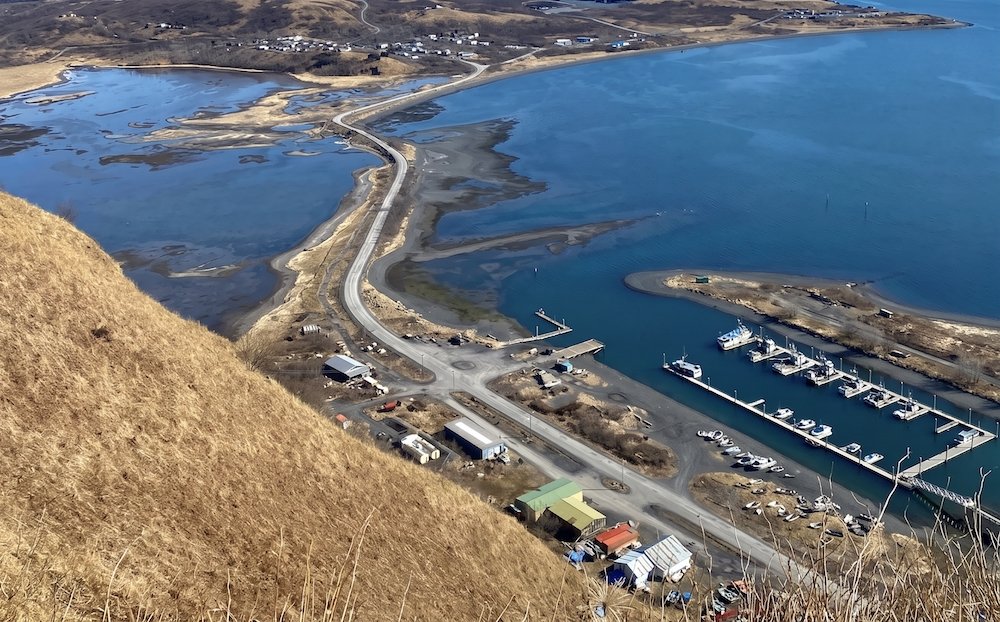
A significant portion of the funding is directed toward Alaska, where 20 selected projects—totaling nearly $50 million—aim to address the unique difficulties of providing reliable heat and power in remote, extreme climates. Projects in the region range from hydroelectric construction to battery storage design, which are critical for communities facing the highest energy costs in the United States.
While the expansion was welcomed by advocacy groups, there is ongoing debate regarding the scope of federal support. Cheri Smith, president and CEO of the Alliance for Tribal Clean Energy, pointed out that the $500 million in total requests reveals an “undeniable” need for further investment. She also raised concerns about a perceived federal pivot away from wind and solar projects, noting that none of the selected projects explicitly mentioned those technologies in their titles.
## The Role of Tech and Future Financing
The push for tribal energy development is increasingly intersecting with broader tech and industrial goals, particularly in the realm of critical minerals planning and workforce development. For instance, the Quapaw Nation in Oklahoma is utilizing funding for critical minerals development, a sector vital to the supply chains behind modern batteries, electric vehicles, and high-tech manufacturing.
As these projects move into the negotiation phase, the challenge for both the DOE and tribal leaders will be closing the persistent financing gap. The Alliance for Tribal Clean Energy reports that it is currently helping tribes structure financing for $750 million in hydro, solar, and battery storage projects, which currently face a $298 million shortfall.
“The economic opportunity is enormous, but so is the cost of leaving these projects without adequate financing,” Smith said. The outcome of these 63 selected projects will likely serve as a benchmark for how the government balances national energy priorities with the specific, multifaceted needs of tribal communities as they transition toward greater energy sovereignty.
Disclaimer: This content is auto-generated for informational purposes only.
Source: Read Original News