








Market Prices Surge as Relentless Rainfall Disrupts Supply Chains
Consumers across the region are facing a significant strain on their household budgets this week as the price of essential vegetables continues to climb. A period of unseasonably heavy and persistent rainfall has wreaked havoc on agricultural production, leading to widespread crop damage and a severe bottleneck in the supply chain that links rural farms to urban markets.
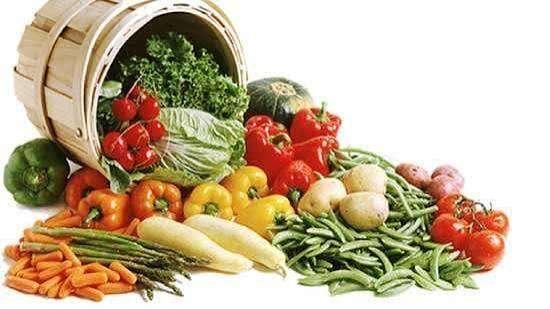
In major wholesale and retail markets, vendors report that the cost of common staples—including beans, tomatoes, carrots, and green chilies—has risen by as much as 40 to 60 percent compared to the previous fortnight. The price hike is being felt most acutely by middle-income families, who are struggling to adjust their weekly grocery spending to accommodate the volatility.
According to agricultural experts, the extreme weather has created a “triple threat” for local farmers. First, the excessive water saturation in the fields has caused root rot and premature decay in sensitive vegetable crops, leading to a substantial decrease in total harvest volumes. Second, the muddy and treacherous road conditions in rural farming belts have made it difficult for transport vehicles to reach collection centers, causing significant delays and spoilage in transit. Finally, the difficulty in harvesting during active rainfall has resulted in a shortage of labor, further limiting the amount of fresh produce that makes it to market shelves.
“We are seeing a severe shortage of fresh greens,” said one wholesale trader at a central produce market. “Farmers are bringing in half of what they usually supply, and because the quality of what survives the rain is also compromised, the premium items are being snapped up instantly at much higher prices. There is simply not enough stock to meet current demand.”
The situation has prompted concerns among consumer advocacy groups, who are calling for government intervention. Many are urging authorities to release buffer stocks or provide subsidies for transport to ease the burden on the public. Meanwhile, officials from the Ministry of Agriculture have advised that while price fluctuations are common during the monsoon season, the severity of this particular weather system is exceptional. They have urged consumers to look for seasonal alternatives that are less affected by the rains, while promising that as soon as the weather clears, logistics will stabilize, potentially bringing prices back down within the next two weeks.
Until the skies clear and fields have a chance to drain, market analysts warn that the volatility is likely to persist. Consumers are encouraged to practice careful budgeting, as the cost of living appears set to remain elevated until the supply chain regains its equilibrium. For now, the combination of saturated soil and disrupted transport remains a clear and costly challenge for the entire nation.
Disclaimer: This content is auto-generated for informational purposes only.
Source: Read Original News