




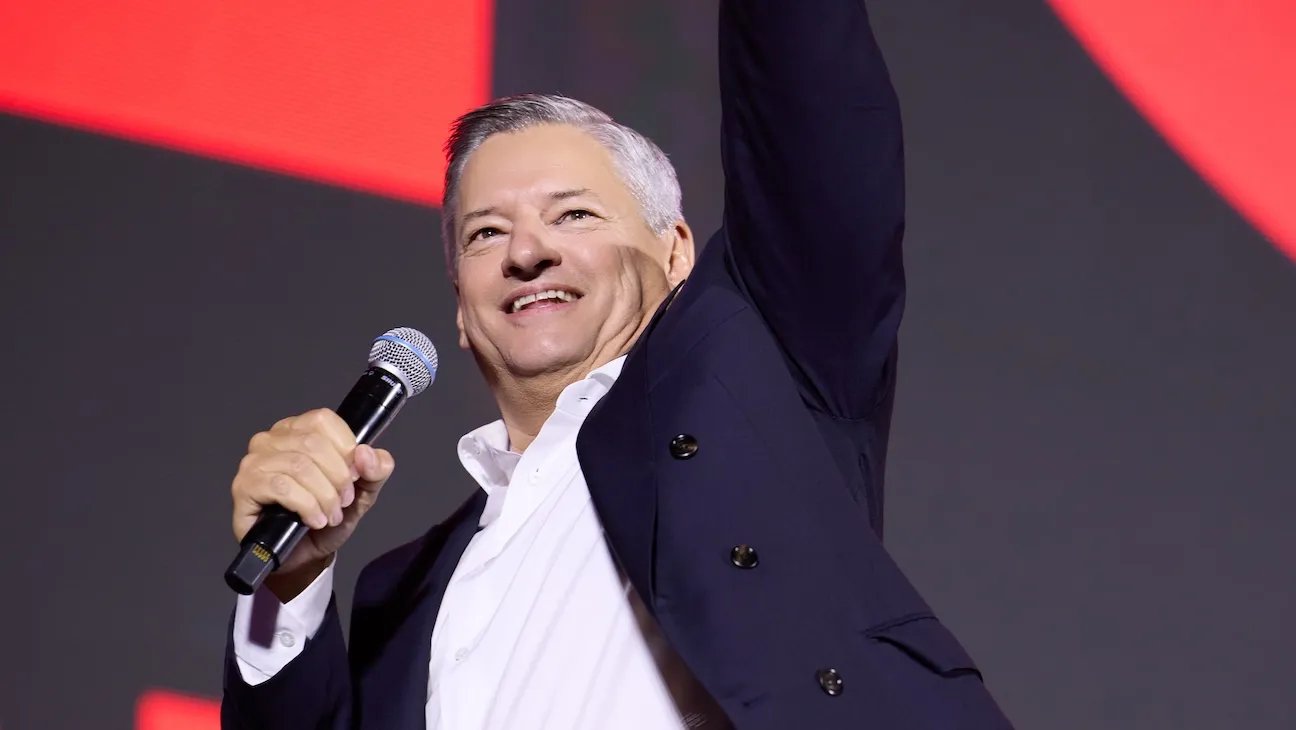
Netflix co-CEO Ted Sarandos made a high-profile appearance in Seoul this past weekend, using the backdrop of a massive fan festival to reaffirm the streaming giant’s commitment to Korean content. The visit, which took place at the repurposed Sangam Oil Tank Culture Park, provided a stark contrast to the company’s recent domestic turmoil, which has involved significant corporate restructuring and a workforce reduction of approximately 1,000 employees.
Despite the turbulence at the corporate headquarters, the mood in South Korea was celebratory. The event, branded as “Netflix Janchi,” drew over 10,000 attendees on the ground and pulled in more than 3.5 million views through online broadcasts, highlighting the massive engagement levels the platform enjoys in the region.
The Strategic Importance of the Korean Market
For Netflix, the focus on Korea is far more than a creative experiment; it is a pillar of its global growth strategy. Data released by the company during the event underscores this, revealing that over 80 percent of its global user base has streamed at least one Korean production. With Korean programming now firmly established as the platform’s most-watched non-English category, the region has become a vital engine for viewer retention and acquisition.
Between April 2025 and March 2026, Korean titles accounted for a staggering 12 billion viewing hours, trailing only domestic U.S. productions. This dominance is evidenced by the performance of hits like Squid Game, which holds the top three spots on the streamer’s all-time non-English television list.
Technological Integration and Global Reach
The success of Korean content is intrinsically linked to how Netflix leverages its proprietary algorithms and machine learning tools to break down cultural barriers. By optimizing recommendation engines and utilizing sophisticated localization tech, Netflix has turned niche international content into global phenomena. The event featured a preview of upcoming titles that the company hopes will sustain this momentum, including Lee Chang-dong’s Oscar hopeful Possible Love and the highly anticipated live-action adaptation of Solo Leveling.
Other upcoming projects, such as Grand Galaxy Hotel and All of Us Are Dead Season 2, demonstrate the company’s reliance on high-production-value genre content that translates well across diverse demographics. The integration of such content into the global library is supported by the platform’s advanced distribution architecture, which ensures seamless high-definition streaming for millions of users simultaneously, regardless of geography.
A Pivot Toward Creative Stability
The Seoul trip serves as a clear signal to stakeholders that while Netflix is undergoing a period of internal change—including leadership shifts—its core investment thesis remains intact. As the company navigates the evolving landscape of the entertainment industry, it is leaning into proven “super-fan” markets to hedge against volatility.
The presence of high-profile actors like Lee Jung-jae, Song Hye-kyo, and Gong Yoo at the event emphasized the strong partnerships Netflix has cultivated with local talent. By fostering these relationships and continuing to pour resources into the Korean creative ecosystem, Netflix is positioning itself to lead in an era where domestic hit-making is no longer enough. Even as the company prunes its overhead and recalibrates its business model, the Seoul event proved that Korean storytelling remains a cornerstone of the platform’s future, solidifying its place at the center of the global digital entertainment zeitgeist.
Disclaimer: This content is auto-generated for informational purposes only.
Source: Read Original News