







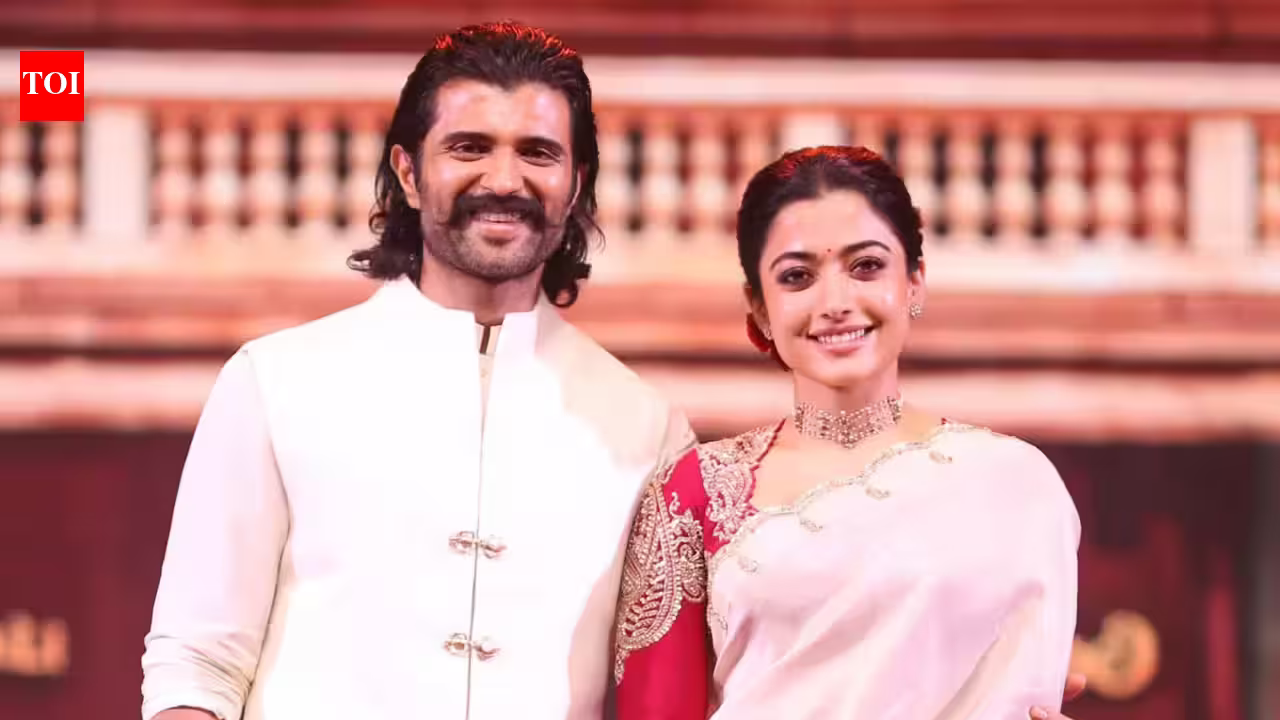
In the hyper-accelerated world of digital celebrity culture, the line between fandom and digital harassment has never been thinner. For superstars Vijay Deverakonda and Rashmika Mandanna, that line was not just crossed—it was trampled upon. In a decisive move that signals a growing intolerance for the “truth-is-optional” era of social media, the duo’s management team has officially approached the Hyderabad Cyber Crime police, lodging a formal complaint against the proliferation of doctored, misleading, and outright malicious content targeting the pair.
This isn’t merely a celebrity PR dust-up; it is a calculated stand against a digital culture that has become increasingly comfortable with fabricating realities for clout.
When Criticism Morphos into Cyber Warfare
The grievance filed by the actors’ representatives is specific: it targets the systematic spread of fake claims, doctored screenshots, and targeted harassment disguised as commentary. In an age where a “deepfake” or an out-of-context video clip can go viral in minutes, the damage to a public figure’s reputation is often irreversible before the truth even has a chance to lace up its boots.
The team’s official statement offers a masterclass in the distinction between dissent and defamation: “While we fully respect freedom of speech, individual opinions and the right to express criticism, there is a clear distinction between expressing an opinion and presenting fabricated, manipulated or materially misleading claims as facts.” This is the crux of the matter. The legal filing is not an attempt to silence the public’s right to gossip or critique, but rather a firewall against the weaponization of misinformation. By submitting tangible evidence—links, screenshots, and material proof of impersonation—the team is forcing a dialogue on accountability in the digital sphere.
The Fallout of the ‘Koffee’ Effect
To understand the current hostility, one must trace the breadcrumbs back to the couple’s appearance on the popular talk show Koffee With Karan. What should have been a lighthearted segment in a celebrity interview became the catalyst for a digital firestorm. During the broadcast, the duo discussed the nuances of their relationship, with Vijay humorously noting that it took Rashmika multiple attempts to convince him to consider marriage.
In the echo chamber of social media, these off-the-cuff remarks were surgically dismantled. Internet sleuths began dissecting past interviews, re-contextualizing film promotion clips, and projecting narratives that painted a portrait of a lopsided relationship. The discourse rapidly devolved from playful speculation into a toxic campaign, with self-appointed relationship experts questioning the dynamics between the two, often resorting to personal attacks.
Rashmika’s Eight-Page Call to Action
The sheer intensity of the backlash prompted a rare and vulnerable response from Rashmika Mandanna. Choosing to address the “angry mob” head-on, she penned an exhaustive eight-page missive that stripped away the veneer of celebrity poise. She didn’t just defend her partner; she defended her own autonomy.
“I am OBSESSED with my man. When did that become a bad thing?” she wrote, cutting through the noise with refreshing bluntness. The letter went beyond the couple’s personal life, touching on the darker side of social media culture, where bullying is often masked under the guise of “feminist critique.” By calling out the specific targeting of her family, Mandanna shifted the narrative from a gossip piece to a serious reflection on the boundaries of public engagement. It was a firm reminder that behind the screens and the curated posts, there are human beings enduring very real psychological pressures.
The “Virosh” Stance: A United Front
Vijay Deverakonda, known for his unfiltered and sometimes confrontational public persona, opted for a more direct approach. By sharing a candid, intimate video alongside his statement, he effectively told the “trolls” that their efforts to fracture his relationship had failed. His message was clear: the noise is external, but the reality is internal.
However, the legal team’s strategy is far more clinical. They have requested an investigation into whether this is a coordinated, perhaps even paid, campaign—a phenomenon that has become increasingly common in the Indian entertainment industry. The prospect of “troll armies” or organized smear campaigns is a reality the authorities are now being asked to probe. If the evidence supports these claims, it would shift the narrative from celebrity drama to a serious investigation into digital crime.
The Legal and Ethical Tightrope
The Hyderabad Cyber Crime unit is now tasked with sifting through the submitted materials. The investigation will set a precedent for how public figures can protect themselves against the “fake news” machine. While the team has emphasized that they are not trying to stifle criticism, the act of filing a formal complaint is a warning shot to those who traffic in fabrication.
The digital landscape is currently in a state of wild flux. As we watch this scenario unfold, it raises an uncomfortable question for the average internet user: where does our “right to comment” end and criminal harassment begin?
For now, Vijay and Rashmika have made their position known. They are refusing to be “content” for the mill of misinformation. Whether or not this legal intervention puts a damper on the toxic trend of doctored celebrity narratives remains to be seen, but one thing is certain: the era of celebrities quietly absorbing online abuse is effectively over. The legal walls are closing in on those who mistake malice for digital engagement, and the actors are ensuring that the consequences of “fake content” are finally, and legally, being felt.
Disclaimer: This content is auto-generated for informational purposes only.
Source: Read Original News