







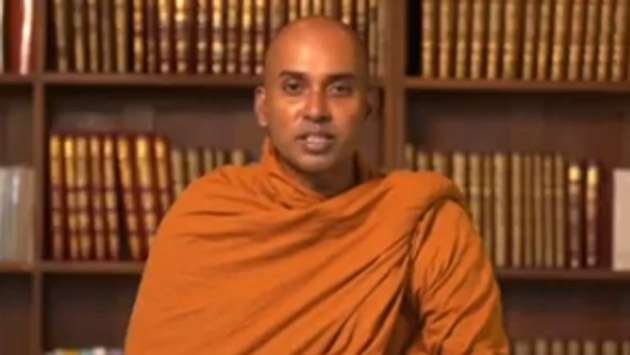
COLOMBO – In a significant move highlighting the enduring spiritual ties between Sri Lanka and India, a prominent Sri Lankan Buddhist monk has formally dispatched a message of Dhamma—the fundamental teachings of the Buddha—to Indian Prime Minister Narendra Modi. The initiative, which has sparked interest across diplomatic and religious circles, is being viewed as a timely call for peace, compassion, and ethical governance in the South Asian region.
The message, delivered through official channels, emphasizes the relevance of Buddhist philosophy in addressing contemporary global challenges. At its core, the communication urges leaders to adopt a path of “middle-way” diplomacy, stressing that sustainable development and national progress are best achieved when underpinned by the values of Ahimsa (non-violence) and Karuna (compassion).
For Prime Minister Modi, who has frequently engaged with the Buddhist heritage of India, the message serves as a reminder of the shared cultural and historical lineage between the two nations. Sri Lanka, which considers itself a primary custodian of Theravada Buddhism, has often utilized religious diplomacy to strengthen the “civilizational bond” with its northern neighbor. Observers note that this gesture comes at a juncture where both nations are looking to deepen cooperation in areas ranging from economic recovery to heritage preservation.
“The Dhamma is not merely a set of religious rites; it is a framework for just governance and the collective welfare of all beings,” a spokesperson for the monk’s organization noted, speaking on condition of anonymity. “In sending this message, the aim is to encourage a dialogue that transcends political boundaries and taps into the ancient wisdom that has connected our people for millennia.”
The move has prompted a flurry of discussion within Sri Lanka’s intellectual and religious communities. While some view the message as a purely spiritual outreach, others interpret it as a subtle nudge for the Indian leadership to continue prioritizing regional stability and humanitarian support as Sri Lanka continues its complex recovery from recent economic volatility.
The message specifically highlights the concept of Dharmic leadership, suggesting that leaders who prioritize the ethical well-being of their citizens foster lasting prosperity. By invoking these ancient principles, the monk hopes to influence a paradigm shift in how modern states approach domestic and international relations.
While the Indian Prime Minister’s Office has yet to issue a formal statement regarding the contents of the correspondence, the gesture has been well-received by those advocating for stronger cultural ties. Diplomatic analysts suggest that the outreach is consistent with the “Neighbourhood First” policy, as both countries continue to emphasize the deep-rooted Buddhist connections that define their shared history.
As the regional political landscape continues to evolve, this appeal to Dhamma underscores the continued power of soft power and religious diplomacy in shaping the future of South Asian relations.
Disclaimer: This content is auto-generated for informational purposes only.
Source: Read Original News