







CHENNAI, India (MNTV) — Tamil Nadu Chief Minister M. K. Stalin on Saturday criticized the Central Board of Secondary Education’s (CBSE) new curriculum framework, alleging that its three-language formula is a “covert mechanism” to promote Hindi in non-Hindi-speaking states.
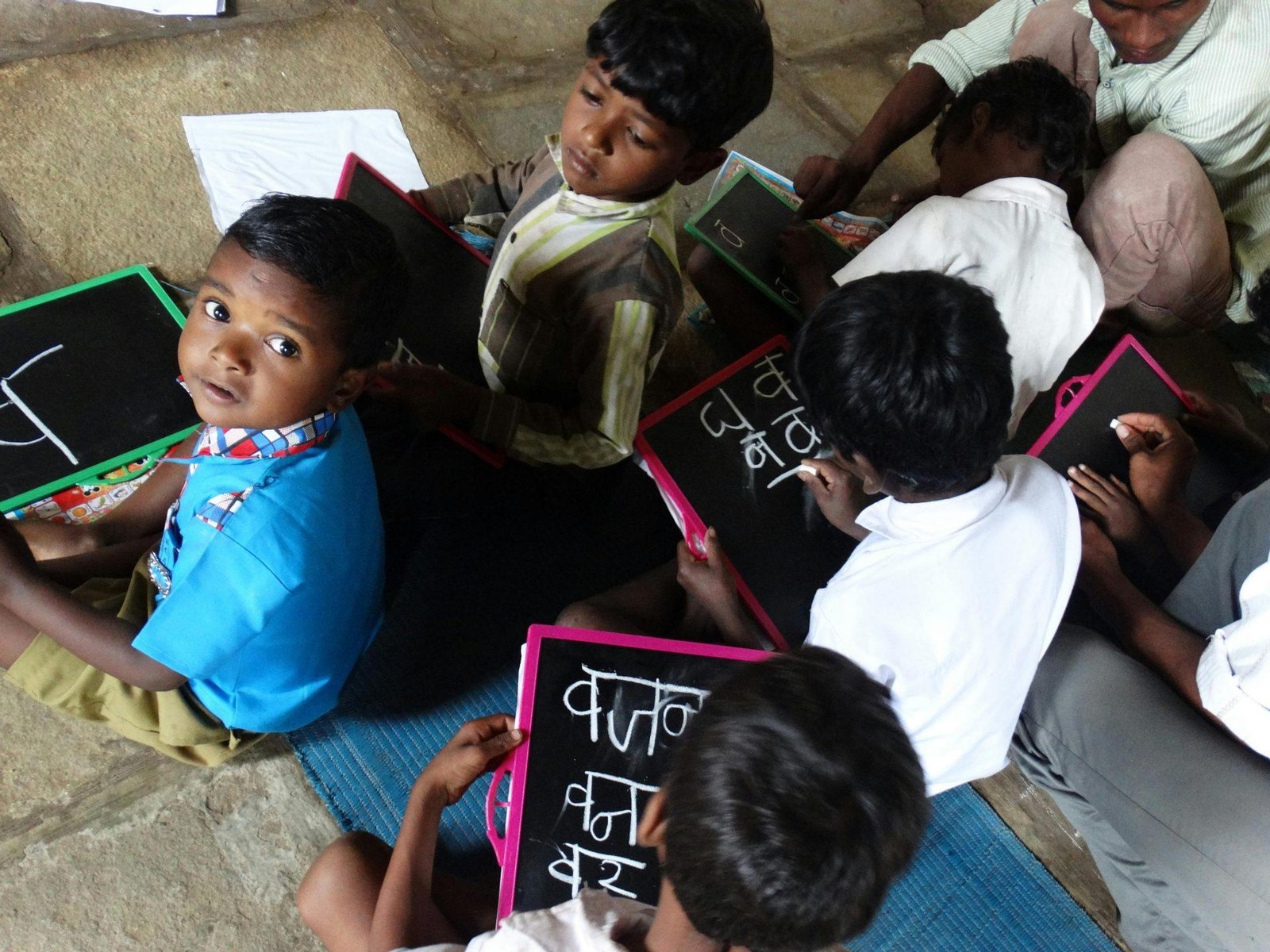
The framework is aligned with the National Education Policy 2020 and proposes phased implementation of a three-language system, including mandatory assessments from the 2027–28 academic session.
Stalin, who leads the Dravida Munnetra Kazhagam (DMK), said the policy goes beyond academic reform and reflects a long-standing concern over linguistic imposition. He argued that the formula effectively makes Hindi compulsory for students in southern states.
“The so-called three-language formula is, in reality, a covert mechanism to expand Hindi into non-Hindi-speaking regions,” he said.
Raising concerns about fairness, Stalin questioned whether students in Hindi-speaking states would be required to learn regional languages such as Tamil, Telugu, Kannada, Malayalam, Bengali, or Marathi. He said the absence of such reciprocity makes the policy “one-sided and discriminatory.”
He also criticized the center’s approach, noting that Tamil has not been made mandatory in Kendriya Vidyalaya schools and that there is a shortage of Tamil teachers. “This is not commitment, this is rank hypocrisy,” he said.
Stalin further questioned the feasibility of implementing the policy, citing concerns over the availability of trained teachers, infrastructure, and funding.
“Where are the qualified teachers to implement this? And where is the funding to support this enormous burden?” he asked, calling the framework “ill-conceived.”
He warned that the policy could create structural advantages for Hindi-speaking students in higher education and employment, potentially widening regional disparities.
Stalin said the focus should instead be on strengthening skills in emerging sectors such as artificial intelligence, as well as promoting scientific temper and critical thinking.
Calling the move an affront to cooperative federalism, he said it disregards the concerns of Tamil Nadu and other states and threatens India’s linguistic diversity.
Separately, DMK MP Kanimozhi Karunanidhi also criticized the move, calling it a “clear push for Hindi imposition.”
She said the proposed mandatory assessments under the three-language formula would place an “unnecessary and unfair burden” on students and described the policy as a “draconian attack” on the languages and cultures of non-Hindi-speaking states.