






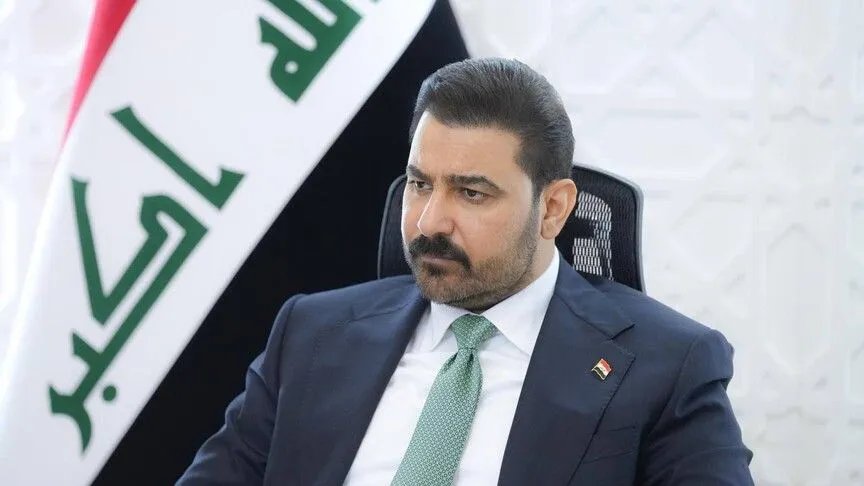
AMMAN — In a significant move toward regional integration and sustainable development, Iraq and Jordan signed a series of nine cooperation agreements on Monday, formalizing a shared commitment to addressing pressing environmental and economic challenges. The signing ceremony, held in the Jordanian capital, was presided over by Iraqi Prime Minister Ali al-Zaidi and his Jordanian counterpart, Jafar Hassan, marking a new chapter in the bilateral relationship between the two neighboring nations.
Among the cornerstone documents finalized during the visit is a comprehensive memorandum of understanding (MoU) focused on environmental protection. As both nations grapple with the escalating impacts of climate change—most notably severe water scarcity, desertification, and record-high temperatures—this agreement signifies a structural shift toward a collaborative approach to resource management and ecological preservation. By aligning their environmental strategies, Baghdad and Amman aim to address the shared threats posed by dust storms and the depletion of transboundary water resources, issues that have increasingly plagued the Mesopotamian and Levantine regions.
The agreements come at a time when the Middle East is identified as one of the world’s most vulnerable regions to climate-induced instability. For Iraq, the partnership offers a vital lifeline to exchange expertise with Jordan, which has long been a leader in water conservation technology and renewable energy policy. Conversely, the cooperation allows Jordan to deepen its economic integration with Iraq, which Prime Minister al-Zaidi described as a “strategic partner” during his visit.
Beyond the environmental mandate, the multifaceted nature of the accords reflects a broader goal of regional stabilization through economic synergy. The signing included an agreement on competition and the prevention of monopolies, as well as a framework to support small- and medium-sized enterprises (SMEs). Officials noted that these economic pillars are essential for fostering a stable environment in which sustainable development projects—including green investment initiatives—can thrive.
The diplomatic mission also addressed the critical intersection of human capital and policy. A major memorandum on higher education and scientific research covering the period of 2026–2031 was ratified, alongside an executive program for educational cooperation. Analysts suggest that by integrating academic and scientific research between the two countries, Iraq and Jordan are positioning themselves to better address environmental crises through innovation and data-driven policymaking. The inclusion of a formal link between Jordan’s Diplomatic Institute and Iraq’s Foreign Service Institute underscores a long-term commitment to coordinating these policies on the international stage.
During his meetings with King Abdullah II and the extended ministerial delegations, Prime Minister al-Zaidi emphasized the necessity of a free trade zone, a move intended to bolster economic resilience. Increased trade and investment flow between the two nations are expected to provide the capital necessary for large-scale infrastructure projects, many of which are projected to include climate-resilient construction and energy-efficient systems.
Jordanian Prime Minister Jafar Hassan reaffirmed his country’s commitment to this integration, noting that the partnership is designed to span several years, with executive programs extending through 2031. For both nations, these agreements are not merely bureaucratic formalities but are seen as essential tools for survival in an era of environmental volatility. By pooling their diplomatic, scientific, and economic resources, Iraq and Jordan are attempting to insulate their citizens from the worst effects of regional instability and environmental degradation, setting a precedent for collective action in the Middle East.
Disclaimer: This content is auto-generated for informational purposes only.
Source: Read Original News