






India Weighs New Tax Pact as Economic Ties with Liechtenstein Deepen
New Delhi: India is currently reviewing a draft proposal from Liechtenstein aimed at establishing a Double Taxation Avoidance Agreement (DTAA). The initiative, which seeks to streamline fiscal relations and bolster cross-border investment, was confirmed by senior officials following a high-level diplomatic visit to New Delhi this week.
Sibi George, Secretary (West) at the Ministry of External Affairs, announced that the proposal is currently under the purview of the Ministry of Finance. Experts are evaluating the document to determine how it can effectively accelerate economic synergy between the two nations.
Strengthening the Economic Framework
A DTAA serves as a critical bilateral treaty designed to ensure that taxpayers are not burdened by paying levies on the same income in two different jurisdictions. While India already maintains a tax information exchange agreement with the European principality, the proposed DTAA would represent a significant escalation in formal economic cooperation.
“The Liechtenstein side views a DTAA as an enabling framework to provide greater predictability and legal certainty for investment by their companies in India,” George explained during a briefing on the visit of Hereditary Prince Alois. Currently, cumulative Foreign Direct Investment (FDI) from Liechtenstein into India stands at approximately $110 million. Authorities believe that formalizing this tax treaty could catalyze further interest from European firms looking to tap into the Indian market.
Strategic Bilateral Talks
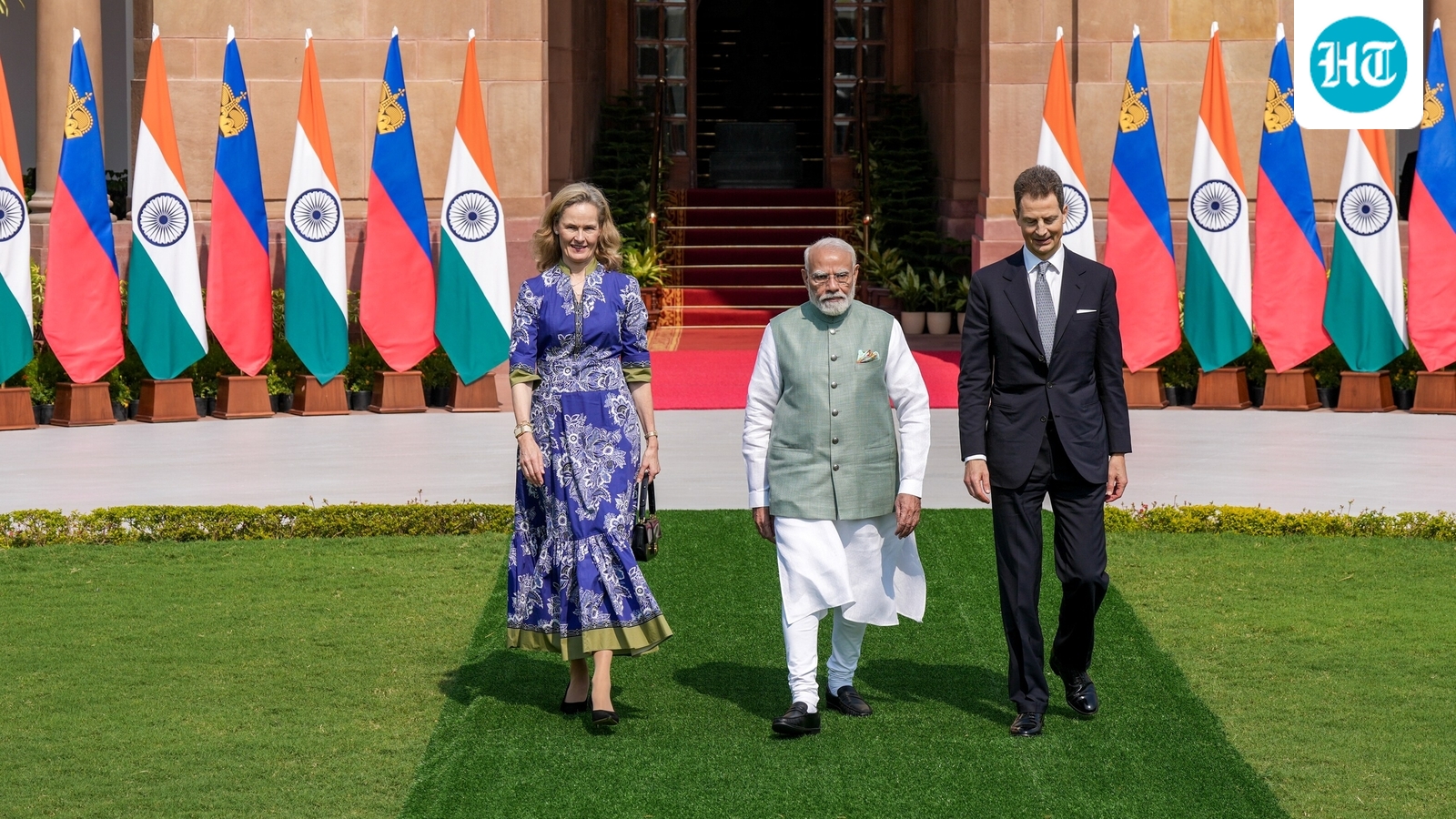
The diplomatic discussions coincided with the visit of Prince Alois and Princess Sophie, who led a high-profile delegation of industry leaders to the capital. Prime Minister Narendra Modi met with the Prince at Hyderabad House on Tuesday to outline a roadmap for deeper engagement.
The talks centered on critical sectors, including advanced manufacturing, space technology, financial services, and sustainable agriculture. Both leaders emphasized a focus on the “3Ts”—trade, technology, and talent—as the cornerstone for future collaboration.
Expanding the EFTA Partnership
This visit carries extra weight as it marks the first anniversary of the operationalization of the Trade and Economic Partnership Agreement (TEPA) between India and the European Free Trade Association (EFTA), which includes Liechtenstein, Iceland, Norway, and Switzerland.
The TEPA is an ambitious long-term pact with a target of $100 billion in investment from EFTA nations into India over the next 15 years. The agreement is also designed to act as a catalyst for local employment, with a goal of creating one million direct jobs within the country.
“Its effective implementation can help expand trade and investment ties and create new opportunities for businesses in both countries,” George noted.
Beyond trade, the two nations are exploring robust institutional partnerships in vocational education and skill development. By leveraging industry linkages and the exchange of expertise, India and Liechtenstein aim to build a sustainable talent pipeline. For Prince Alois, who was making his fifth visit to India, the trip underscored a growing commitment to aligning Liechtenstein’s niche industrial strengths with India’s rapidly expanding innovation and manufacturing ecosystem. As the Finance Ministry continues its examination of the DTAA proposal, the move signals a proactive step toward removing bureaucratic hurdles and inviting further European capital into the Indian growth story.
Disclaimer: This content is auto-generated for informational purposes only.
Source: Read Original News