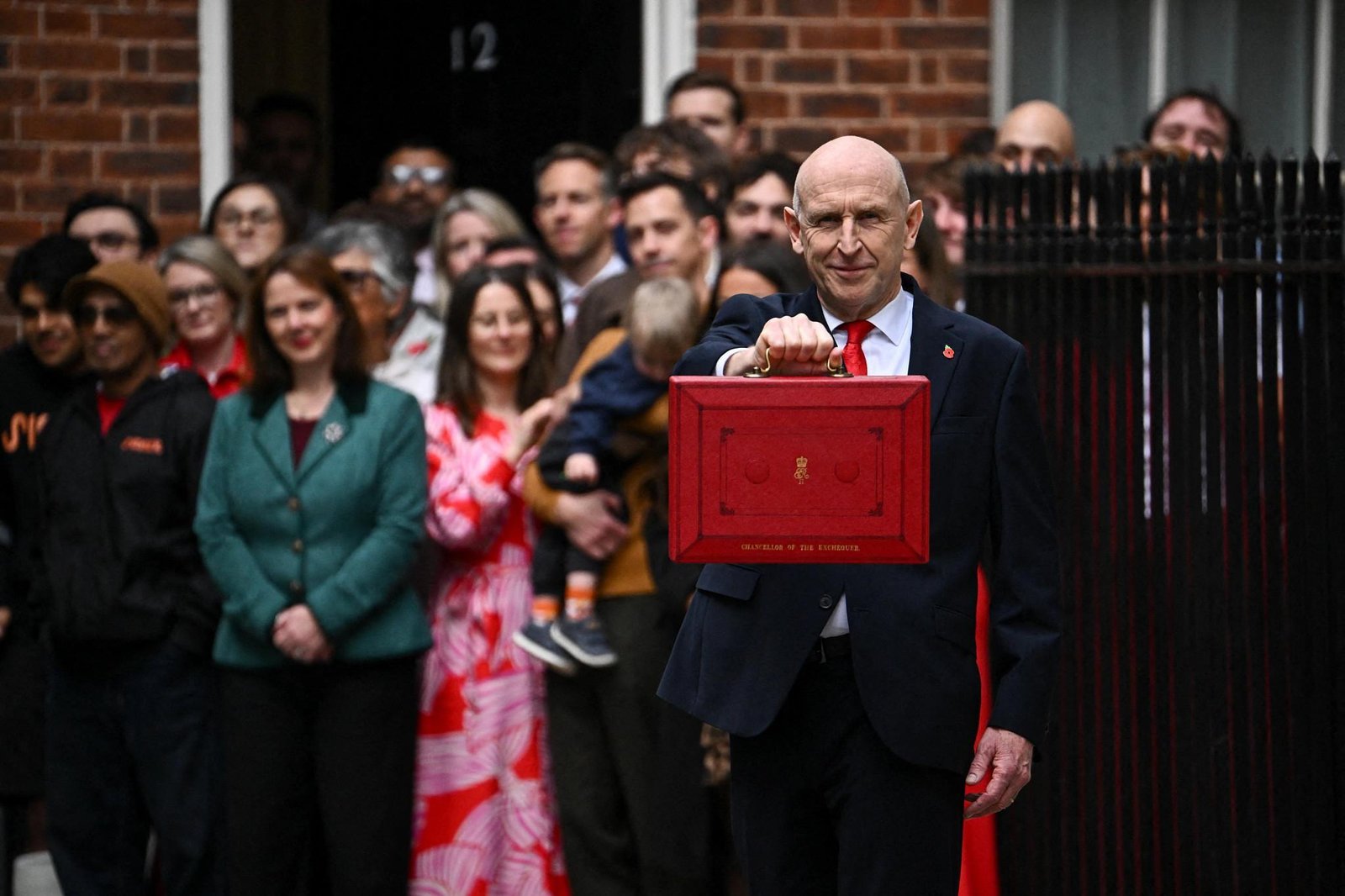









Chancellor of the Exchequer John Healey has unveiled the first Budget under Prime Minister Andy Burnham’s new Labour administration, framing the package as a vital “breathing space” for British households and businesses facing the dual pressures of persistent inflation and energy price volatility. While the government emphasized stability, the reaction from industry leaders suggests a complex path ahead for the UK’s economic recovery.
AI Integration and Data Centre Infrastructure
A cornerstone of the administration’s growth strategy involves leveraging artificial intelligence to modernize public services and secure the nation’s digital future. Chancellor Healey announced that the government expects to save £600 million in back-office administrative costs by integrating AI solutions across the civil service.
Beyond operational efficiency, the government has launched a “new deal for data centres.” Recognizing that modern AI infrastructure is reliant on massive computing power, the Budget provides a framework for data centre projects that prioritize local community benefits, such as job creation and water conservation. Under a new “data centres covenant,” approved projects will receive priority grid access and permission for on-site energy generation, a move designed to keep sensitive government data—including sensitive NHS and military information—under domestic control. This initiative is explicitly intended to position the UK as a leader in the global AI race while ensuring that infrastructure expansion does not outpace national energy security.
The Real Estate and Housing Strategy
The Budget introduced significant, albeit polarizing, changes for the real estate sector. To stimulate the housing market, the government unveiled a “Your First Home” initiative, featuring a new first-time buyer ISA launching in 2029 that offers a 25% government bonus on savings. This replaces the existing Lifetime ISA for new participants, though the government also moved to immediately reduce withdrawal penalties for existing users purchasing properties above current price caps.
However, industry figures remain cautious. While the government pledged a stable environment for building regulations—a welcome move for long-term project planning—tax experts noted that the increase in property income tax rates and the additional 2% withholding tax on Real Estate Investment Trusts (REITs) could dampen investor appetite. Vanessa Hale, chief executive of Real Estate:UK, warned that while the government’s focus on affordability is positive, the “viability crisis” regarding construction costs and regulatory burdens remains unresolved.
Business Rates and High Street Reform
Central to the Burnham administration’s regional renewal agenda is a comprehensive overhaul of the business rates system. Healey confirmed a significant expansion of relief for the retail, hospitality, and leisure sectors, funded largely by increased taxes on high-stakes machine gambling and enhanced compliance measures for online marketplaces.
By raising the Small Business Rate Relief threshold to £18,000, the Treasury estimates that tens of thousands of cafes, pubs, and shops will be removed from the business rates roll entirely by 2027. Furthermore, the government announced a “fiscal devolution roadmap,” intending for 100% of business rates to be retained locally by the end of the decade. This transition aims to empower regional authorities in areas like Greater Manchester, the West of England, and the North East to drive their own economic development through new strategic retention zones.
Despite these targeted measures, critics remain vocal. Retail lobbyists argue that the reforms do not go far enough to close the competitive gap between traditional “bricks-and-mortar” businesses and online giants. As the government attempts to balance immediate cost-of-living relief with long-term infrastructure investment, the market’s response will ultimately hinge on the credibility of these fiscal forecasts and the ability to maintain manageable borrowing costs.
Disclaimer: This content is auto-generated for informational purposes only.
Source: Read Original News