






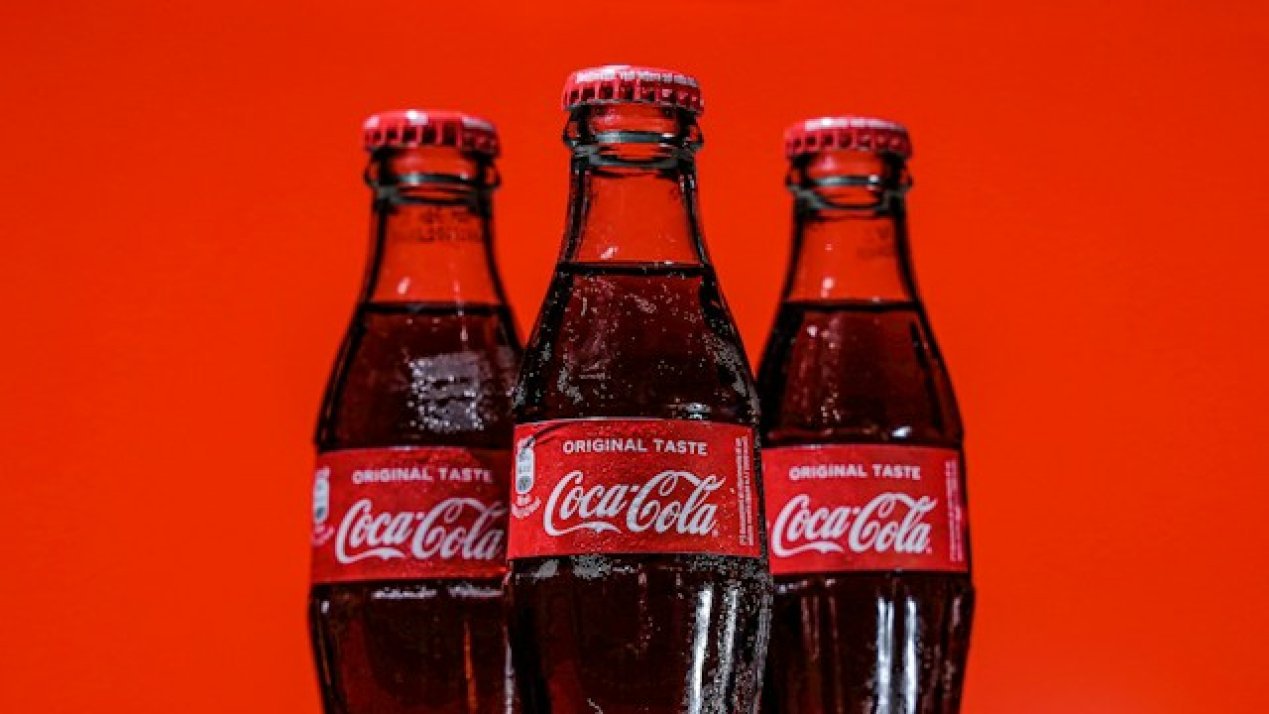
Mexico’s beverage sector is undergoing a profound transformation as the implementation of a massive tax hike on sugary drinks forces major players like Coca-Cola FEMSA to rethink their operational strategies. In 2026, the Mexican government escalated the Special Tax on Production and Services (IEPS) on sugar-sweetened beverages by nearly 87%, jumping to MX$3.08 per liter. This aggressive fiscal policy, aimed at curbing public health concerns, has sent shockwaves through the retail landscape, compelling companies to pivot toward affordability and portfolio diversification to maintain market share.
Prioritizing Scale Over Profit Margins
Facing a consumer base under pressure from inflation and the new tax, Coca-Cola FEMSA has opted for a strategic trade-off: maintaining volume at the expense of short-term margins. During the third quarter of 2026, the company successfully grew its sales volume in Mexico by 4.2%. This was achieved largely by prioritizing large, multi-serve formats in traditional “tiendita” grocery stores, which provide better value for cost-conscious families.
However, this focus on volume has come with a cost. The operating margin for the Mexico and Central American division saw a contraction of 170 basis points, landing at 14.3%. Executives noted that while the volume exceeded internal projections, the rising costs of freight and logistics—exacerbated by the need to ship products long distances to satisfy demand—eroded the company’s bottom line. To mitigate these structural costs, the firm has announced plans to construct a new manufacturing facility in southeastern Mexico, a move intended to streamline distribution and improve long-term operational efficiency.
The Rise of Non-Carbonated Alternatives
Perhaps the most significant takeaway from the recent financial data is a clear shift in consumer preference. While soft drink sales advanced by 3.9%, water volume skyrocketed by 20.2%—growing five times faster than carbonated beverages. This indicates that consumers are not just buying less due to higher prices; they are fundamentally altering their consumption habits toward healthier alternatives.
The industry is responding to this data-driven shift by aggressively expanding its non-soda portfolio. Recent launches, such as Coca-Cola Triple Zero and various Topo Chico line extensions, are part of a broader “revenue growth management” (RGM) strategy. By leveraging data analytics to track local repurchase rates and retail coverage, the company is attempting to keep pace with changing demands. The success of Ciel Aguas Frescas, which gained 7.6 percentage points of market share following its May launch, proves that innovation remains the strongest tool for bottlers looking to navigate a more regulated market.
Regional Contrasts and Future Outlook
While the Mexican market remains a complex puzzle due to the IEPS increase, other regions in Latin America are providing a necessary buffer. South America, particularly Brazil and Colombia, delivered a 14.7% revenue increase for the company, highlighting the disparity in current economic environments.
As the industry looks ahead, the “playbook” for success involves a blend of traditional grit and modern technical adaptation. Leadership at The Coca-Cola Company, including CEO James Quincey, has signaled that they are applying lessons learned during the 2014 tax implementation to the current cycle. By utilizing advanced AI-driven logistical planning and localized marketing, firms are attempting to balance the “difficult” environment in Mexico with the need for sustained growth. Whether this strategy can fully insulate manufacturers from the ongoing shift in consumer health priorities remains the core question for stakeholders as they head into 2027.
Disclaimer: This content is auto-generated for informational purposes only.
Source: Read Original News