








India to Secure Key Gains in Upcoming Trade Pact with US, Says Piyush Goyal
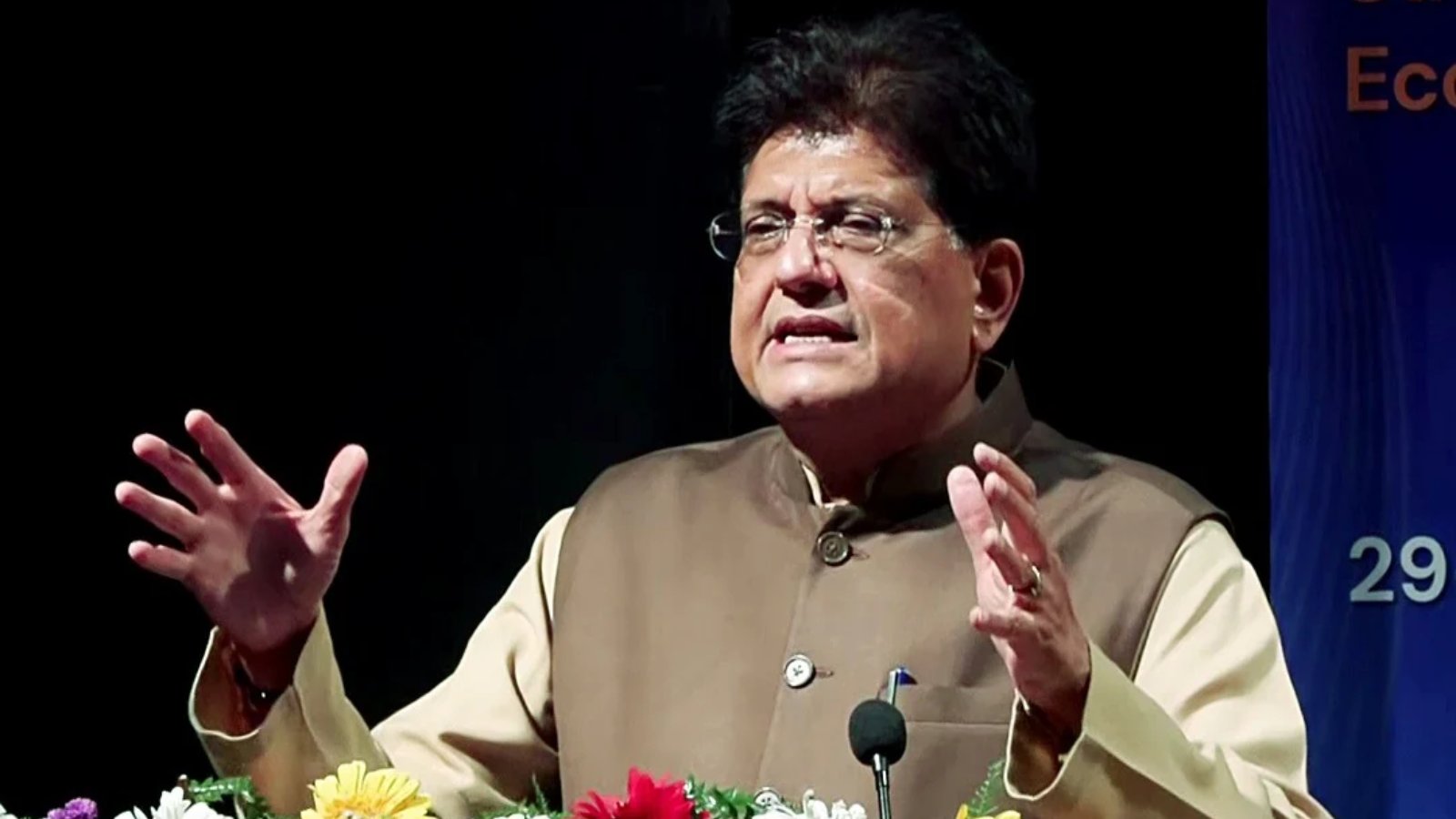
Commerce and Industry Minister Piyush Goyal asserted on Thursday that India’s sensitive economic sectors have been fully shielded in the upcoming trade agreement with the United States. Speaking at a conference organized by the Institute for Studies in Industrial Development (ISID), Goyal emphasized that the deal would provide India with a significant competitive edge on the global stage.
The Minister’s remarks follow recent comments by US Secretary of State Marco Rubio, who indicated that negotiations are in the final stretch, with approximately 99% of the work completed. Despite the nearing deadline, some critics have raised concerns regarding the potential impact of the pact. Dismissing these objections, Goyal stated that much of the criticism stems from a lack of understanding regarding the deal’s actual provisions, which have yet to be made public.
Protecting Farmers and Boosting Competitiveness
“I have the courage of conviction to announce boldly that when the details emerge, the people of India will celebrate,” Goyal declared. He assured the public that no interests belonging to India’s farming community have been compromised. Instead, he argued that the agreement is grounded in the principle of comparative advantage, where India’s ability to compete effectively against its trading partners takes precedence over absolute numbers.
The path to this deal cleared significantly earlier this month when the US decided to pause the implementation of the Lindsey O. Graham Sanctioning Russia and Iran Act of 2026. That legislation had previously threatened to impose up to 100% tariffs on countries importing Russian oil, including India. Rubio confirmed that the US took India’s strategic trade interests into account when choosing to defer these tariffs. This move effectively addressed the primary friction point between the two nations, allowing them to find common ground on broader trade issues.
Strategic Trade Policy and Lessons from the Past
India has also made strides in its domestic policy to align with international trade standards. In line with the Section 301 investigations regarding market overcapacity, India has joined other G20 nations in pledging structural reforms in key sectors, including automobiles, electric vehicles, semiconductors, and solar energy. Furthermore, India has already implemented a ban on goods produced through “forced labor,” signaling a commitment to ethical trade standards.
Goyal took the opportunity to contrast current trade strategy with past economic policies. He noted that since 2019, India has pivoted toward forming agreements with nations that provide complementary advantages, ensuring that trade serves as a tool for national development rather than an imbalance.
Reflecting on his decision to exit the Regional Comprehensive Economic Partnership (RCEP) in 2019, the Minister described the move as a vital protective step for India’s industrial base. “Otherwise, we would have been a nation of salesmen and salesgirls marketing Chinese goods in India,” he remarked, reiterating that the RCEP would have been detrimental to India’s domestic manufacturing growth. By prioritizing self-reliance and targeted partnerships, Goyal believes India is now positioned to leverage its industrial potential far more effectively than it would have under previous multilateral frameworks.
Disclaimer: This content is auto-generated for informational purposes only.
Source: Read Original News