






The Changing Landscape of Indian Credit Consumption
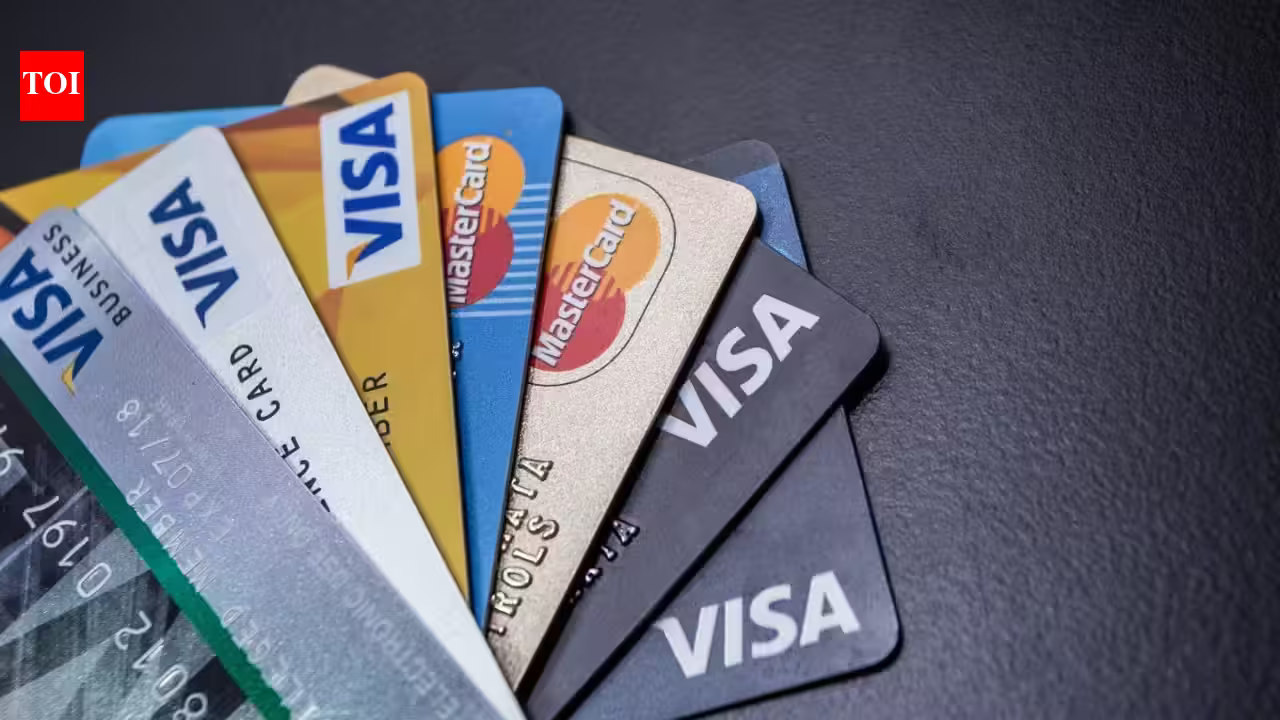
The Indian credit card market has entered a phase of recalibration, characterized by a complex interplay of seasonal shifts, changing consumer behavior, and evolving payment ecosystems. Recent data for September 2026 highlights a significant contraction in credit card spending, which fell 5.9% year-on-year to approximately Rs 2 lakh crore. This development marks the first annual decline since February 2021, serving as a critical indicator of the current state of consumer discretionary expenditure.
To understand this downturn, it is essential to look beyond the headline figures. The primary driver of this variance is the calendar shift of the Indian festive season. In 2025, the late September period saw a surge in spending due to early online festive sales. Conversely, in 2026, the festive cycle shifted into October. When accounting for the combined performance of August and September, the spending levels remained relatively flat, indicating that the decline is a structural timing issue rather than a fundamental erosion of consumer credit appetite.
However, market analysts from CareEdge Ratings observe that this temporal shift is layered over a broader deceleration in growth. The momentum that fueled the credit boom of previous quarters has moderated, with year-on-year growth slowing from 7.9% in the first quarter of the fiscal year to 6.7% through July and August. This cooling phase reflects a maturing market where both issuers and borrowers are navigating higher base effects and a more cautious approach to debt.
Dissecting the Spending Metrics and Transaction Patterns
A deeper analysis of the transaction data reveals a clear transformation in how credit cards are being utilized in the Indian economy. While total spending contracted, the number of outstanding credit cards grew by 10.5% year-on-year, reaching 12.5 crore in September 2026. This divergence between an expanding card base and declining aggregate volume has led to a 14.8% reduction in spending per card, which dropped to Rs 16,305.
This metric is particularly informative when viewed alongside transaction frequency. Interestingly, cardholders used their cards 4.9 times on average in September, up from 4.4 times in the same period last year. This indicates that while the total monetary value of transactions is down, the utility of the card as a payment tool is rising. The average transaction value has declined by 23.6% to Rs 3,343, a trend driven largely by the integration of credit cards with the Unified Payments Interface (UPI).
The shift toward smaller-ticket transactions via UPI is fundamentally changing the profile of credit card usage. Payments that were once reserved for larger PoS (Point of Sale) purchases are now being processed through UPI-linked credit accounts. This democratizes the use of credit for everyday, lower-value expenditures, such as groceries or transit, naturally suppressing the average transaction size while simultaneously increasing the total number of transactions processed by the banking system.
The Role of Institutional Strategy and Market Saturation
The growth of the card base despite the drop in overall spending signals that Indian banks, both in the public and private sectors, remain aggressive in their pursuit of customer acquisition. In the second quarter of fiscal 2027, the largest private sector banks and entities like SBI Card demonstrated significant issuance velocity, adding millions of new accounts. This strategy underscores the long-term belief in the retail lending segment as a cornerstone of bank balance sheets.
However, the performance across different banking categories has not been uniform. Public sector banks saw a 9.3% decline in spending, while private sector banks experienced a 6.2% fall. In contrast, foreign banks and small finance banks recorded growth, albeit from a much smaller market footprint. This disparity suggests that larger issuers are facing the dual pressure of managing a vast, mature customer base while trying to maintain quality standards in a period of cooling demand.
Bankers remain optimistic about the third quarter, noting that retail lending demand remains resilient. The willingness of banks to ease lending terms slightly, combined with the expected festive uplift in October, suggests that the September contraction will likely be viewed as a transient blip in a long-term growth trajectory. The focus for institutions has shifted toward maintaining high transaction frequency to offset the decline in average transaction value, ensuring that cards remain the primary instrument for daily consumer liquidity.
Integrating UPI into the Credit Ecosystem
The integration of UPI with credit cards stands out as the most disruptive factor in the current market environment. SBI Card’s report of over Rs 21,000 crore in UPI-linked spending—accounting for approximately 20% of its total turnover—is a testament to the success of this infrastructure. This integration is the primary reason for the observed 28% decline in online transaction values, as consumers shift from using cards for large-ticket festive items to using them for fragmented, high-frequency UPI payments.
This transition presents a strategic dilemma for card issuers. On one hand, it increases the stickiness of the product, as the card becomes an indispensable part of a user’s daily life. On the other hand, it changes the revenue model by increasing the volume of small-ticket transactions, which require efficient processing systems to remain profitable. As the Indian consumer continues to prefer the seamless nature of UPI, issuers are compelled to optimize their reward structures and interest models to remain relevant in a landscape that prioritizes convenience over the high-value transactions of the past.
Outlook: Sustaining Momentum Through the Festive Quarter
As the industry looks toward the remainder of the fiscal year, the focus will be on the efficacy of festive demand in reclaiming lost ground. With expectations that spending will reach Rs 2.3 to 2.4 lakh crore in October, the industry is poised to see a correction in the growth figures. The structural demand for credit remains robust, driven by the digital-first habits of the urban and semi-urban population.
The current slowdown should be interpreted as a period of consolidation. After years of rapid expansion, the card industry is adjusting to a new equilibrium where transaction volume is high but the monetary value per transaction is calibrated to lower-value, high-frequency digital payments. For stakeholders in the Indian financial sector, the success of the coming quarters will depend on how effectively they can manage the credit quality of these new, smaller accounts while navigating the competitive landscape of the retail lending sector.
Ultimately, the data from September 2026 acts as a snapshot of a market in transition. The decline in year-on-year spending is less a reflection of economic distress and more a consequence of a shift in consumer behavior and seasonal timing. As the digital infrastructure continues to evolve, the credit card industry in India is transitioning from a high-value tool for the affluent to a ubiquitous instrument of the digital economy, setting the stage for a new phase of growth in the years to come.
Disclaimer: This content is auto-generated for informational purposes only.
Source: Read Original News