







Exotic Pet Boom in India: A Growing Market Amidst Regulatory Hurdles
India’s exotic pet market is witnessing an unprecedented surge, with its valuation hitting $42.6 million in 2024. Industry experts project this figure could nearly double by 2030, driven by a combination of rising disposable incomes, the pervasive influence of social media, and the glamorization of unconventional animals in popular culture. However, this growth has raised significant alarms among conservationists, who warn that the trade is often facilitated by significant legal loopholes and weak enforcement.
The Role of Digital Platforms
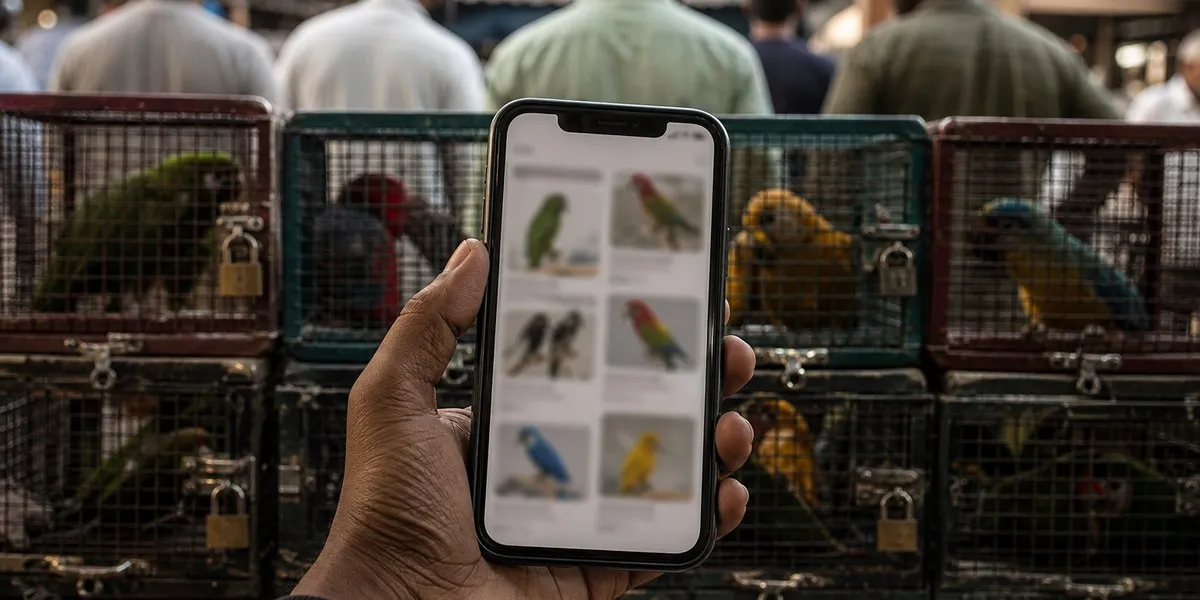
A recent report by Humane World for Animals highlights that while domestic laws are designed to curb illegal wildlife trafficking, the exotic pet trade thrives in the shadows of the internet. Unregulated online platforms and closed messaging groups have become the primary marketplaces for these transactions. By operating in encrypted digital spaces, sellers effectively bypass essential health checks, mandatory documentation, and ethical oversight.
Sumant Bindumadhav, director of Humane World for Animals in India, points to a concerning trend of “normalization.” Algorithms on social media platforms frequently promote videos of influencers interacting with exotic wildlife, which triggers a desire among viewers to own similar animals. This trend is further compounded by the rise of petting zoos, where physical contact with non-native species fosters an unrealistic perception of these animals as domestic companions.
Regulatory Challenges and Compliance
In an attempt to bring the exotic pet trade into the mainstream, the Indian environment ministry launched a voluntary declaration scheme in 2020. This initiative allowed pet owners to report non-native species to authorities without facing legal repercussions. The response was significant, with over 40,000 individuals across 30 states and union territories participating.
Despite this, legislative frameworks remain complex. Environmental lawyer Shubhra Sothiye notes a crucial distinction: while the trade of native Indian wildlife is strictly prohibited, the market for exotic, non-native species remains legal but heavily regulated. The challenge lies in the execution of these regulations.
The Humane World for Animals report identifies several systemic failures that hinder effective governance. Technical glitches in registration portals often make it difficult for owners to comply, while authorities struggle to accurately identify certain registered species. Furthermore, there is a lack of clarity regarding the legal status of species that fall outside the appendices of the CITES (Convention on International Trade in Endangered Species) agreement.
A Systemic Enforcement Gap
Conservationists also point to fragmented coordination between government agencies during customs and border control operations as a major barrier. Once animals are seized, the lack of standardized protocols for their long-term care or potential repatriation leaves these creatures in a state of legal and physical limbo.
As the market continues to expand, the intersection of digital convenience and regulatory complexity poses a formidable challenge for Indian authorities. Without more robust enforcement, better inter-agency cooperation, and a crackdown on the illicit online trade, the country risks becoming a hub for unregulated exotic wildlife ownership, with serious implications for both animal welfare and ecological safety.
Disclaimer: This content is auto-generated for informational purposes only.
Source: Read Original News