









The Driveway Divide
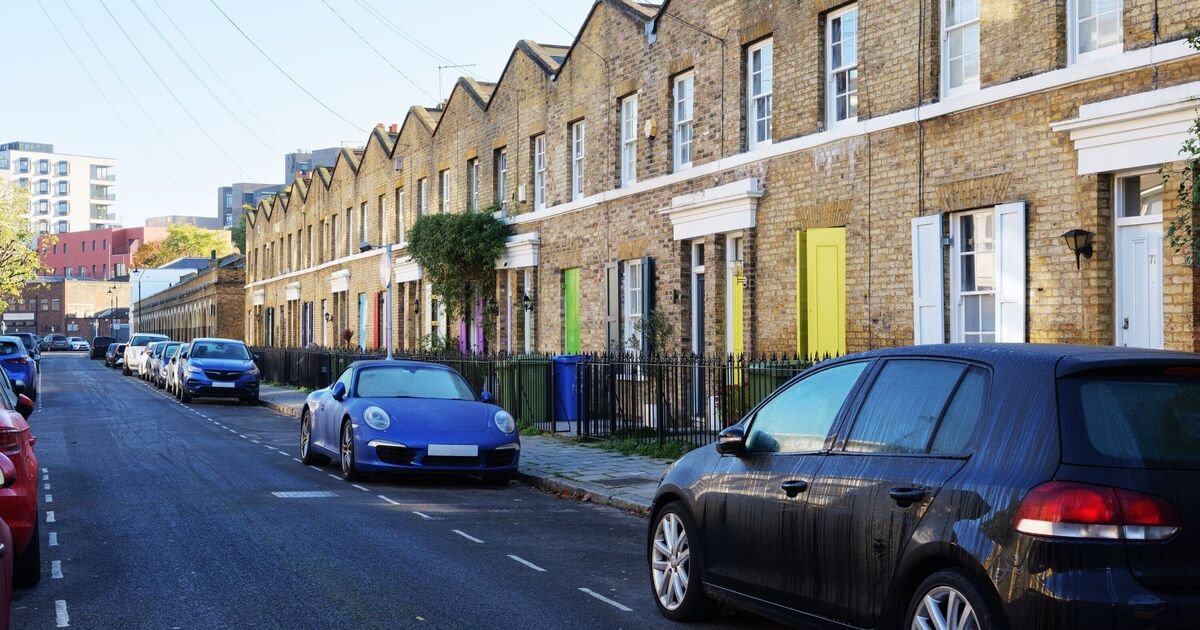
If you currently own an electric car or are considering making the leap, you have likely noticed a strange quirk in the world of modern motoring. There is a clear, persistent split between those who can charge at home and those who rely on the public network. It is the classic tale of the haves and the have-nots, but in this case, the divide is determined by whether you have a private driveway or a designated garage.
Recent reports have highlighted a significant imbalance in how the government supports different types of drivers. While fuel duty relief for petrol and diesel cars continues to receive substantial financial backing, the infrastructure for public electric vehicle charging faces a more complicated road. For the average family, this creates a frustrating reality. If you have the luxury of a home charger, you benefit from lower electricity costs and a lower tax rate. If you park on the street, you are essentially hit with a 20 percent VAT penalty every time you plug in at a public station. It feels like an unfair surcharge for the simple act of living in an apartment or a home without off-street parking.
Navigating the Charging Landscape
Living without a home charger does not mean you have to abandon the idea of driving electric, but it does require a bit more strategy. Until policy catches up to the reality of city living, you have to become a pro at planning your energy intake. Think of it like managing a smartphone battery, but with a bit more foresight.
Most seasoned electric car owners who park on the street have learned to map out their routines around their local infrastructure. Instead of viewing a charging stop as a chore, look at it as a moment to reclaim twenty minutes of your day. Whether you use that time to catch up on podcasts, finish a book, or simply enjoy a quiet coffee, integrating these stops into your weekly schedule makes the process feel far less cumbersome.
Making the Switch Work for Your Budget
With the cost of living being a primary concern for every household, it is natural to look at the numbers closely. While the government has pledged some funds to help lower the price of public charging by 2027, the gap between home and public costs remains a hurdle for many. If you are determined to make the switch, start by doing your homework on your local area.
Check for apps that track real-time availability and pricing of nearby chargers. Some providers offer memberships or loyalty schemes that can take the sting out of the higher VAT rates. It is also worth checking if your workplace offers charging facilities, as this is often the most cost-effective way to keep your battery topped up while you are busy with your day. Small steps in planning can save you a significant amount over the course of a year.
Looking Toward a Smoother Future
Change is rarely linear, and the transition to electric mobility is no exception. While current policies may seem to favor those with private driveways, the long-term direction of the automotive industry is clearly moving away from combustion engines. Despite the current bumps in the road, the convenience of electric vehicles—the quiet ride, the low maintenance, and the instant torque—remains a major draw for families looking to update their lifestyle.
As more people advocate for a fair playing field, we can expect the infrastructure to become more inclusive. The goal is to reach a point where your parking situation does not dictate the cost of your commute. In the meantime, focus on the benefits that align with your personal needs. For many, the transition is about more than just fuel prices; it is about embracing new technology and contributing to a quieter, cleaner environment in our neighborhoods.
Staying Informed and Prepared
Staying ahead of the curve means keeping an eye on how these tax policies and charging packages evolve. With major shifts in taxation planned for 2028, it is a good time to keep your long-term plans flexible. Don’t let the current news cycle overwhelm you; instead, focus on how you can best utilize the resources available right now.
If you are currently researching your next car, take the time to test drive a few models and look at the charging network in your specific neighborhood. When you remove the stress of the unknown, the choice becomes much simpler. Whether you are charging at a rapid station during a lunch break or plugging in at a local council-installed post, you are participating in a shift that will eventually become the new standard for everyone on the road.
Disclaimer: This content is auto-generated for informational purposes only.
Source: Read Original News