









The small business landscape is undergoing a tectonic shift, driven by a volatile mix of rising operational costs and the rapid integration of artificial intelligence. As local proprietors—ranging from boutique retailers to specialized service providers—grapple with persistent inflation, many are turning to the tech giants of Silicon Valley to navigate what has become a grueling fiscal environment.
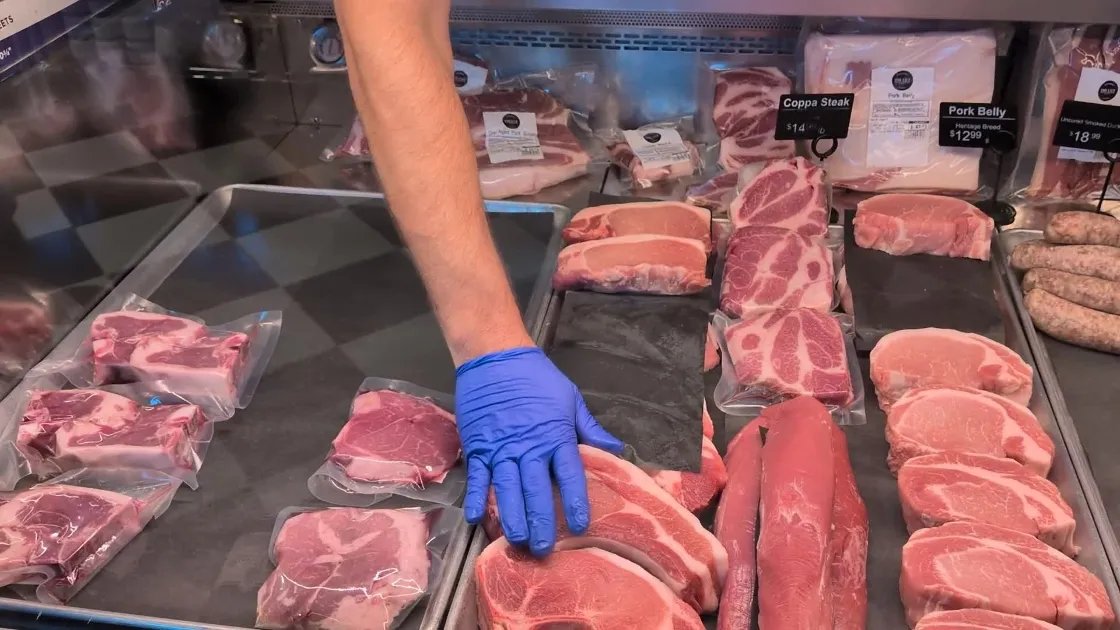
“Seeing prices on our goods go up and up,” says one local entrepreneur, echoing a sentiment shared by small business owners across the country. As the cost of raw materials and logistics continues to climb, the pressure to maintain margins while keeping customers happy has reached a breaking point. Increasingly, the solution isn’t just working harder; it is working smarter through Google’s expanding ecosystem of AI-driven business tools.
The AI Pivot: Streamlining Operations Amid Rising Costs
For many small business owners, the digital divide is being bridged by generative AI. Google has aggressively rolled out new features within Google Business Profile and Performance Max campaigns, designed specifically to help mom-and-pop shops automate their outreach. Instead of hiring expensive marketing agencies, business owners are now leveraging AI to generate search-optimized ad copy, refine product descriptions, and target hyper-local demographics with surgical precision.
By automating the mundane aspects of inventory management and customer engagement, companies are finding ways to absorb some of the inflationary shock. AI tools can now predict demand cycles, helping businesses order stock more efficiently and reducing the waste that often eats into thin profit margins. In an era where every penny counts, the ability to minimize overhead through machine learning has become a survival tactic rather than a luxury.
Data-Driven Insights in a Volatile Economy
Google’s latest updates to Google Analytics 4 (GA4) are also playing a pivotal role. The platform now provides more robust predictive metrics, allowing store owners to anticipate future trends based on historical search intent. When the price of goods rises, customer behavior changes—people become more price-sensitive and search-focused. Google’s latest search algorithms prioritize “helpful content,” which means that small businesses that can effectively articulate their value proposition online are gaining visibility over larger, less personal corporations.
This shift toward data-driven decision-making is critical. Rather than guessing which products will sell, owners are utilizing real-time search data to pivot their inventories. If a specific niche item is seeing a spike in interest, Google’s Merchant Center updates allow businesses to highlight these items instantly across the Google Shopping tab, ensuring they capture the traffic that might otherwise go to major e-commerce platforms.
The Future of Local Commerce
Looking ahead, the intersection of physical storefronts and digital optimization is where the next phase of industry growth lies. Google is doubling down on its commitment to small businesses through its “Google for Small Business” portal, which acts as a centralized dashboard for managing everything from secure payments via Google Pay to location-based marketing via Google Maps.
However, the technology is only one half of the equation. As the tech industry continues to develop more sophisticated tools, the ultimate goal remains the same: helping the local artisan or the neighborhood butcher compete in a globalized economy. While technology cannot directly lower the cost of wholesale goods, it provides the efficiency necessary to keep businesses solvent during turbulent times.
As we move through the remainder of the year, the reliance on AI-infused ecosystems will likely deepen. For the small business owner, the digital transformation is no longer optional. It is the frontline defense against the rising cost of doing business, turning the uncertainty of the current market into a manageable, data-backed strategy for long-term growth.
Disclaimer: This content is auto-generated for informational purposes only.
Source: Read Original News