






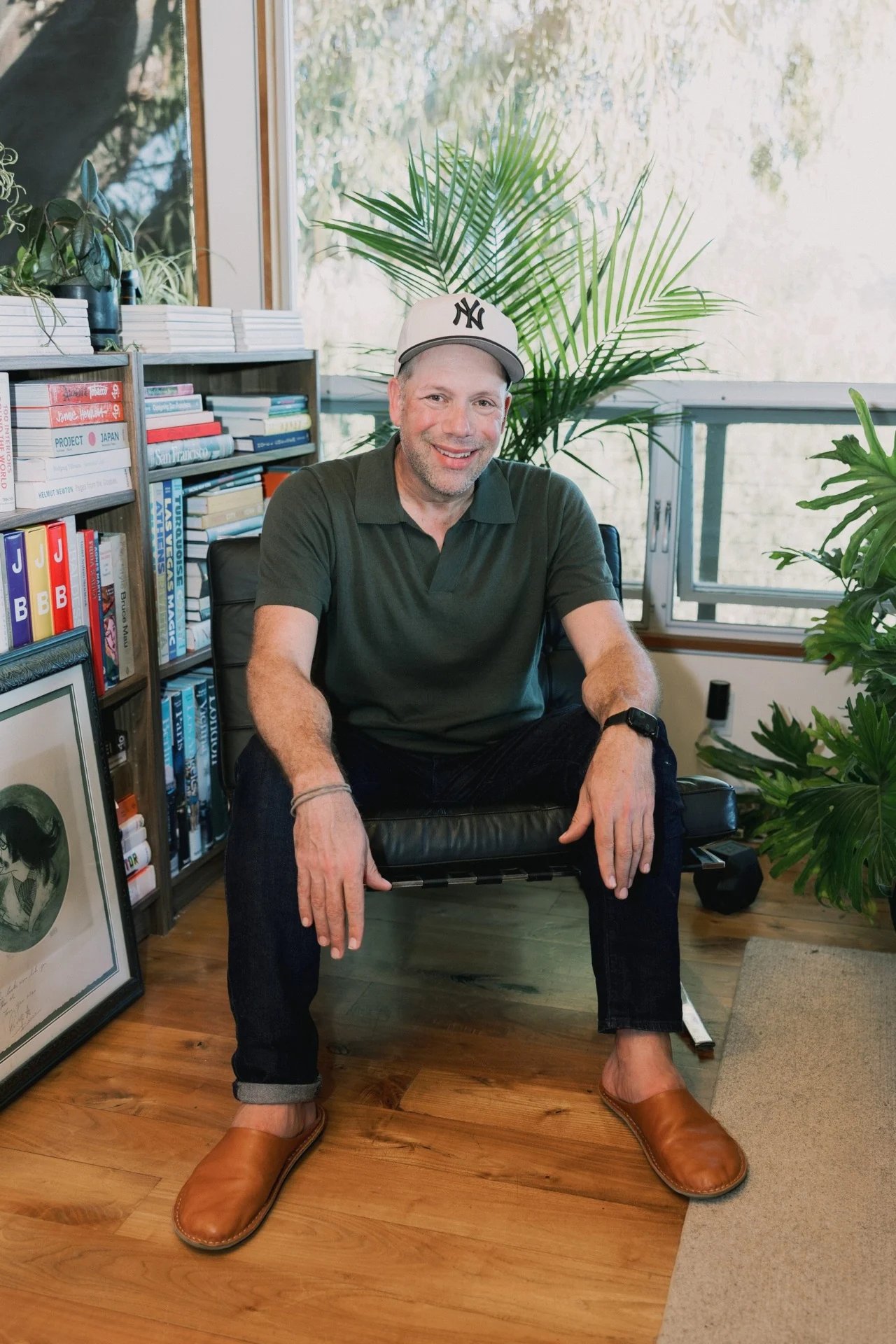
For decades, the high-end private event market has operated in the shadows of the music industry. Often dismissed as “dirty” money or simply kept under strict nondisclosure agreements, the business of booking major touring acts for private corporate retreats, birthdays, and exclusive social galas has quietly become a financial powerhouse. As Jay Siegan, founder and CEO of Jay Siegan Presents (JSP), celebrates 30 years in the business, he is shedding light on how this sector has evolved into a vital lifeline for top-tier artists.
## The Economics of the “Private” Pivot
While touring remains the traditional bread and butter for musicians, the current economic climate—defined by skyrocketing costs for transportation, production, and massive crews—has made the traditional arena tour a precarious venture. Siegan argues that a single private gig can generate the revenue of a full-scale arena performance without the overhead associated with ticketing, marketing, or social media promotion.
For the modern artist, these events are no longer “side gigs.” They represent a high-margin opportunity to secure financial stability without the logistical exhaustion of a months-long global tour. By eliminating the middleman costs and the unpredictability of ticket sales, artists can net significant income in a single evening, providing a buffer that allows for more creative freedom in their public projects.
## Tech-Driven Vetting and the “White Glove” Standard
Operating a boutique firm with 20 employees across major hubs like San Francisco, New York, and Los Angeles, Siegan has refined the art of the “pre-qualified” booking. In an industry where trust is currency, his firm acts as a filter for major booking agencies like WME and CAA.
The vetting process is intense. Before an artist is ever approached, JSP ensures the hiring party is financially capable, requiring 50% binders upfront. More importantly, they conduct rigorous ethical background checks. In an era where corporate reputations can be dismantled in seconds by digital association, Siegan’s team vets potential clients to ensure they align with an artist’s values. This includes everything from political leanings to historical conduct, ensuring that the talent feels comfortable and secure before stepping on stage.
## Protecting the Moment in a Connected World
One of the most significant challenges in modern event planning is the ubiquity of smartphone cameras. To combat the risk of unapproved, low-quality footage hitting social media, JSP has embraced integrated tech solutions, most notably Yondr pouches. By requiring guests to secure their devices during performances, they foster an environment where attendees and artists alike can be fully “in the moment.”
This digital discipline serves two purposes: it preserves the sanctity of the private experience—enabling the artist to perform without fear of global viral scrutiny—and it upholds the exclusivity that high-net-worth clients pay for.
## Beyond the Bottom Line: Philanthropy and Legacy
While the profit margins for these events are significant, the impact often extends to the philanthropic sector. Siegan highlights that a substantial portion of his firm’s work involves high-stakes fundraising galas. Over the past three decades, JSP has been involved in events that have helped raise over $100 million for various causes. Frequently, this involves facilitating donations in the artist’s name to their preferred charities, turning a private performance into a vehicle for social good.
As the music industry continues to navigate the complexities of streaming royalties and the high cost of touring, the private event sector stands as a sophisticated, tech-enabled, and highly professionalized alternative. For the elite, it is the ultimate bespoke experience; for the artist, it is an essential pillar of modern financial sustainability.
Disclaimer: This content is auto-generated for informational purposes only.
Source: Read Original News