







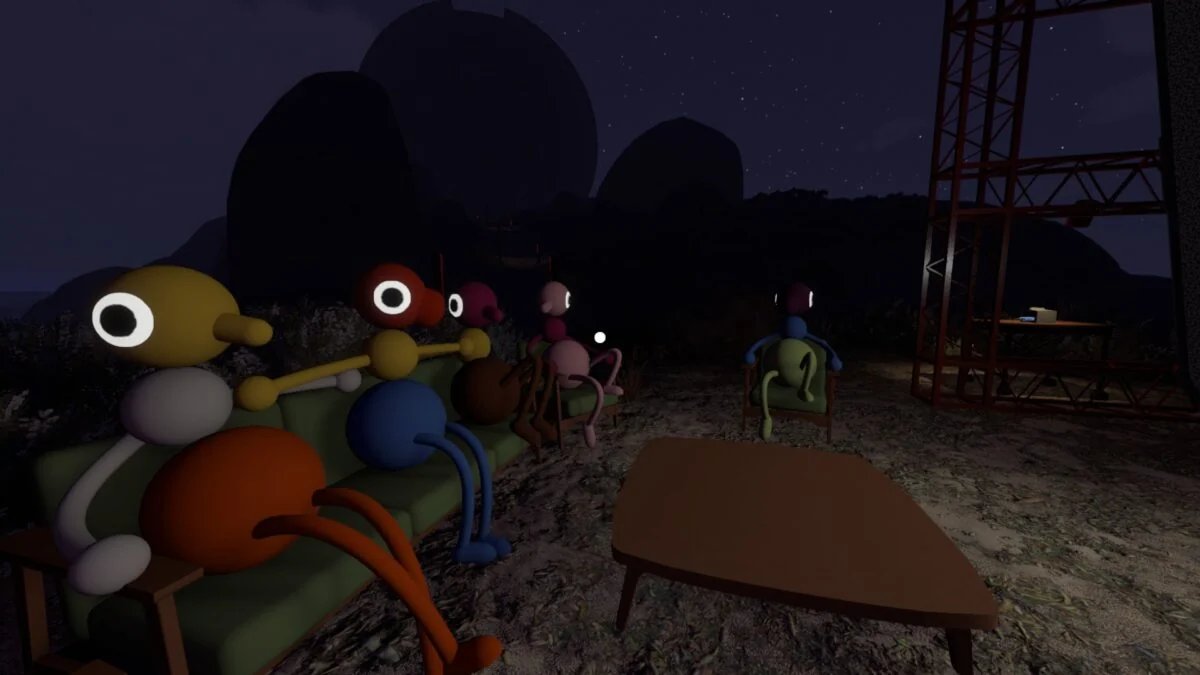
Bridging the Digital and Physical Realms
The boundaries between virtual achievement and physical reward are often restricted to digital trophies or intangible leaderboard rankings. However, the game Big Walk, developed by House House, has implemented a unique engagement model that bridges this gap in a tangible way. By integrating an ARG (Alternate Reality Game) component into the standard progression of the software, the developers have created a persistent link between the game’s internal logic and the user’s physical environment.
The process functions through an intentionally obscured pathway. Players who reach the credits sequence are presented with an entry point—specifically, a URL embedded within the main menu credits—which acts as the catalyst for the final layer of the experience. Upon navigating to this digital destination, users receive instructions that transition the activity from the software platform to a traditional mailing system. This methodology demonstrates how game developers can utilize legacy infrastructure to create high-impact, personal milestones that extend the duration of a product’s lifecycle well beyond the conclusion of the core gameplay.
The Mechanics of Post-Game Engagement
For many titles, the endgame represents a hard stop in development utility. Big Walk deviates from this standard by employing a multi-stage post-game puzzle that requires patience and interaction with external systems. Once a player follows the instructions provided by the game’s credits, they are essentially opting into a physical fulfillment workflow managed by the publisher.
This approach serves as a testament to the efficacy of the “surprise and delight” marketing strategy. Rather than offering an automated digital badge, the developers facilitate the delivery of a physical artifact. In this case, the artifact is a unique, red, non-descript shape adorned with multicolored confetti. By physicalizing the reward, the developers transform an ephemeral digital accomplishment into a tactile keepsake. This creates a lasting material connection between the user and the title, which is significantly more memorable than standard unlockable content.
Technical Challenges and Logistics
Implementing such a feature requires sophisticated logistics and a robust backend to handle physical fulfillment. When a user navigates to the URL and provides their information, the developers must manage a real-world inventory, shipping, and data protection protocol. While the system operates on a “while supplies last” basis, it highlights a shift toward experiential gaming where the software is merely the gateway for a larger interaction.
From a technical perspective, the challenge lies in ensuring that the digital instruction set remains secure and that the physical distribution chain remains functional without disrupting the core gameplay loop. By placing the link within the main menu version of the credits—as clarified by Panic’s Cabel Sasser—the developers ensure that the discovery process is deliberate. This separation prevents accidental access and preserves the reward’s rarity, reinforcing the prestige associated with completing the game’s final, hidden objective.
The Impact of Low-Friction Interaction
The success of this feature lies in its low-friction, high-reward design. The player does not need to install additional modules or interface with complex hardware; they simply follow a link and wait for the post. The result is a surprise that arrives at their doorstep, effectively turning a routine check of the mailbox into a continuation of the game’s narrative.
This model offers significant insight into user retention. By providing a reason for players to return to the menu or investigate external resources after completing the content, House House has cultivated a community that remains invested months after the primary experience. It underscores the potential for developers to create persistent brand loyalty through small-scale, high-value physical rewards that feel personal and handcrafted, rather than mass-produced.
Sustainability and Future Implications
While the “while supplies last” caveat acknowledges the limitation of physical resources, the core concept establishes a framework that other indie and AAA studios could potentially adapt. The cost-to-engagement ratio of sending small, custom-made items can be substantial, but the resulting social amplification—as seen in player discussions and documentation—provides a clear return on investment in the form of sustained community interest.
As the industry continues to explore hybrid reality, the integration of physical items into digital progression paths provides a compelling way to reward dedication. For those who completed Big Walk, the red shape is not merely a piece of plastic; it is an artifact of the time spent within the game’s environment. The ability to sew such an item onto clothing or display it in a physical space provides a sense of finality and ownership that digital assets frequently fail to provide, marking an interesting evolution in how game developers might handle “the end” of a player’s journey in the future.
Disclaimer: This content is auto-generated for informational purposes only.
Source: Read Original News