







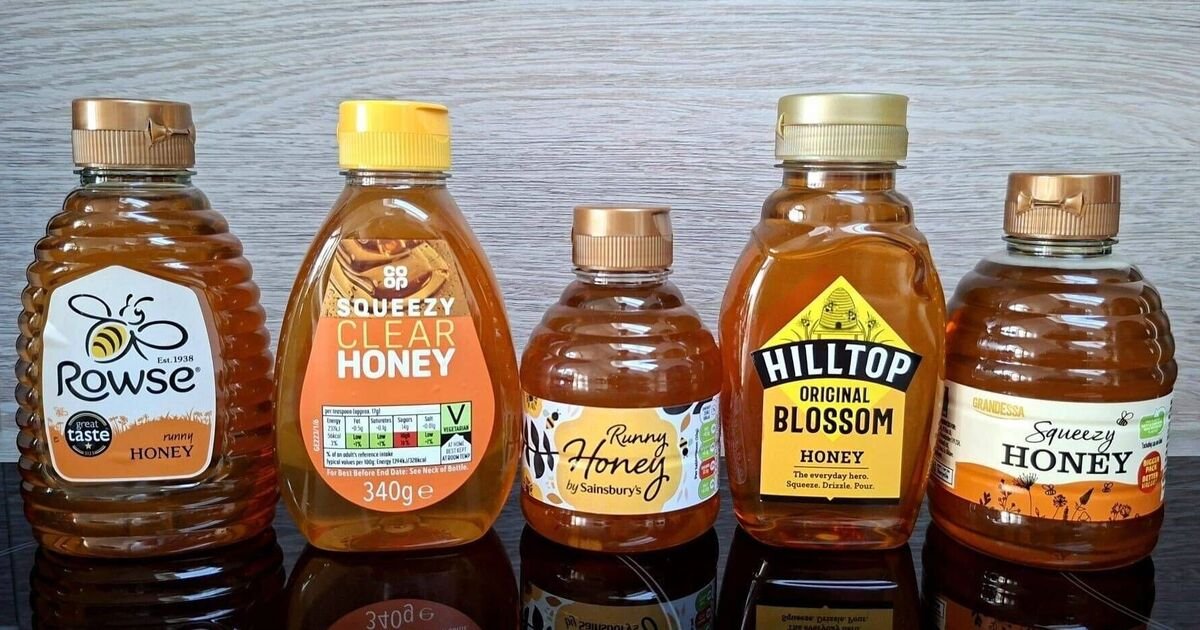
Honey is a staple in many kitchens, perfect for drizzling over warm porridge, stirring into morning tea, or spreading across a slice of toast. For years, I was a creature of habit, routinely grabbing the most budget-friendly squeezy bottle from the supermarket shelf for about £1.50. However, a recent experiment with a jar of locally sourced honey, which cost significantly more, opened my eyes. The difference was startling; the local product had a deep, floral complexity and a subtle sweetness that made my usual supermarket brand taste almost artificial by comparison.
This experience led me to investigate the quality of what we buy. With reports surfacing about concerns over global honey authenticity, I decided to put several popular supermarket varieties to the test, comparing taste, value, and labelling transparency.
The Importance of Reading Labels
When shopping for honey, it is easy to assume that a bottle labeled as pure honey is exactly that. However, the industry has faced scrutiny regarding the purity of blended products. By law, true honey should contain no added ingredients, and its natural enzymes and pollen should not be stripped away during processing.
As I examined the bottles for my test, the labelling told a significant story. Many of the cheaper, mass-market brands simply state “a blend of non-EU honeys,” which offers very little information about where the product truly originated or how it was processed. If you are looking for quality, start by looking for single-origin products. Knowing exactly where your honey comes from often ensures a higher standard of production and a much richer flavor profile.
Finding the Best Supermarket Selection
I selected five different honeys to taste, ranging from premium-priced brands to the lowest-cost store-brand versions. The testing process was simple: I sampled a small spoonful of each to compare the texture, the intensity of the sweetness, and the presence of any distinct floral notes.
The results were revealing. Hilltop’s Honey Blossom Honey was the standout performer. It offered a clean, fragrant taste that felt authentic and fresh. Unlike some of its competitors, it didn’t leave a cloying, syrupy aftertaste. It felt more aligned with the artisanal quality of the local honey I had previously purchased.
Co-op’s Squeezy Clear Honey was another pleasant discovery. While it was a bit sweeter than the Hilltop variety, it maintained a delicate floral character that felt miles ahead of the most basic store brands. It is a fantastic choice if you want a reliable, daily-use honey that won’t break the bank.
When Cheaper Isn’t Better
At the other end of the scale were the entry-level options. While the low price points of certain supermarket own-brand honeys are tempting, the quality gap is noticeable. During my taste test, the cheaper jars were often overwhelmingly sugary. One particular brand tasted so much like golden syrup that it lacked the nuanced earthy or floral notes I expect from real honey.
Furthermore, these budget jars often provide the least information regarding their source. When a product is reduced to a generic label without origin details, it is difficult to feel confident about the harvesting methods. My advice? If the primary flavor note is simply “sugar,” it is likely time to switch to a more authentic, transparent brand.
Elevating Your Daily Ritual
It is easy to view honey as a commodity, but taking the time to pick a better jar can transform your breakfast. If you are on a budget, you do not need to hunt for the most expensive delicatessen item every time; simply moving up one tier to a brand that prioritizes traceability can make a world of difference.
For those who want to support quality, seeking out local beekeepers at weekend markets is still the gold standard. You get the chance to speak with the producers, learn about the local flora, and enjoy a product that is as fresh as it gets. If that is not possible, prioritize single-origin bottles on the shelf. Your taste buds—and your toast—will certainly thank you for the upgrade.
Disclaimer: This content is auto-generated for informational purposes only.
Source: Read Original News